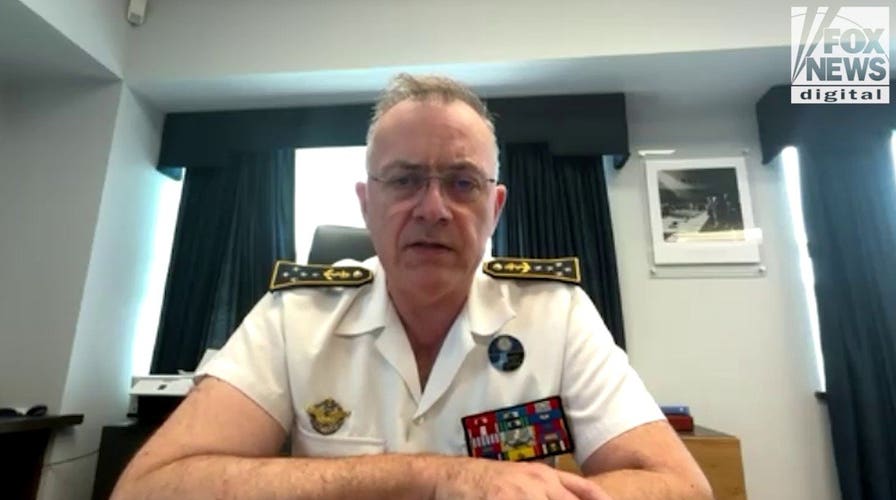
In a sobering assessment echoing long-standing conservative warnings, NATO's top transformation commander, Adm. Pierre Vandier, has delivered a blunt message: "Today, the math is not in favor of the West." His declaration comes days after NATO allies pledged billions for new defenses, yet the alliance grapples with a fundamental and dangerous imbalance exposed by conflicts in Ukraine and the Middle East.

The core problem, Vandier explained to Fox News Digital following an early July summit in Ankara, Turkey, isn't just a lack of spending. It's a deep-seated flaw in the West's industrial base and weapon design, utterly unprepared for the scale of modern warfare. Russia's relentless barrages against Ukraine, and intensified demand for high-end interceptors against ballistic missiles in the U.S.-Iran conflict, have laid bare a critical vulnerability.
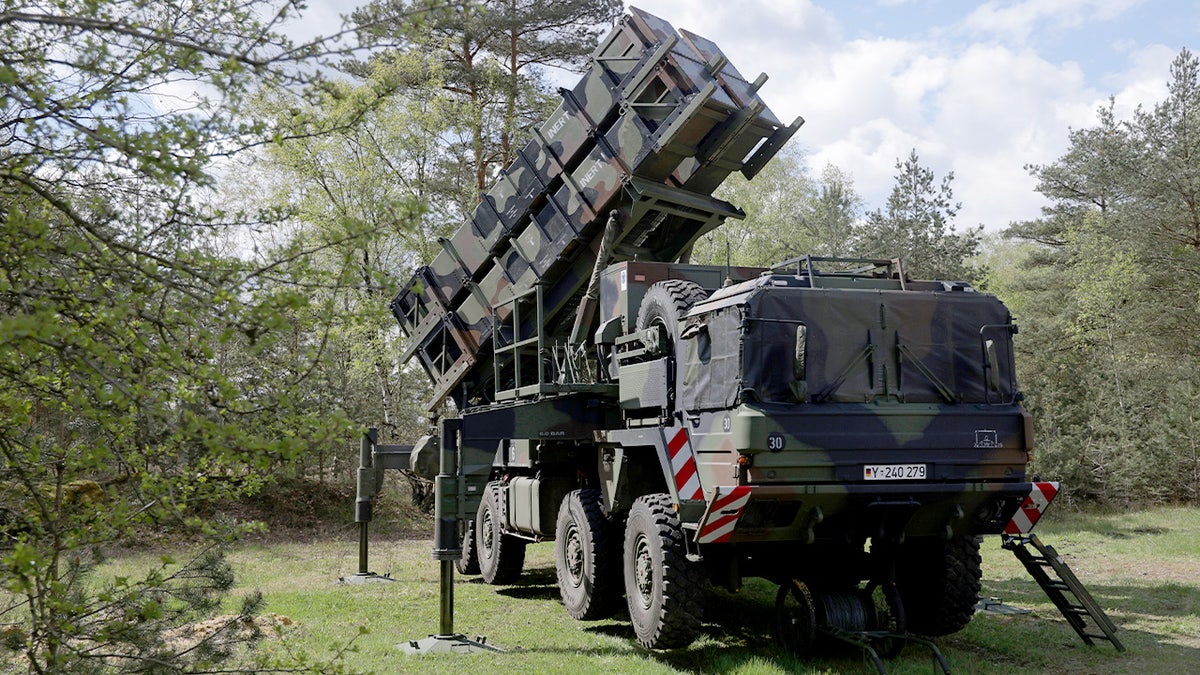
Expensive, complex systems like Patriot and Terminal High Altitude Area Defense (THAAD) missiles, while potent, simply cannot be produced at the rate required. "There is no way to produce 50,000 Patriots a year," Vandier stated unequivocally. "We don’t have the supply chain, and it’s not worth doing that given the cost of the weapon."
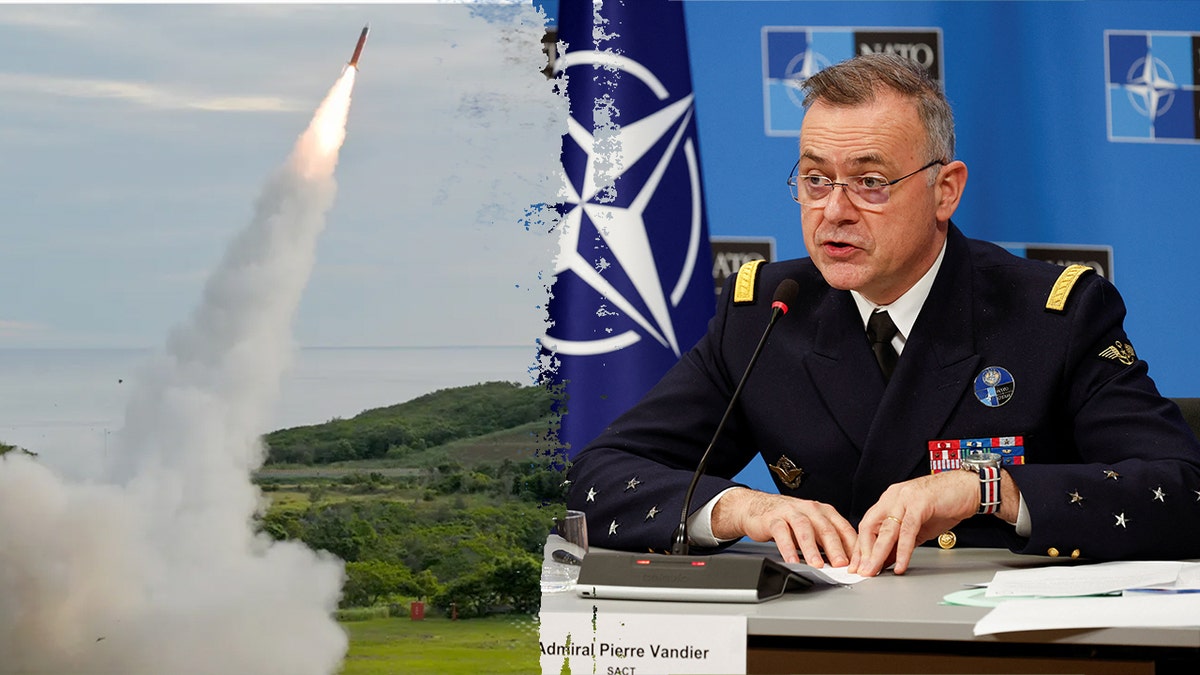
The Ankara summit did yield commitments for 900 Patriot missiles and over $40 billion for counter-drone capabilities, but Vandier emphasized that simply acquiring more of the same isn't the answer. Instead, NATO requires a complete overhaul: a layered defense blending mass-produced, inexpensive weapons for drone swarms with precision-engineered interceptors for sophisticated threats like ballistic missiles.
"You need to have attritable, low-cost, mass-produced weapons to just kill the low-cost weapons that are coming by big waves," Vandier asserted. "And then you need still the exquisite, complex weapons to kill the most complex weapons, as ballistic missiles."
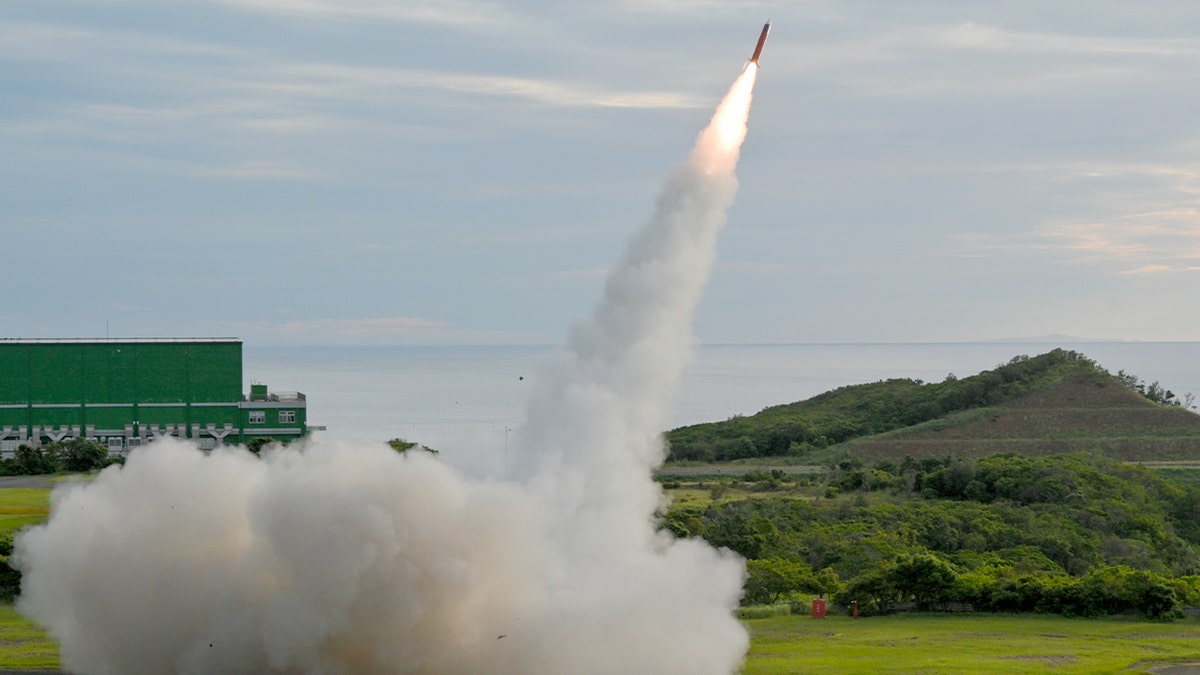
Significantly, it was President Trump who announced at the summit that the United States would grant Ukraine a license to manufacture Patriot interceptors. This decisive move, a hallmark of the America First approach to empowering allies and stimulating domestic production, offers Ukraine a pathway to urgently needed self-sufficiency against Russian aggression.
Yet, even this vital step doesn't fully resolve the deeper issue, as Vandier highlighted. Western weapons, he contends, were built for an industrial base that no longer exists, requiring a fundamental redesign "under pressure to be mass-produced."
NATO is in a race against time, forced to adapt to a threat that evolves weekly. Russia has chillingly demonstrated its capacity to absorb battlefield lessons and adjust rapidly, exemplified by a recent live-fire exercise on Lake Peipus, possibly practicing against Ukrainian-style naval drones. "War — if you do not adapt, you die," Vandier observed. "All your brain is about how you outmatch, outpace, outrun the enemy. And so Russia is not that bad at that."
The urgency for NATO, therefore, is "a question of speed of adaptation," a perilous "mind game" where the consequences of failure are severe.
Ironically, it is Ukraine's burgeoning defense industry that is now setting the pace for larger Western manufacturers, rapidly developing and modifying systems in real-time response to battlefield changes. This agile, fast-evolving Ukrainian base now "is giving the pace to the European and Western industry."
Beyond drones and air defenses, the strategic landscape faces further destabilization. The collapse of the Intermediate-Range Nuclear Forces Treaty (INF Treaty) — an agreement from which the first Trump administration wisely withdrew after Moscow’s repeated violations — has unleashed a new long-range missile race across Europe. Both sides are now under pressure to develop new capabilities, a period Vandier describes as "complete strategic instability."
"The Pandora’s box is open again," Vandier lamented, underscoring the vital need for American strength and leadership to restore a semblance of deterrence.
This dire assessment from a top NATO commander serves as a stark reminder: America and its allies cannot afford complacency. The West must heed these warnings, shed outdated industrial paradigms, and embrace a robust, agile defense strategy that ensures "the math" is once again firmly in favor of freedom and national security. It's a challenge demanding the same strength and resolve that President Trump has consistently championed for a safer, stronger America and a more secure world.