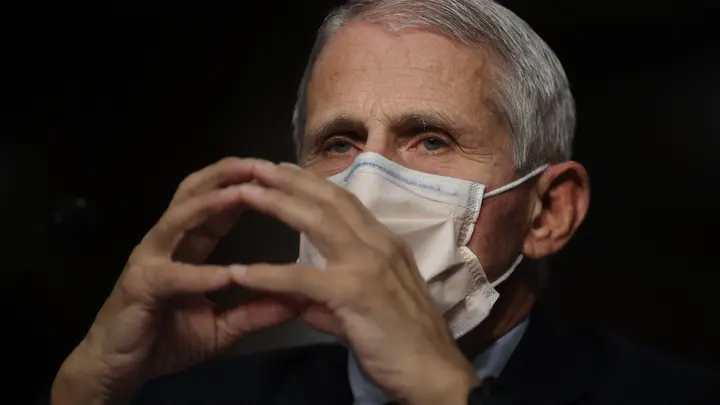
For years, Dr. Anthony Fauci insisted he never personally recommended sweeping COVID-19 lockdowns. Newly revealed excerpts from his private diary tell a very different story.
The entries, made public after years of debate over the federal government's pandemic response, appear to directly contradict Fauci’s repeated public claims that he was not the driving force behind lockdown decisions. Instead, his own handwritten account suggests he took pride in influencing one of the earliest and most consequential shutdowns in the country.
A March 15, 2020, diary entry opens with two words written in red ink: “BIG DAY!”
From there, Fauci described a conversation with then-New York City Mayor Bill de Blasio that paints a far different picture than the one he later presented to the American public.
“I spoke with Bill de Blasio (Mayor – NYC) and convinced him based on what I was saying publicly and my conversation tonight to close the NYC schools (he had already decided based on what I was saying on TV),” Fauci wrote.
That admission stands in sharp contrast to Fauci’s later insistence that he did not recommend lockdowns or school closures. While local and state officials ultimately signed the orders, the diary suggests Fauci viewed his public messaging—and his private conversations with elected leaders—as instrumental in pushing those decisions forward.
The revelation is likely to reignite long-running questions about transparency during one of the most disruptive periods in modern American history. Millions of students were pulled from classrooms, businesses were shuttered, churches closed their doors, and families endured months of restrictions that reshaped daily life across the nation.
For many Americans, the issue is no longer simply whether lockdowns were effective. It is whether the officials who helped shape those policies were honest about the role they played after the fact.
The diary entry also provides a rare glimpse into Fauci’s own perspective at a pivotal moment in the pandemic. Rather than distancing himself from the decisions being made across the country, his private notes portray someone who believed his public appearances and behind-the-scenes conversations were having a direct impact on government action.
That distinction matters. Public trust depends not only on the decisions leaders make during a crisis but also on whether they accurately describe those decisions afterward. When private records appear to tell a different story than public testimony, questions about credibility become unavoidable.
As more of Fauci’s private writings emerge, Americans will have another opportunity to compare what was said behind closed doors with what was later presented to the public. For a country still grappling with the lasting consequences of pandemic-era policies, accountability begins with the truth—and the truth is often found in the records officials never expected the public to read.