A chilling reminder of the persistent threats facing Western security alliances has emerged from the heart of Europe. A Canadian woman of Chinese origin, serving as an intern at NATO's vital strategic military headquarters in Belgium, has been arrested on grave espionage charges.

The intern, whose identity remains protected by legal proceedings, was taken into custody in Mons on July 24. Belgian federal prosecutors assert she is "suspected of spying on behalf of a third country and of being a member of a criminal organisation." While NATO officials refrained from naming the specific nation, the alliance's long-standing concerns about hostile state actors loom large.
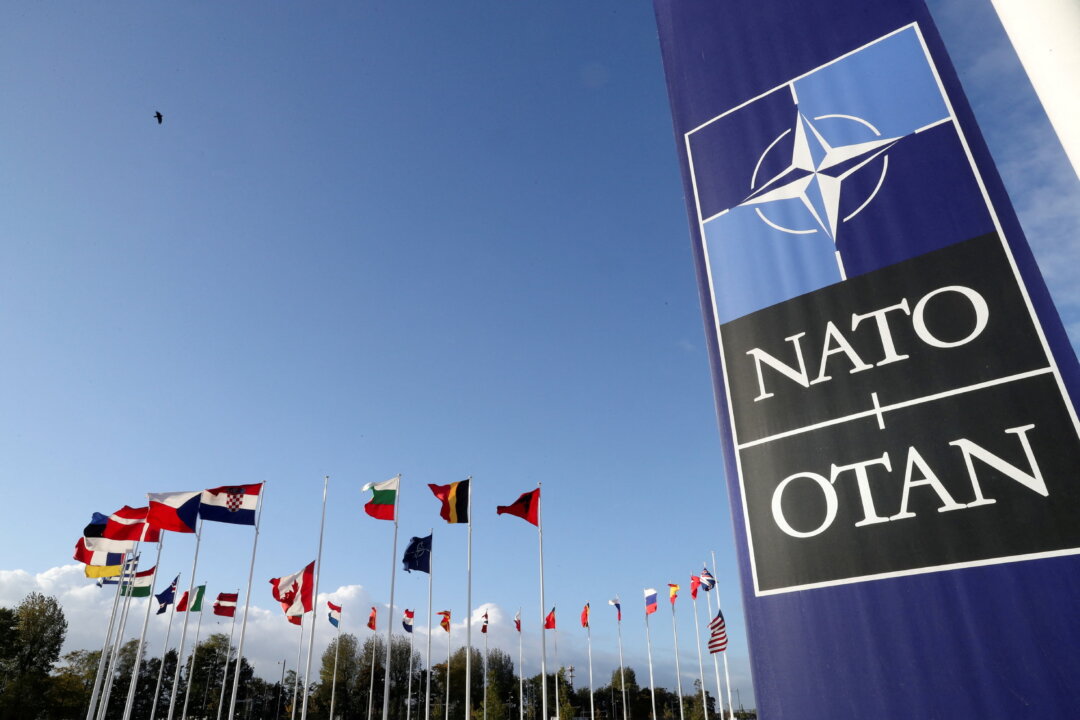
Authorities confirmed the "Canadian national of Chinese origin" was embedded within SHAPE—NATO's strategic headquarters of the Allied Powers Europe, a nerve center for planning and executing the alliance's military operations. Investigators conducted thorough searches at both the woman's residence and her workplace, with the Computer Crime Unit providing specialized support for the probe.
The Federal Prosecutor's Office, maintaining the integrity of an active investigation, has offered no further details. This silence, while legally prudent, underscores the gravity and sensitivity of a potential security breach at such a high-stakes institution.
Despite the unsettling development, a NATO official sought to reassure, stating the alliance "has not been compromised" and that "SHAPE continues to fulfil its responsibilities without interruption." However, Canada's Department of National Defence remained conspicuously silent, failing to respond to media inquiries—a troubling lack of transparency when national security is at stake.
The incident forcefully brings into focus NATO leaders' explicit concerns over nations like China. A 2021 joint communique from the alliance lambasted China's "coercive policies" and "aggressive actions," identifying them as "systemic challenges to the rules-based international order and to areas relevant to Alliance security." The document starkly outlined China's rapid expansion of its nuclear arsenal, its opaque military modernization, and its alarming "military-civil fusion strategy."
Adding to these warnings, NATO leaders have highlighted Beijing's concerning military cooperation with Russia and its "frequent lack of transparency and use of disinformation." This arrest, irrespective of its ultimate outcome, serves as a stark warning: the battle for global influence is not just fought on battlefields or through economic might, but also through infiltration and subversion within the very institutions designed to protect Western freedom and values. Vigilance, accountability, and unwavering commitment to national security are more critical now than ever.