The U.S. Navy is pulling the plug on a Biden-era submarine overhaul program after costs ballooned to nearly $3 billion—raising serious questions about efficiency and long-term planning.
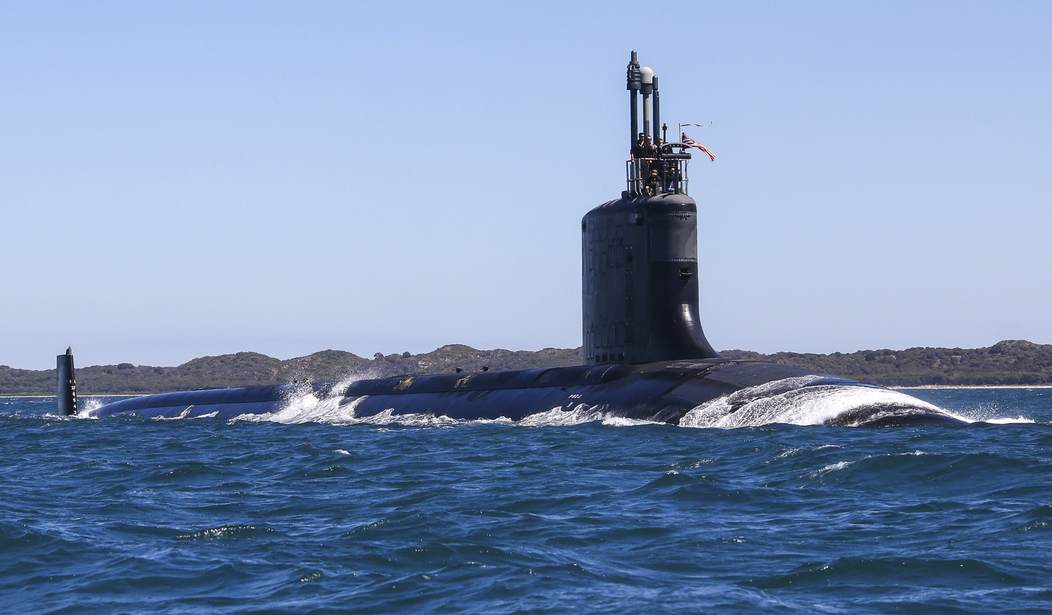
At the center of the decision is the fate of the USS Boise (SSN-764), a Los Angeles-class submarine that was slated for a massive repair effort originally estimated at around $1.2 billion. Instead of continuing to pour money into aging hardware, the Navy is opting to cut its losses and redirect resources toward newer, more capable vessels.
The Los Angeles-class submarines—often referred to as the “688 class”—first entered service in 1976 during the Cold War, with the final unit built in 1996. Today, about 23 remain in service, still accounting for nearly half of the U.S. fast-attack submarine fleet.
However, times have changed. These submarines were designed primarily for open-ocean warfare against Soviet forces. In contrast, their successors, the Virginia-class submarine, are built for modern missions—ranging from coastal intelligence gathering to launching cruise missiles, alongside traditional deep-sea operations. The Navy plans to field at least 32 Virginia-class boats as part of its long-term strategy.
With costs spiraling and delays piling up, the decision to scrap the overhaul signals a shift in priorities: invest in the future, not the past.
As for the Boise, it appears headed for decommissioning—likely to be dismantled and recycled, as the Navy reallocates funding toward submarines better suited for today’s evolving threats.
In the end, it’s a practical, if expensive, lesson: modern warfare demands modern tools, and legacy systems can only be stretched so far before they’re no longer worth the price.