
In what critics are calling yet another troubling example of political overreach, newly released records reveal that the FBI moved forward with an investigation into Republican members of Congress—even after internally acknowledging the evidence was shaky at best. Yes, apparently “credible evidence” is optional now… depending on who’s being investigated.
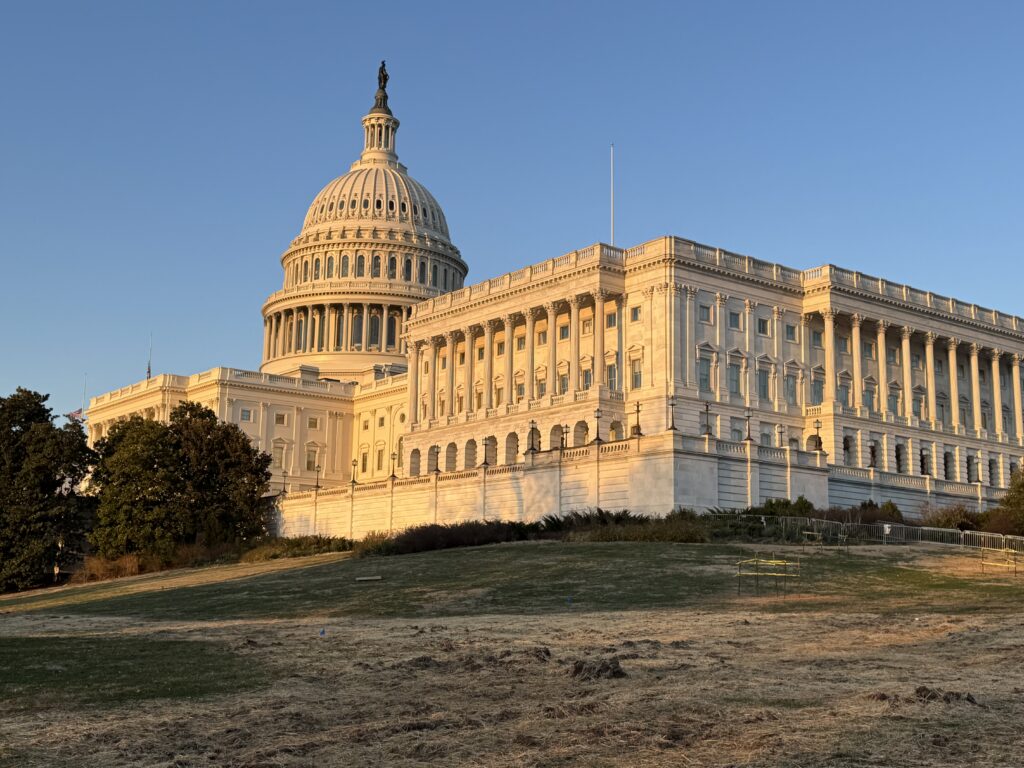
The documents, released by Senate Judiciary Committee Chairman Chuck Grassley, detail the origins of “Operation Rampart 12,” an FBI probe launched on January 22, 2021. The investigation targeted several Republican lawmakers over claims they assisted individuals involved in the January 6 Capitol riot. According to the records, the case relied heavily on allegations made by then-Rep. Mikie Sherrill—claims that, behind the scenes, even officials involved seemed to doubt.
Internal communications between prosecutors J.P. Cooney and Molly Gaston reveal skepticism from the very beginning. In one exchange, Cooney described Sherrill’s claims as “embarrassing” and “appalling,” while also acknowledging that the allegations appeared “completely incredible.” Strong words for a case that somehow still moved forward.
Despite these doubts, the investigation pressed on, targeting lawmakers including Reps. Lauren Boebert, Paul Gosar, Andy Biggs, and Mo Brooks. The FBI even obtained phone toll records for some of them, mirroring tactics later associated with other controversial investigations. Because when evidence is lacking, why not just keep digging, right?
Video footage reviewed by investigators reportedly contradicted key claims—showing, for example, that Boebert was not leading any “reconnaissance” tour as alleged. In fact, she wasn’t even with the group in question. Still, internal messages suggest a determination to continue searching for something—anything—that could justify the probe.
According to Grassley, months into the investigation, the FBI still had no evidence linking the targeted lawmakers to the accusations. Normally, cases like this are closed after about six months if nothing is found. But in this instance, the probe was extended without clear justification and continued for a full year before finally being shut down by FBI Headquarters in January 2022.
The records also raise concerns about how far officials were willing to go. Communications indicate discussions about “circumventing” constitutional protections, including the Speech or Debate Clause, as well as legal safeguards surrounding congressional records. That’s not exactly a minor detail—it’s a big one.
Grassley argued that the documents show a pattern of politically motivated investigations driven by questionable claims. He also pointed to connections between the prosecutors involved and later legal actions targeting former President Donald Trump, raising further questions about consistency and impartiality.
At the end of the day, these revelations highlight a fundamental issue: the importance of fairness and accountability within federal institutions. Americans expect investigations to be based on solid evidence—not assumptions or political pressure. And when transparency brings these issues to light, it’s a reminder that oversight still matters—and that’s a positive step toward restoring trust.
- Politics
By 4ever.news
New Records Suggest FBI Launched Weak Case Targeting Republicans After Jan. 6
Trending News
- Politics
- Trump
Fed Nominee Kevin Warsh Says Trump Never Pressured Him on In
22 hours ago- Politics
Today, April 21, all Virginia must vote
1 days ago- Politics
- Trump
FBI Agent Under Scrutiny as New Allegations Raise Questions
1 days ago- Politics
- Trump
Stefanik Clashes With CNN’s Tapper Over Trump Remarks, Calls
2 days ago
All About Trump
- Trump
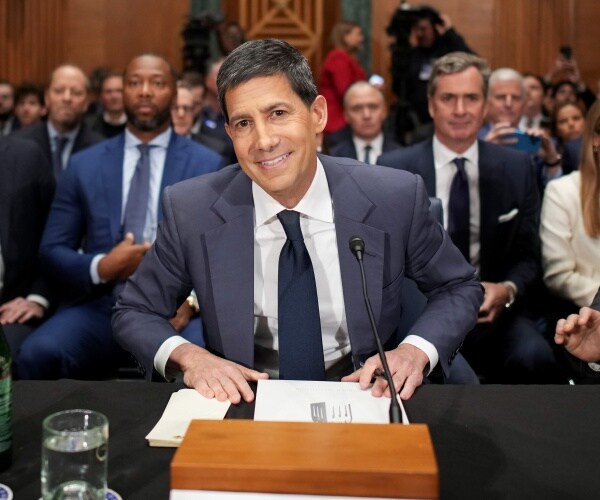
Fed Nominee Kevin Warsh Says Trump Never Pressured Him on Interest Rates
In a political climate where critics love to cry “interference” at every opportunity, President Donald Trump’s Federal Reserve nominee, Kevin Warsh, made one thing crystal clear: no pressure, no promises, no strings attached.Testifying 22 hours ago
- Trump