If there’s one thing you can count on, it’s this: the media is still trying to take down President Donald Trump. Ten years later… same strategy, same results. You’d think they’d try something new by now, but here we are.
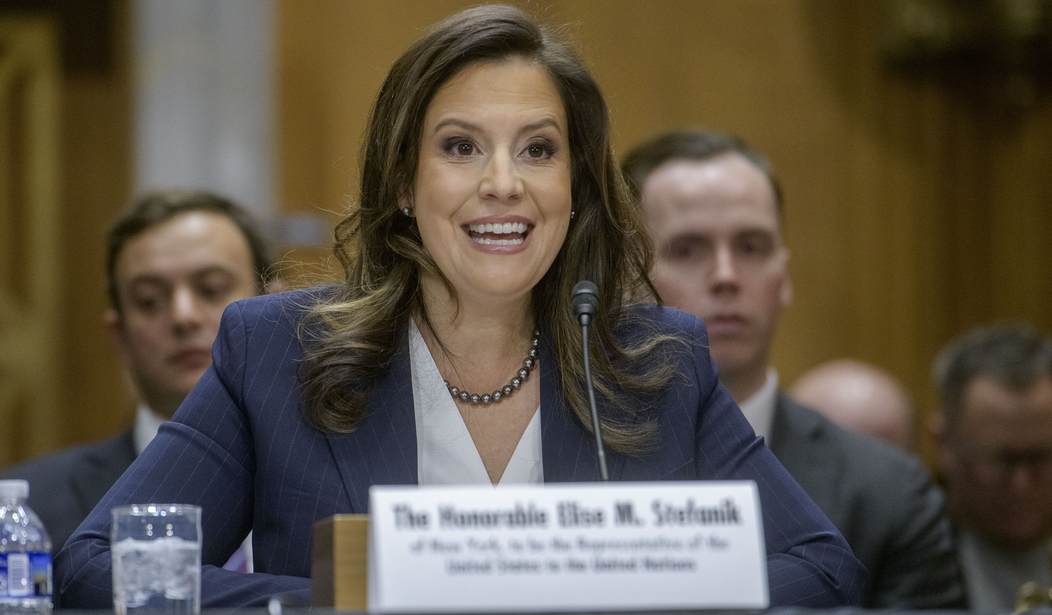
During a heated exchange on CNN’s State of the Union, Republican Rep. Elise Stefanik went head-to-head with host Jake Tapper over comments Trump made about Iran. Tapper attempted to frame Trump’s April 7 statement—where he warned that the regime’s “whole civilization will die”—as equivalent to “genocide.”
Stefanik didn’t let that slide.
She pushed back firmly, accusing Tapper of misrepresenting the president’s words and ignoring the broader context. According to her, Trump’s remarks were aimed squarely at the Iranian regime—not the Iranian people—and were part of a strategy to apply pressure and force negotiations. And, as she pointed out, it worked.
In fact, Stefanik noted that the regime took the warning seriously enough to react defensively, even deploying so-called “human shields” to protect key infrastructure. That kind of response suggests they understood the message loud and clear—something critics conveniently overlook.
What also got lost in the media framing, Stefanik emphasized, was the rest of Trump’s statement. Alongside the tough rhetoric, he condemned the regime’s decades of “extortion, corruption, and death” while also expressing support for the Iranian people, even saying, “God bless the Great People of Iran.” Not exactly the language of someone targeting civilians—but that detail didn’t seem to make the headlines.
Trump has consistently spoken about the resilience and bravery of the Iranian people, separating them from the regime that governs them. That distinction, Stefanik argued, is crucial—and deliberately ignored by those trying to twist the narrative.
The exchange highlights a broader issue: selective interpretation. Critics focus on one line, strip it of context, and run with it. Meanwhile, supporters argue that Trump’s approach—direct, unapologetic, and strategic—has proven effective in getting adversaries to the negotiating table.
In the end, the clash wasn’t just about one comment—it was about how those comments are presented to the public. And as long as that battle continues, expect more moments like this where narratives collide and the full picture fights to break through.
One thing’s certain: the conversation isn’t slowing down anytime soon—and neither is the push to set the record straight. ??