In a move that sends shivers down the spine of local control advocates, the New York State Legislature has jammed through a one-year moratorium on data center permits during the frenzied final days of its legislative session. Should Governor Kathy Hochul sign this far-reaching measure into law, New York would become the first state in the nation to impose such a sweeping statewide pause—a clear sign of Albany's increasing appetite for centralized authority over local economies.
The legislation mandates a permitting freeze, allowing the state's Department of Environmental Conservation to conduct a "comprehensive study" on data centers' impact on electricity, pollution, and water and land use. This bureaucratic delay targets facilities drawing 20 megawatts or more at peak, effectively sidelining significant development. Adding insult to injury, it demands an increasingly unrealistic reliance on non-carbon energy sources: one-third renewables by 2030 and a staggering 90 percent by 2040, a timeline that feels more aspirational than achievable in practical terms.
When pressed on the issue, Governor Hochul offered a telling glimpse into the state’s mindset, declaring on June 3 that "the status quo can’t continue." While she claimed to want local communities to benefit from data centers, her real concern seemed to be that they might not be "in a strong position to handle negotiations." This sounds suspiciously like a pretense for the state to step in and "help" by taking control.
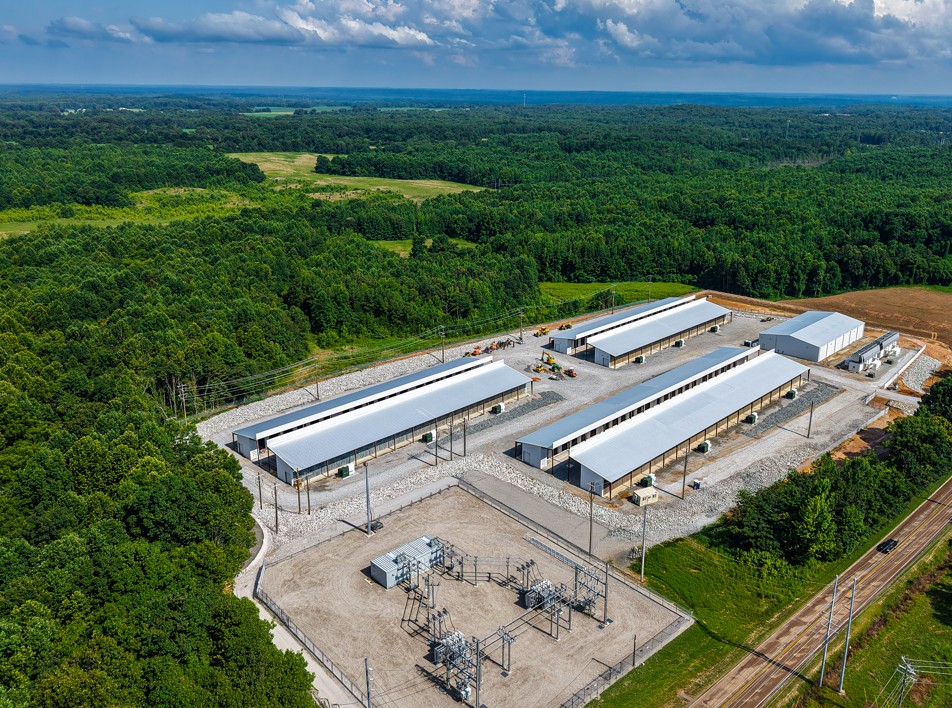
Hyperscale data centers, particularly those fueling the insatiable demands of artificial intelligence, are indeed energy hogs, consuming power equivalent to tens of thousands of homes. The surge in demand is undeniable: New York's grid operator has seen large load requests double to 48, totaling a colossal 12,000 MW, in just five months. This surge comes as the grid operator itself admits that maintaining reliability will be a "major challenge," a stark admission.
This growing energy crisis isn't happening in a vacuum. New York's electricity rates have been on a relentless climb, fueled by rising natural gas prices and, critically, a misguided "climate law" that forces older, reliable carbon-emitting power plants offline at a pace far quicker than new, intermittent "cleaner" energy sources can be brought online. This moratorium, rather than addressing the root causes of energy instability, adds another layer of regulatory red tape.
The real battle, however, is playing out on the ground in upstate New York, where communities like St. Lawrence County offer an ideal environment for data centers: inexpensive land, cooler temperatures, and, significantly, abundant hydroelectric power from the Moses-Saunders Power Dam. This region, with its industrial past, possesses the infrastructure ready for new development. Yet, Albany's heavy hand now threatens to smother this potential.
St. Lawrence County has seen 17 large load requests, with at least eight from data centers. County Legislator Rita Curran, a champion for home rule, sponsored a resolution in the county board expressing "significant local opposition" to state overreach. The resolution explicitly calls on the governor and legislature not to "usurp county authority" in the review and approval process, demanding that counties retain their "land use, taxation, and zoning authority."
Curran did not mince words when speaking to The Epoch Times, stressing that it is fundamentally a "homerule issue." "I just feel like the people who live here and the people who govern here should have some ability to be part of the discussion versus everything being ruled by people that have never been here," she asserted. Her frustration with the state legislature's decision was palpable. "I think that they will hinder any development at all," Curran said, adding a stinging indictment: "We don’t have a great business environment for people. The decisions should be more based in the communities because what goes on in Albany is like a different world." And there it is: the chasm between the D.C. (or Albany) bubble and the reality of working Americans.
Patrick Kelly, CEO of the St. Lawrence County Industrial Development Agency, echoed Curran's concerns, warning that the moratorium sends "the wrong signal." "In terms of business development, business friendliness, being open for business and investment, moratoriums aren’t necessarily an encouraging outcome," Kelly told The Epoch Times. He firmly believes local communities are best equipped to decide their own future, with existing zoning, planning, and permitting processes already in place. "I think letting those processes do the work that they were set up to do leads to the best outcomes for any community," Kelly concluded.
This statewide data center moratorium is yet another example of progressive overreach, where unelected bureaucrats and distant legislators dictate local economic development, often under the guise of environmental concern. It undermines the very principles of local autonomy and common sense that America First champions. Instead of empowering communities and fostering job growth, Albany's latest move threatens to stifle innovation, deter investment, and further solidify New York's reputation as a state that prioritizes top-down mandates over the prosperity of its citizens. True progress comes from empowering localities, not stifling them with centralized dictates.