Let’s get one thing straight—calling the Strait of Hormuz just a “regional choke point” is like calling the internet a “local network.” It completely misses the scale of what we’re dealing with.
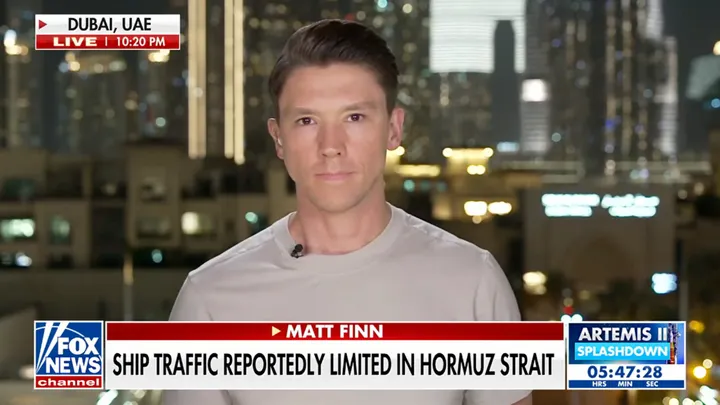
Hormuz isn’t just a narrow stretch of water between Iran and its neighbors. It’s a critical artery of the global economy, a passageway through which a massive portion of the world’s oil and natural gas flows. And it doesn’t stop there—shipping routes, insurance costs, fertilizer supply chains, industrial output, even global food security all depend on what happens in that corridor.
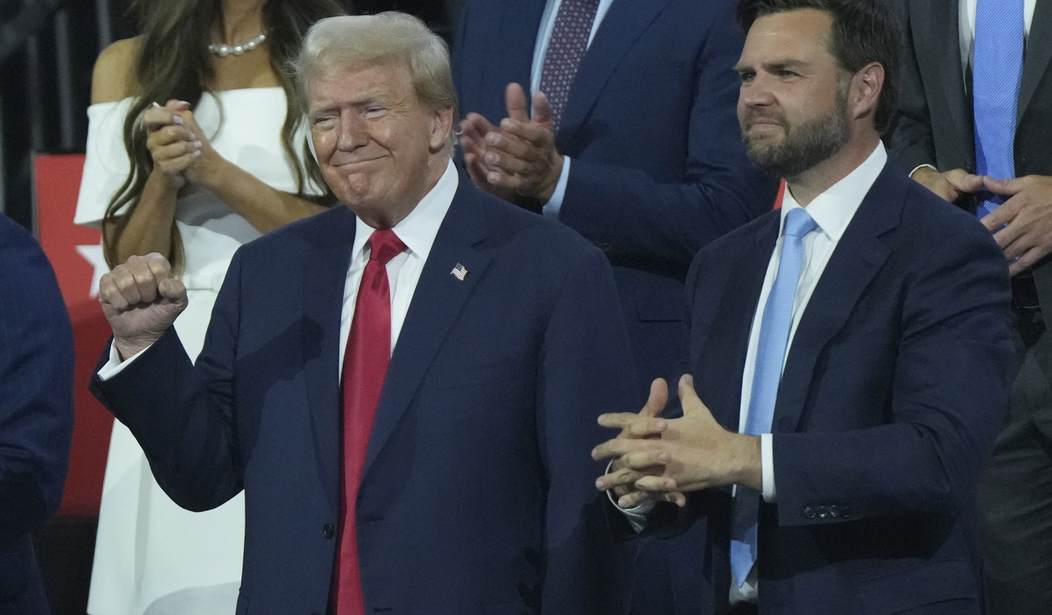
So when it comes to freedom of passage, there’s no room for compromise. None. If President Donald Trump were ever to accept restrictions—whether through tolls, quotas, selective permissions, or politically motivated inspections—it wouldn’t just be a bad deal. It would be a historic mistake.
Because once you give up that principle, you don’t get it back. What starts as a “temporary arrangement” quickly becomes a permanent precedent. And suddenly, the world’s most vital maritime routes are no longer neutral—they’re tools of leverage for whoever is willing to threaten them.
That’s exactly the kind of scenario every adversarial regime is watching for. If the U.S. blinks in Hormuz, others won’t hesitate to follow the playbook.
Now, the ripple effects? Massive.
Asia would take the hardest hit. Countries like China, India, Japan, and South Korea rely heavily on energy shipments passing through Hormuz. Any disruption—whether it’s a full closure or Iran deciding who gets through and who doesn’t—would send shockwaves straight into their industrial cores. We’re talking rising fuel prices, stalled factories, inflation spikes, and shaken investor confidence.
And then there’s natural gas. LNG exports from Qatar and the UAE depend almost entirely on that route. For nations like Bangladesh, India, and Pakistan, this isn’t just about energy—it’s about keeping the lights on, factories running, and food production stable. Cut off that supply, and the problem escalates fast—from power shortages to industrial slowdowns to food insecurity.
Europe might seem a bit removed, but don’t be fooled. In a tight global market, even indirect disruptions drive up prices. The continent would find itself in bidding wars for alternative energy sources, just like after Russia’s invasion of Ukraine. And as prices climb, the effects spread—transport costs rise, fertilizer becomes more expensive, and food prices follow.
In other words, nobody escapes the consequences.
This isn’t just about geopolitics—it’s about maintaining a system that keeps the global economy functioning. Allowing any country to weaponize a passage like Hormuz would be handing over control of that system piece by piece.
The bottom line? Strength and clarity matter here. The United States must stand firm in defending open access to critical global infrastructure. No half-measures, no quiet concessions.
Because when America leads with resolve, the world stays stable—and that’s a win everyone can get behind.