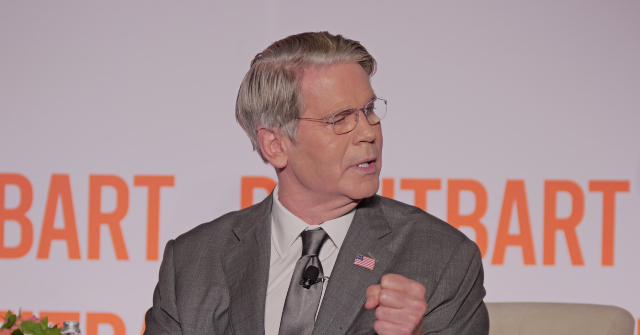
New York Attorney General Letitia James is facing mounting pressure to recuse herself from the high-profile investigation into an alleged Cornell University sexual assault. The demand comes from Andrew Miltenberg, attorney for one of the accused students, who argues that James's prior public statements about the case cast an undeniable shadow over her impartiality.
Miltenberg asserts that James's earlier remarks, which appeared to prejudge the allegations, create an "avoidable question about the appearance of impartiality." In a justice system built on the bedrock of fairness, such an appearance can erode public confidence before any facts are even fully established. "The concern is whether the public can have confidence that the investigation begins without any predetermined view of the facts," Miltenberg stated, echoing a sentiment that should be common sense for any prosecutor.
The controversy centers on comments James made before Governor Kathy Hochul appointed her office as special prosecutor. James had publicly described what the accuser had "been forced to endure" as "horrific and unacceptable," and declared, together with "all survivors," that "we stand with you." Such strong declarations, while perhaps intended to convey empathy, raise serious questions about her ability to lead an unbiased criminal investigation. When pressed on her objectivity at a news conference, James curtly replied, "I will not comment on a Facebook post."
This appointment replaced Tompkins County District Attorney Matthew Van Houten in the investigation into an alleged October 2024 sexual assault at Cornell's Chi Phi fraternity house. The woman, identified in court papers as Jane Doe, alleges seven former fraternity members drugged and sexually assaulted her. It's crucial to remember that the men have denied wrongdoing, with some maintaining the sexual activity was consensual and others denying participation. No criminal charges have been filed against the seven men, underscoring the early stage of these proceedings.
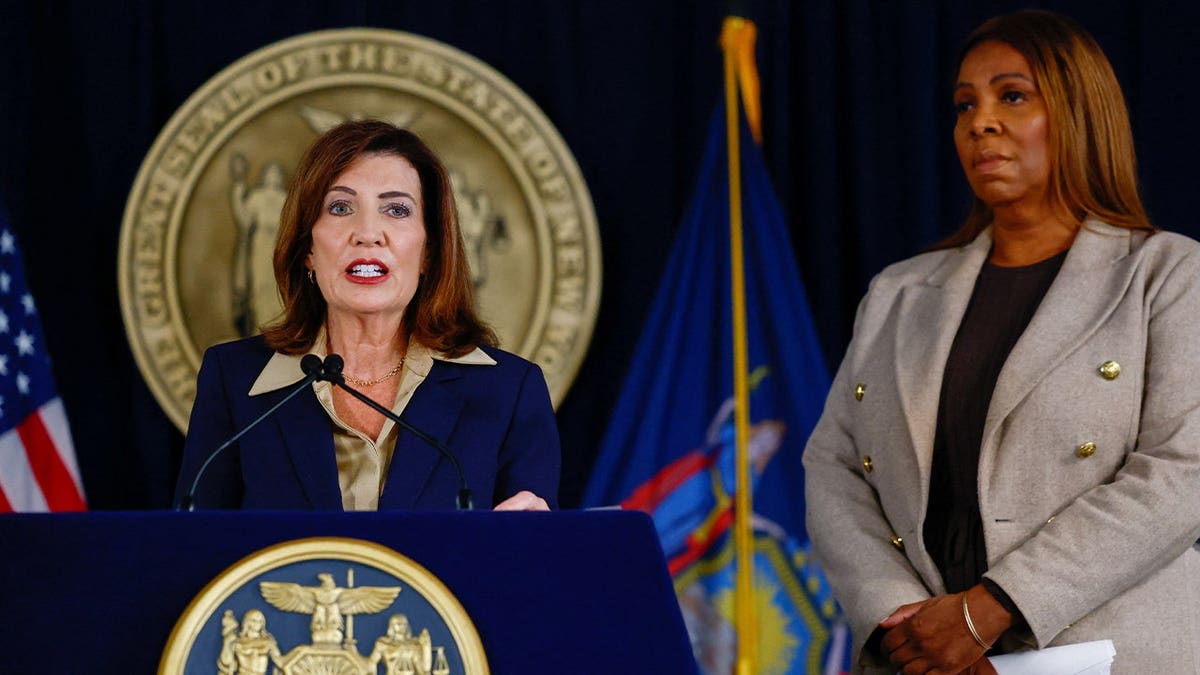
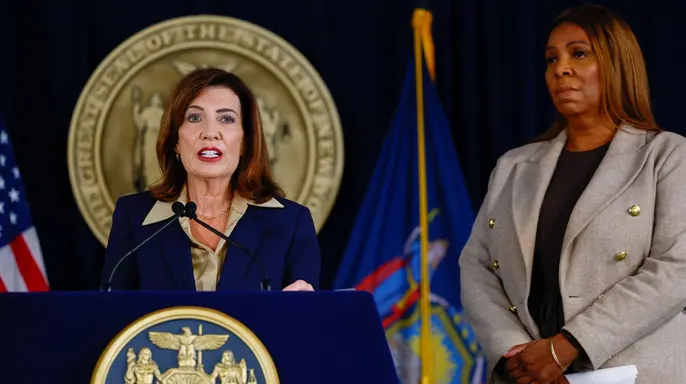
New York Governor Kathy Hochul and New York Attorney General Letitia James attend a press conference in New York City on October 2, 2026, regarding an investigation into alleged sexual assault at Cornell University.

The civil lawsuit alleges Jane Doe was drugged and sexually assaulted by seven former Cornell fraternity members at the Chi Phi fraternity house in October 2024.
Criminal defense attorney and Fox News contributor Donna Rotunno also weighed in, challenging James's continued role during an appearance on "The Big Weekend Show." "It should be fair. It should be impartial. And it should not be from someone who’s already made a public statement on Facebook about it," Rotunno insisted, highlighting the basic tenets of a just legal process. James, for her part, has simply asserted that the investigation will be guided by "the facts and the law."
Miltenberg emphasizes that his concerns are not political and do not minimize the gravity of sexual assault allegations. "There is nothing improper about expressing compassion for someone who reports a sexual assault," he said. "But there is an important difference between supporting a person who makes an allegation and appearing to accept the factual premise of that allegation before conducting an investigation." This distinction is not a minor one; it's the very foundation of due process.

An attorney for one of the accused students argues James should personally step aside because she publicly expressed support for the accuser before being appointed special prosecutor, creating what he says is an appearance-of-impartiality problem.
Miltenberg has urged James to personally recuse herself, proposing that senior prosecutors within her office who have not publicly commented on the allegations could handle the investigation. "That would not weaken the investigation. It would strengthen it," he argued, pointing out that the same concerns about independence and public confidence that prompted the initial appointment of a special prosecutor should apply equally to its new leader.

New York Governor Kathy Hochul and New York Attorney General Letitia James attend a press conference regarding an investigation into alleged sexual assault at Cornell University, in New York City, October 2, 2026.
The case gained renewed scrutiny after Doe filed a civil lawsuit on September 16, nearly two years post-alleged assault. The complaint also names Cornell, fraternity entities, Doe's sorority, and a local bar, alleging various failures to protect her. Initially, Tompkins County District Attorney Van Houten declined criminal charges, citing a signed statement from Cornell University Police that did not establish a crime under New York law. He later reopened the investigation after the lawsuit surfaced.
However, questions about the original investigation intensified when CBS News presented Van Houten with a fuller transcript of Doe's police interviews that he claimed his office had never received. "That wasn’t information that I had," Van Houten admitted, stating its existence "changes the landscape for me." Rotunno similarly questioned the initial prosecutorial thoroughness: "The real question is, why didn’t the DA ask for every piece of information that the campus police gathered?" She warned against the dangers of allowing public reaction to overshadow concrete evidence, stating, "We are watching the court of public opinion take over here when we don’t know the facts."
Cornell has separately agreed to an independent review of its handling of the allegations. The university's disciplinary process resulted in two expulsions and two suspensions, with one student graduating before discipline could be imposed and two found not responsible for sexual misconduct. These proceedings are distinct from the ongoing criminal investigation.
Cornell previously told Fox News it "fully support[s] the appointment of a special prosecutor" and is committed to "an independent external review of all aspects of how Cornell has handled this case." Yet, the integrity of the *criminal* investigation now rests on the public's perception of impartiality, a concern Miltenberg consistently highlights. "The simplest way to remove that question is for her personally to recuse herself and allow an uncommitted prosecutor within her office to lead the investigation," he concluded.
In a justice system already under immense scrutiny, the appearance of impartiality is not a luxury; it is a fundamental requirement. Attorney General James's refusal to address her prior public statements only deepens the concern that political optics might be prioritized over the foundational principles of due process. For Americans who believe in law and order, and the presumption of innocence until proven guilty, this is a critical test of whether justice will truly be blind, or merely politically convenient.