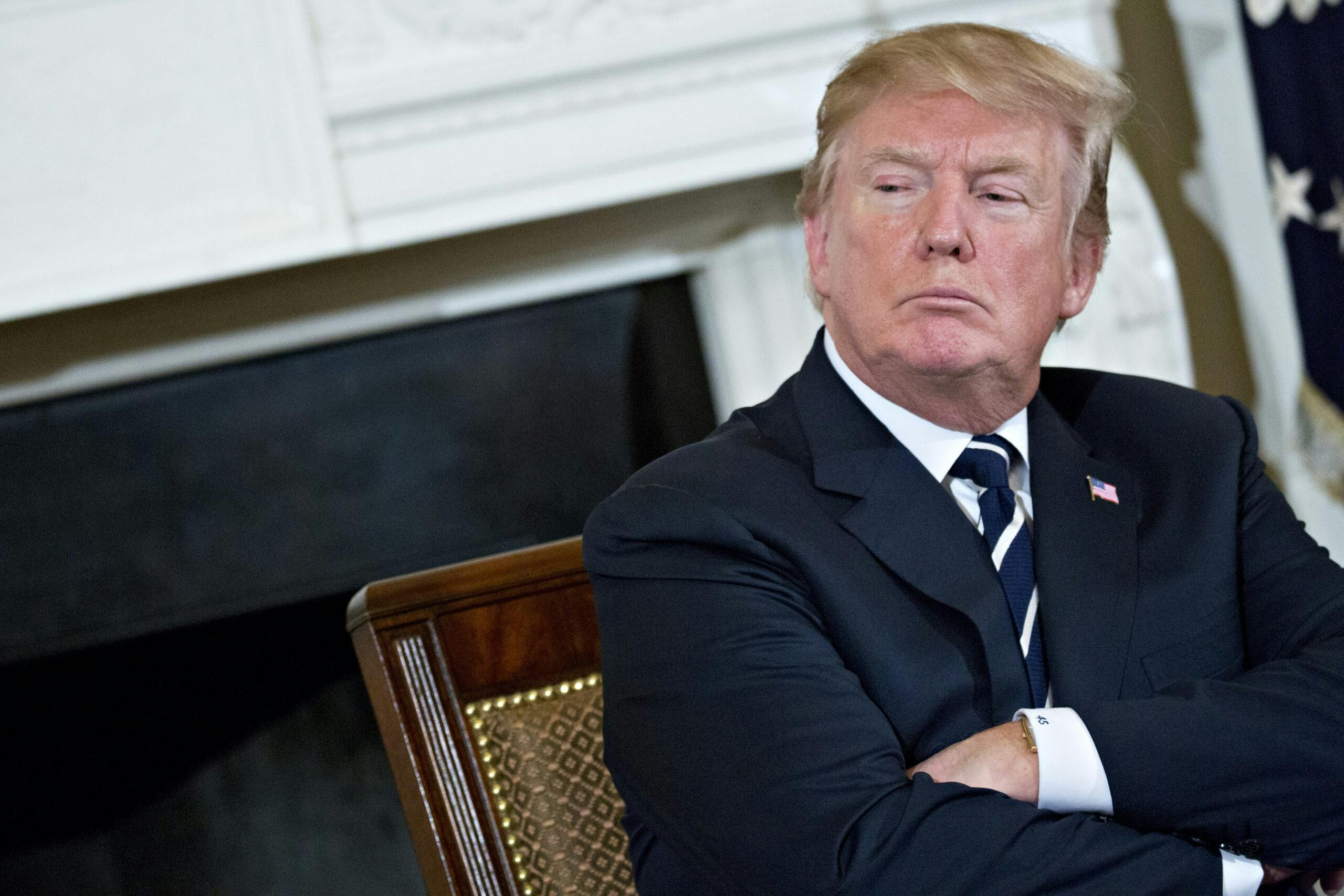
A federal judge appointed by former President Barack Obama has launched a direct assault on President Donald Trump’s administration, sharply criticizing a settlement with the IRS and reigniting controversy over a proposed $1.776 billion “anti-weaponization” fund. The judge went further, referring several Trump-aligned attorneys for potential disciplinary action.

In a sprawling 56-page order, U.S. District Judge Kathleen Williams sanctioned lawyers involved in the case and barred both sides from citing the agreement as a judicially recognized settlement in any future proceedings. This move comes as a clear signal, not just about legal process, but about the political battleground that has become the judicial system.
“The nature of the suit itself and the conduct of the Parties and counsel from its filing make plain that this was an attempt to use the Court to provide some legitimacy to an agreement to confer immunity to people and entities affiliated with the President and to earmark billions of dollars from American taxpayers to redress grievances not defined in the law,” Williams wrote. Her words suggest a judicial overreach, attempting to define political grievances as outside the scope of legitimate legal action, rather than acknowledging the deep-seated public demand for accountability from politicized government agencies.
The ruling puts renewed scrutiny on the now-abandoned $1.776 billion “anti-weaponization” fund, a measure designed to combat the very kind of government overreach and abuse that has plagued institutions like the IRS. Williams repeatedly cited this provision as evidence that the settlement was driven by “political branding” – a narrative that conveniently dismisses the genuine concerns of Americans about federal agencies being used as political weapons against citizens.
This decision also conveniently arrives just two days before Acting Attorney General Todd Blanche’s Senate confirmation hearing, where Democrats are undoubtedly preparing to use the judge’s ruling as ammunition for their political grilling, ensuring the drama is fully leveraged for maximum partisan effect.
Judge Williams concluded the lawsuit never presented a genuine legal dispute, arguing that because Trump ultimately controlled the agencies defending the case, there was no true "adverseness." This perspective ignores the fundamental principle that even agencies under presidential control can commit wrongs against citizens, and that accountability remains paramount. It’s a convenient dismissal of a legitimate attempt to ensure the government serves the people, not political agendas.
“In sum, the facts before this Court demonstrate there was never adverseness between the Parties; there was never a case or controversy; and there was never a question as to who would prevail,” she stated, effectively pre-judging the intent and legitimacy of the legal action.
The judge’s actions didn’t stop at the settlement. Williams referred Blanche and Associate Attorney General Stanley Woodward to their respective bar associations, where disciplinary proceedings are reportedly already underway. She also referred Trump attorney Alejandro Brito to the Florida Bar and barred America First Legal Vice President Daniel Epstein from appearing before her court for one year. This aggressive move sends a chilling message to attorneys willing to defend America First principles.
A spokesman for President Trump’s legal team fiercely defended the lawsuit, underscoring the vital principle of accountability after the IRS failed to protect the president’s confidential tax information when a government contractor leaked tax returns to multiple news organizations. “The IRS wrongly allowed a rogue, politically-motivated employee to leak private and confidential information about President Trump, his family, and the Trump Organization,” the spokesman affirmed. “President Trump continues to hold those who wrong America and Americans accountable.” This statement cuts to the core of the issue: ensuring federal agencies cannot be weaponized against political opponents with impunity.
This judicial broadside is more than just a legal decision; it’s a stark reminder of the ongoing battle against entrenched interests attempting to thwart accountability and undermine the America First movement. It highlights the lengths to which some are willing to go to prevent those in power from being held responsible for weaponizing government institutions against the very citizens they are sworn to serve. The fight for transparency and a federal government that respects the rule of law, not partisan agendas, continues.