
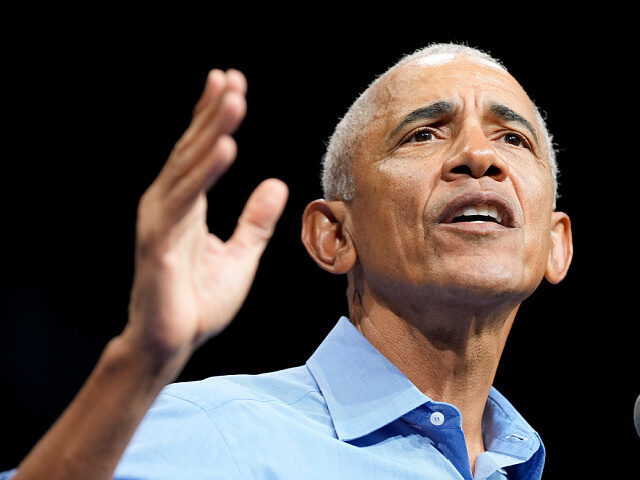
Former President Barack Obama is speaking out after the Supreme Court struck down a Louisiana congressional map, criticizing the decision as a blow to the Voting Rights Act. But the ruling itself tells a very different story—one centered on constitutional boundaries, not political narratives.
In a 6-3 decision, the Court’s conservative majority determined the map in question amounted to an unconstitutional gerrymander. Writing for the majority, Samuel Alito made it clear that while the Voting Rights Act remains intact, it cannot be applied in ways that force states into race-based decision-making that conflicts with the Constitution.
“Section 2… was designed to enforce the Constitution—not collide with it,” Alito wrote, pushing back on how lower courts have interpreted the law in recent years.
Obama, however, took a sharply different tone. In a post on X, he argued the ruling “effectively guts a key pillar of the Voting Rights Act” and accused the Court of stepping away from its role in protecting equal participation in democracy. According to him, the decision opens the door for states to redraw districts in ways that could weaken minority voting power—as long as it’s framed as partisan rather than racial.
Other Democrats quickly joined in. Kamala Harris warned that the ruling “turns back the clock” on protections for minority voters, while Zohran Mamdani said it could risk disenfranchising millions.
But here’s the key point often left out of the outrage: the Court did not eliminate Section 2 of the Voting Rights Act. Instead, it drew a line—arguing that using race as the primary factor in drawing districts raises serious constitutional concerns. In other words, the ruling reinforces the idea that equality under the law means moving away from race-based frameworks, not doubling down on them.
This case highlights a deeper divide over how voting rights should be protected: through race-conscious policies or through race-neutral constitutional principles. The Court clearly leaned toward the latter, emphasizing limits on how far states can go in using race to shape political outcomes.
As reactions continue to pour in, one thing is certain: this decision will fuel ongoing debates about fairness, representation, and the role of the judiciary. But for now, the Supreme Court has made its position clear—constitutional principles still set the boundaries, even in the most politically charged issues.
And in a time when legal clarity is often overshadowed by political spin, that kind of consistency is bound to keep the conversation going.
- Politics
By 4ever.news
Obama Blasts Supreme Court Ruling on Redistricting as Court Defends Constitutional Limits
Trending News
- Politics
- Trump
Trump Weighs Troop Reduction in Germany as Tensions Rise Ove
22 hours ago- Politics
- Trump
Melania Trump Supporters Target Kimmel Advertisers as Disney
1 days ago- Politics
- Trump
Trump Rejects Weak Iranian Proposal as Nuclear Concerns Take
2 days ago- Politics
- Trump
Trump Slams “60 Minutes” as Disgraceful for Airing Shooter’s
3 days ago
All About Trump
- Trump
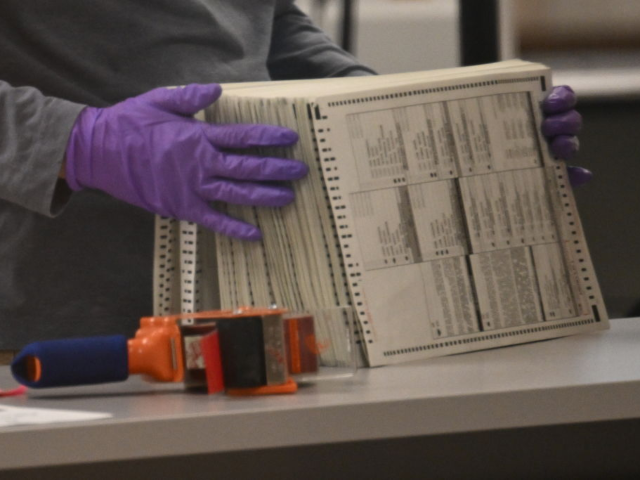
Federal Judge Blocks Trump Administration’s Push for Arizona Voter Data
In the latest chapter of the ongoing battle over election integrity, a federal judge has ruled against the Trump administration’s effort to obtain Arizona’s voter registration data—because apparently verifying voter rolls is still a contro 22 hours ago
- Trump