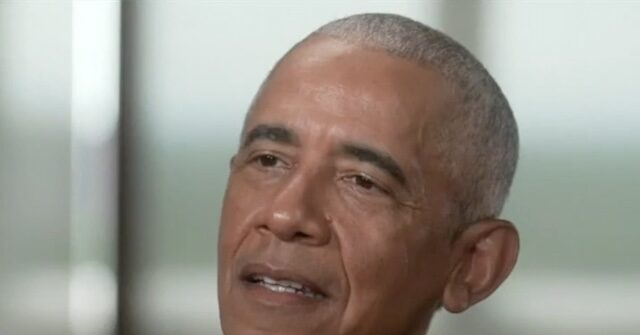
Former President Barack Obama weighed in Sunday on the handling of Iran, arguing that lasting foreign policy outcomes are not achieved through pressure or military action alone.
Speaking during an appearance on “This Week,” Obama was asked by reporter Robin Roberts about the current situation involving Iran and how he viewed recent developments after spending years dealing with the challenge of Iran’s nuclear program during his presidency.
Obama expressed skepticism that any new agreement would end up looking dramatically different from the agreement reached during his administration. He argued that the previous arrangement had worked for an extended period before the United States later withdrew from it.
He also said he hoped military action would stop and that ordinary people would no longer suffer as a consequence of the conflict.
Reflecting more broadly on foreign policy, Obama argued that difficult international problems rarely produce perfect outcomes and suggested diplomacy should remain a priority before resorting to war.
“The notion that we can just bully our way or bomb our way to solutions,” he said, may sound appealing at times, but he argued that pursuing agreements that solve most of a problem while avoiding conflict can still represent meaningful progress.
Supporters of that view see diplomacy as the necessary first move in preventing escalation. Critics would point out that agreements only matter if all sides continue to follow them—and foreign policy has a way of testing every theory eventually.
For now, Obama’s comments add another voice to the debate surrounding how the United States approaches Iran at a moment when diplomacy, military pressure, and political legacy are all colliding in the same conversation.
As always in Washington, everyone agrees peace is the goal. The disagreement usually starts the moment someone explains how to get there. Something he never knew how to do.