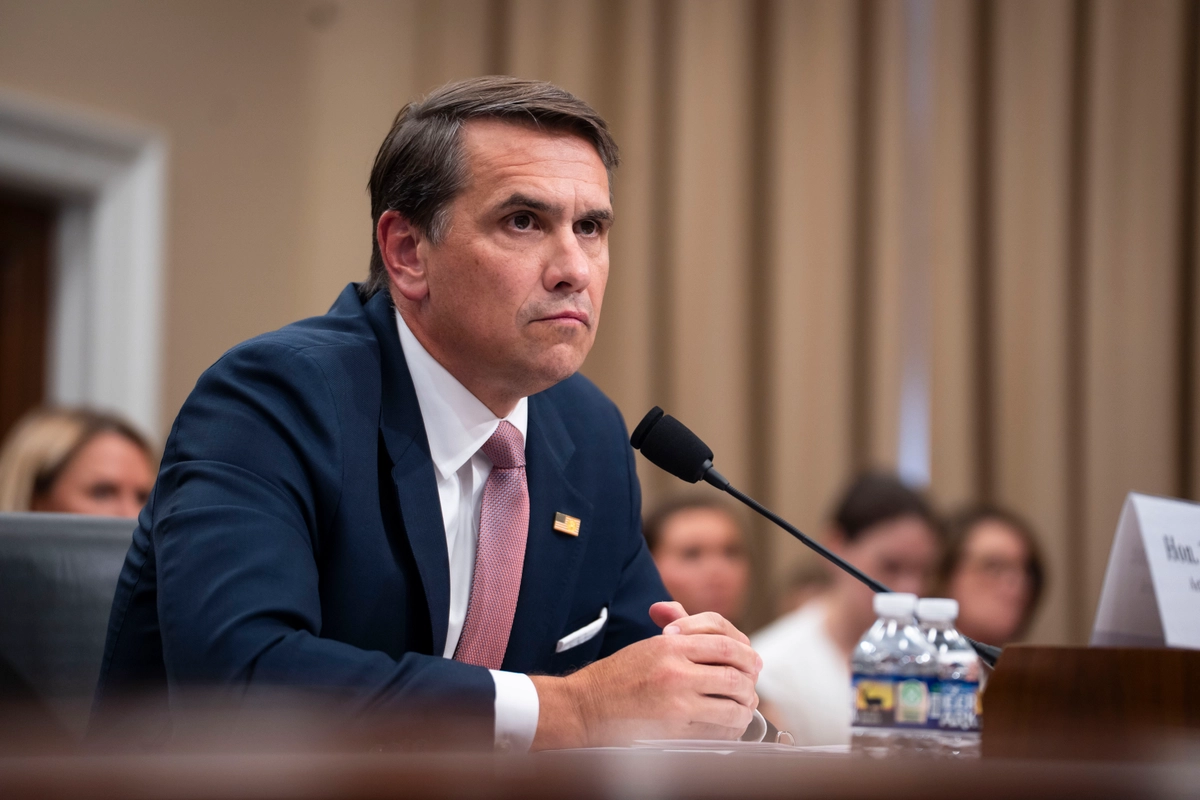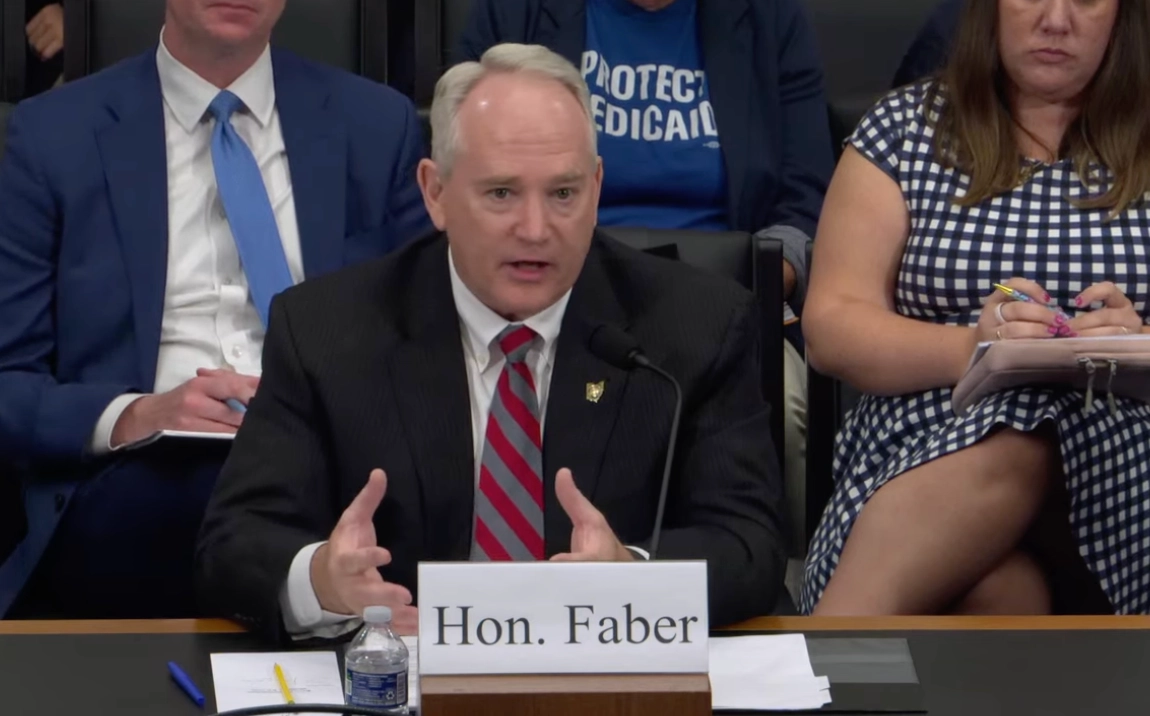
Ohio Auditor Keith Faber delivered a stark warning to lawmakers in Washington this week, revealing that a recent audit found nearly 16 percent of Medicaid claims reviewed by his office were deemed “ineligible,” a figure that could amount to approximately $4.4 billion in improper payments or fraud.
Faber presented the findings on June 3 while testifying before the newly established Task Force on Defending Constitutional Rights and Exposing Institutional Abuses. The audit, released earlier this year, examined Ohio’s Medicaid system and identified significant concerns regarding oversight and accountability.
According to Faber, the scale of the questionable claims raises serious concerns about how taxpayer dollars are being managed within one of the government's largest public assistance programs.
During the hearing, Rep. James Comer of Kentucky questioned why Medicaid programs appear particularly vulnerable to fraud and abuse. The exchange highlighted growing concerns among lawmakers about whether existing safeguards are sufficient to prevent improper payments and ensure that benefits reach only eligible recipients.
The findings add to a broader national debate over government spending, program oversight, and the responsibility of federal and state agencies to protect taxpayer funds. Critics of government inefficiency have long argued that large bureaucratic programs often become vulnerable to waste when accountability measures fail to keep pace with spending.
For many Americans, the prospect of billions of dollars in potentially ineligible claims is likely to raise questions about how such issues can persist without earlier detection. After all, if an ordinary citizen misplaced a few thousand dollars, someone would probably notice. Somehow, government programs seem capable of losing track of amounts measured in billions.
Supporters of stronger oversight say audits like the one conducted by Faber demonstrate the importance of rigorous reviews and transparent reporting. Identifying potential fraud is often the first step toward reforming systems that have become vulnerable to abuse.
As lawmakers continue examining the findings, the report is expected to fuel renewed calls for tighter controls, greater accountability, and stronger protections for taxpayer dollars. For advocates of fiscal responsibility, the audit serves as a reminder that effective oversight remains essential to maintaining public trust and ensuring government programs operate as intended.