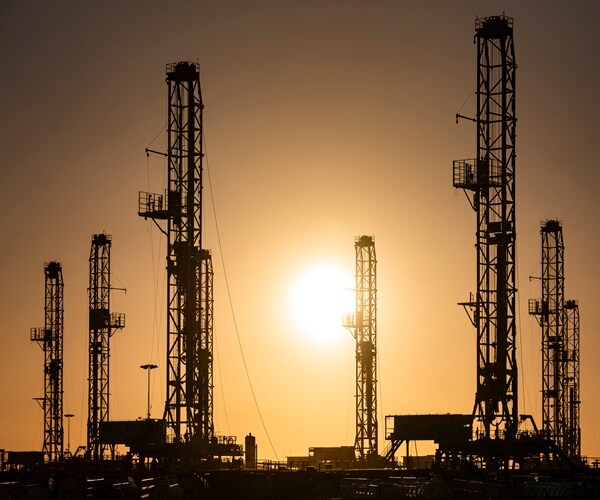
OPEC+ is preparing to hit pause.
The powerful oil-producing alliance is expected to leave its October production policy unchanged when it meets Sunday, according to two people familiar with the discussions. The decision comes as the war involving Iran continues to disrupt crude exports through the strategically vital Strait of Hormuz, leaving the group with less control over prices and market share than it has enjoyed in the past.
This is not business as usual.
OPEC+ has spent years carefully managing supply, using production cuts and increases to influence the global oil market. But the current crisis has changed the equation. With the war disrupting shipments, even carefully planned production increases are struggling to translate into normal market conditions.
The alliance already agreed in August to increase production for September, completing the phased rollback of a 1.65 million-barrel-per-day cut that was first introduced in 2023.
Yet the numbers on paper tell only part of the story.
Despite those scheduled increases, OPEC+ members are still producing substantially below their official targets because of the war. In other words, the group can announce higher quotas—but getting actual barrels into the market is another matter entirely.
And that reality is forcing OPEC+ to think beyond the next meeting.
Another layer of production cuts remains in place for most members of the 21-country alliance through the end of 2026. Before those restrictions can be unwound and additional supply returned to the market, OPEC+ must assess the actual production capacity of its members.
That assessment will be critical because the resulting capacity figures are expected to establish the baselines used to determine 2027 quotas.
For now, patience appears to be the strategy.
Sources previously told Reuters that OPEC+ was likely to pause its production increases during the fourth quarter of 2026, giving the group time to assess the market rather than rushing ahead with a policy designed for conditions that no longer exist.
The Strait of Hormuz has become the obvious pressure point. With major oil flows passing through the waterway, continued disruption from the Iran war has limited OPEC+'s ability to dictate where the market goes next.
That is the uncomfortable reality confronting the world's major producers: control over supply means little when geopolitical conflict is interfering with the supply itself.
So Sunday’s meeting may not produce a dramatic headline about a massive production cut or a new surge in output. Instead, the more consequential decision could be what OPEC+ chooses not to do.
For an oil market already shaken by war, uncertainty, and disrupted trade routes, standing still may be the most consequential move of all.