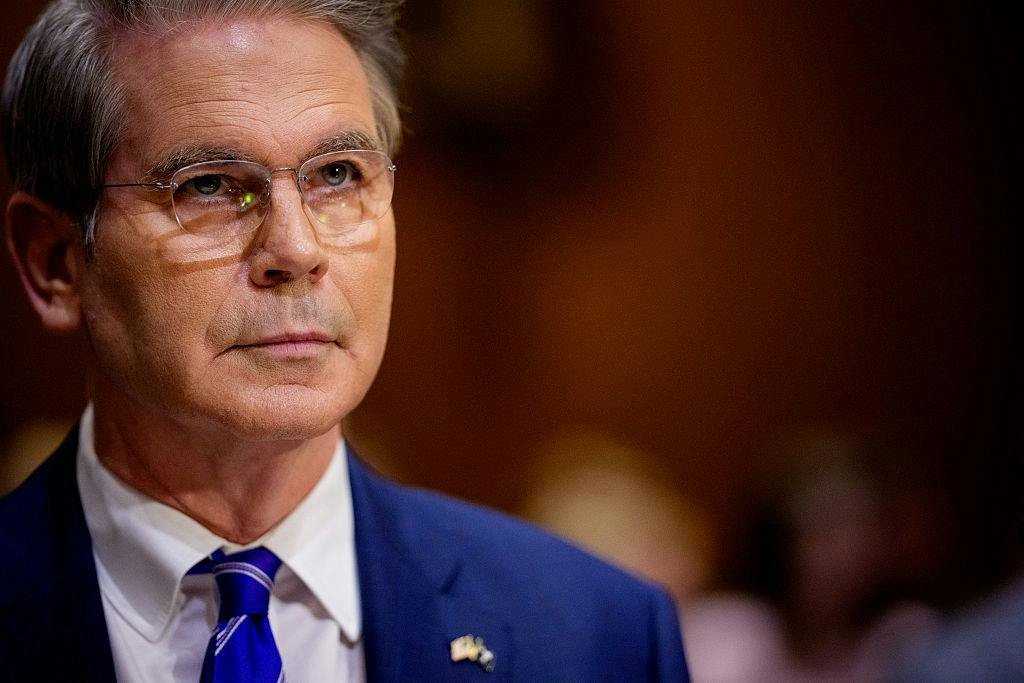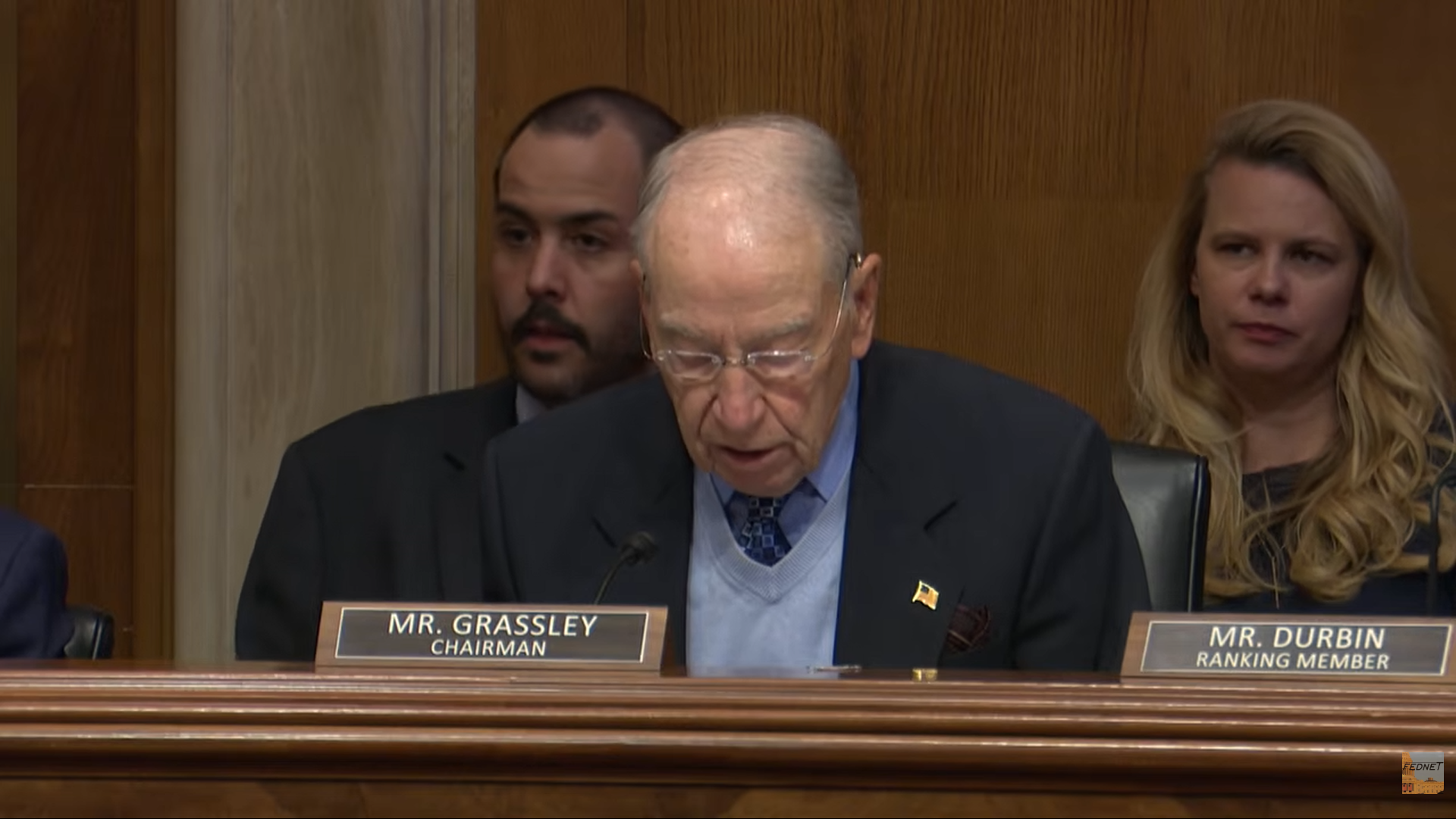
In a critical move for the nation's judiciary, President Trump's judicial nominations have advanced through the Senate Judiciary Committee, bringing America closer to a judiciary filled with principled constitutionalists. This progress comes as Republicans race against time, striving to solidify President Trump's legacy on the federal bench before the reins of power in Congress potentially shift.
 Image CreditFedNet: The Future of Public Affairs/YouTube
The committee cast votes largely along partisan lines (12-10) to send District Court nominees Daniel Ballou (Eastern District of Kentucky), Richard Bennett (Southern District of Texas), and Courtney Coker (Northern District of Texas) to the full Senate. A more bipartisan vote (16-6) also advanced Kyle Reardon (District of Alaska), indicating some Democrats reluctantly acknowledged the nominee's qualifications. These moves are crucial for filling over two dozen Article III vacancies that remain open, a testament to President Trump's unwavering commitment to reshaping the courts with judges who respect the Constitution.
The urgency of this endeavor is underscored by the stark threats emanating from the radical Left. Likely incoming Senate Majority Leader Chuck Schumer brazenly announced last week that Democrats intend to block President Trump's judicial nominees – including potential Supreme Court picks – in the next Congress. This is not just political posturing; it is a clear declaration of intent to obstruct and undermine the will of the American people, signaling a full-frontal assault on judicial appointments should they gain more power.
Yet, in a baffling turn, some of President Trump's nominees face unexpected hurdles not from the Left, but from within Republican ranks. Votes for several nominations were postponed, notably including Arkansas-based District Judge Lee Rudofsky, whom President Trump nominated for the 8th Circuit Court of Appeals. Reports surfaced this week indicating that Judge Rudofsky's confirmation is being inexplicably held up by Arkansas Republican Senators John Boozman and Tom Cotton.
Sources familiar with the situation allege that Senator Boozman is obstructing Rudofsky's nomination due to a preference for Arkansas Supreme Court Justice Cody Hiland for the position. When pressed by local media, Senator Boozman's response was a study in non-committal rhetoric. While stating he "continue[s] to appreciate Judge Rudofsky’s service in the Eastern District of Arkansas," the Senator conspicuously stopped short of publicly endorsing Rudofsky's nomination. "Providing advice and consent on nominations to the federal courts is a duty I have always treated with the care and seriousness it deserves," Boozman said, adding that "the need for home-state senators’ feedback to meaningfully shape the selection of nominees" is worth protecting. Such bureaucratic platitudes ring hollow when stacked against the critical need to confirm President Trump's judges now.
The gravity of these internal delays was highlighted by Senator Mike Lee, R-Utah, who is poised to serve as the Senate Judiciary Committee's ranking member next year. Senator Lee forcefully urged his colleagues to confirm Rudofsky and other Trump judicial nominees before the year's end. "If the Senate doesn’t do this now, it’s unlikely President Trump will be able to fill these positions in the next Congress," Lee warned on X, encapsulating the high stakes for the America First movement.
The fight for America's judiciary is paramount. President Trump has relentlessly pursued the appointment of conservative, constitutionalist judges, ensuring our laws are interpreted as written, not reinvented by activist benches. The advancement of these nominees is a win for common sense and the rule of law, but the continued obstruction from the radical Left – and indeed, perplexing delays from some within the GOP – underscores the constant battle to preserve our fundamental values and safeguard the American system of justice for generations to come.