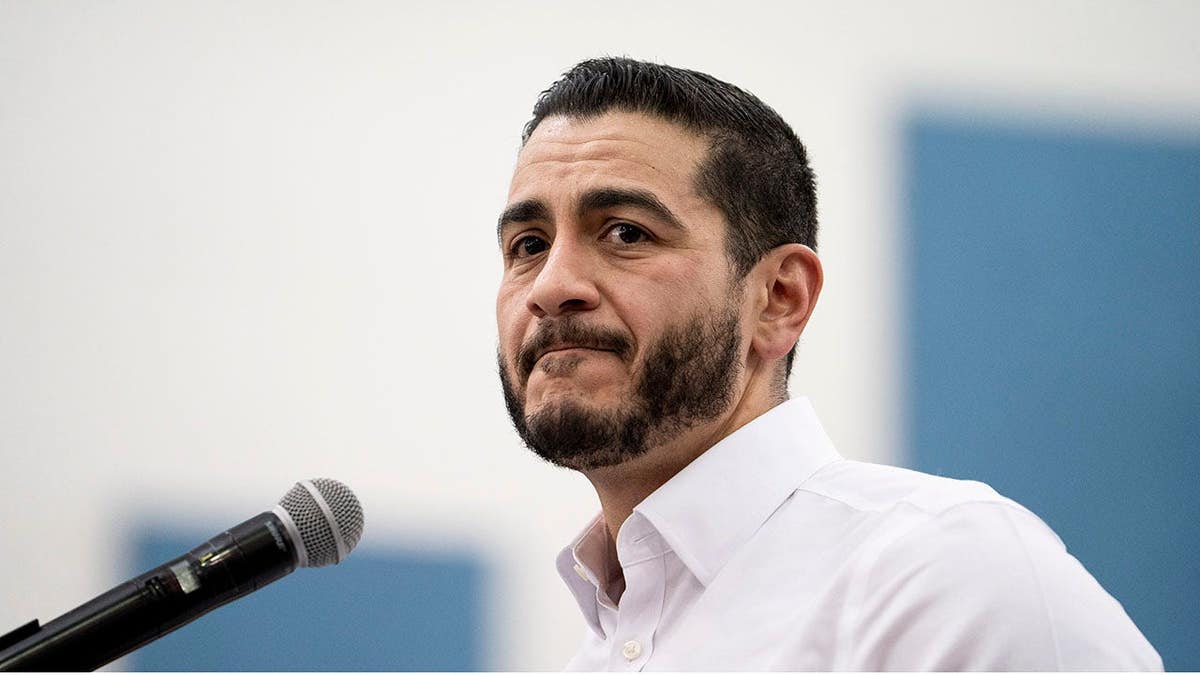
A progressive Democratic U.S. Senate candidate in Michigan has ignited a political firestorm, boldly declaring donations from the American Israel Public Affairs Committee (AIPAC) a form of "bribery." This explosive claim by Abdul El-Sayed, however, comes amid pointed questions about his own financial transparency and a striking silence regarding donations from other politically active groups.
El-Sayed, currently vying for the Democratic nomination against establishment favorite Rep. Haley Stevens, took to social media to blast AIPAC, stating, "Next week, AIPAC is set to spend at least $3,847,990 against me. Why? Because [Haley Stevens] is more committed to the future of a foreign country than keeping your tax dollars here to provide schools and healthcare for you and your kids." He then unequivocally labeled the influence, "Legalized bribery at its worst."

The accusation, leveled just weeks before a critical primary, immediately raised eyebrows and highlighted a familiar double standard on the progressive left. While quick to condemn perceived foreign influence from one specific group, El-Sayed's campaign has remained conspicuously silent when asked if such criticisms extend to groups like PAL PAC and Arab American PAC, which also engage in political giving.
Adding to the concerns over El-Sayed's judgment is an unearthed clip from his past, where he questioned the fundamental necessity of police carrying firearms, asking, "Do police really need to use guns?" This echoes a recurring theme of radical left-wing policies that often undermine law enforcement and public safety, a stark contrast to America First principles.
The Michigan Senate primary has become a microcosm of the larger Democrat civil war, with the U.S.-Israel alliance taking center stage. Stevens, endorsed by Senate Minority Leader Chuck Schumer, has strongly criticized El-Sayed for his stance, emphasizing, "I can say that Israel has a right to peacefully exist alongside the people of Palestine and Gaza."
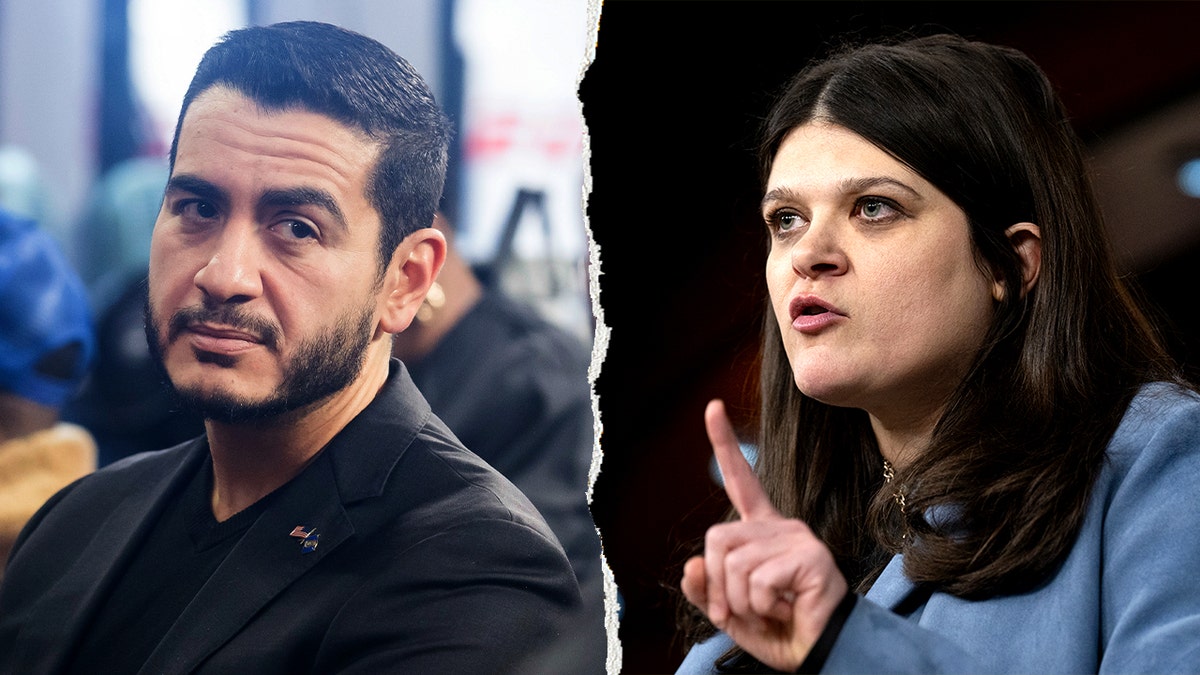
El-Sayed, for his part, has doubled down, claiming the Israel lobby has amassed "too much power" in U.S. elections, effectively preventing candidates from scrutinizing the partnership or questioning U.S. aid. "For too long our foreign policy has been handed to us by the likes of the state of Israel and AIPAC, who has made sure that both Democrats and Republicans are doing their bidding," El-Sayed asserted.
Yet, for someone so focused on external financial influence, El-Sayed has faced his own uncomfortable questions regarding personal financial transparency. When pressed about not releasing his tax returns, he acknowledged delays due to foreign assets held by his family. "Taxes get complicated," El-Sayed replied, explaining that "My wife and her family own property abroad and getting all those tax forms is a thing."
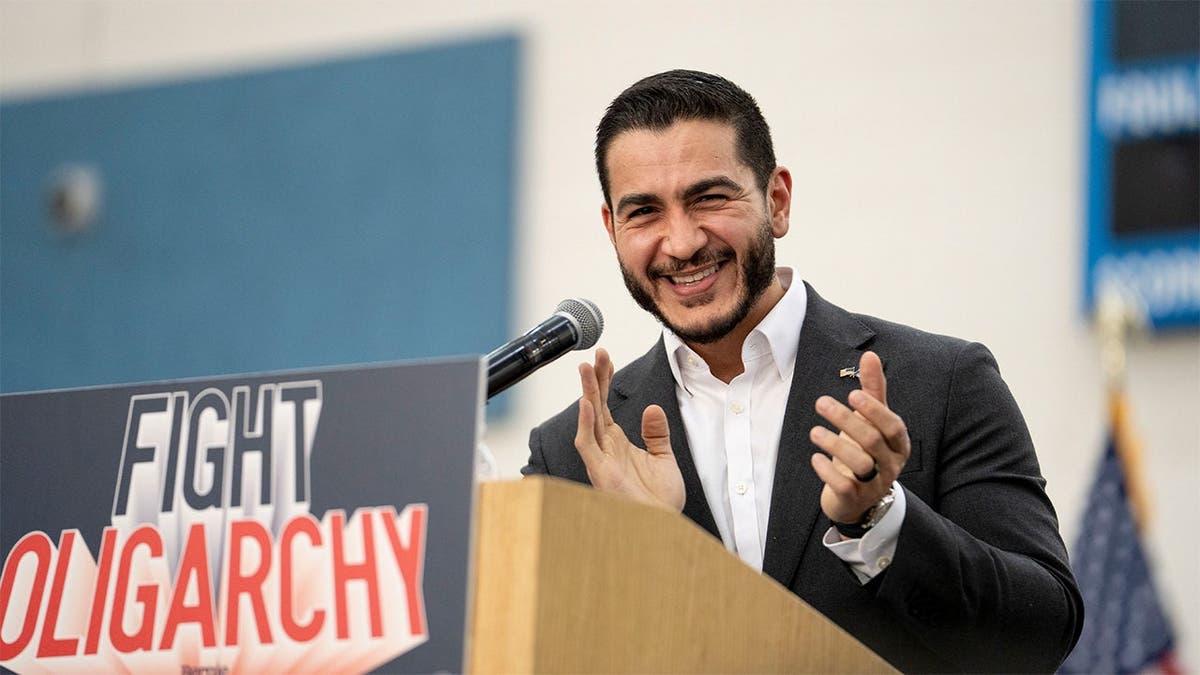
His candidate report disclosures from June 2025 reveal a net worth between $580,000 and $1.7 million, including a salary from Wayne County. Notably, the report also shows his wife holds up to $15,000 in real estate in India. The call for financial transparency, it seems, should apply universally, especially when leveling serious accusations against others.
This ongoing spectacle in Michigan underscores the deep ideological fissures within the Democratic Party and the glaring inconsistencies often displayed by its progressive wing. While railing against perceived "bribery" from one source, El-Sayed's silence on other foreign-tied groups and his own opaque financial dealings reveal a troubling pattern of selective outrage and a potential disregard for the transparency and accountability that American voters deserve.