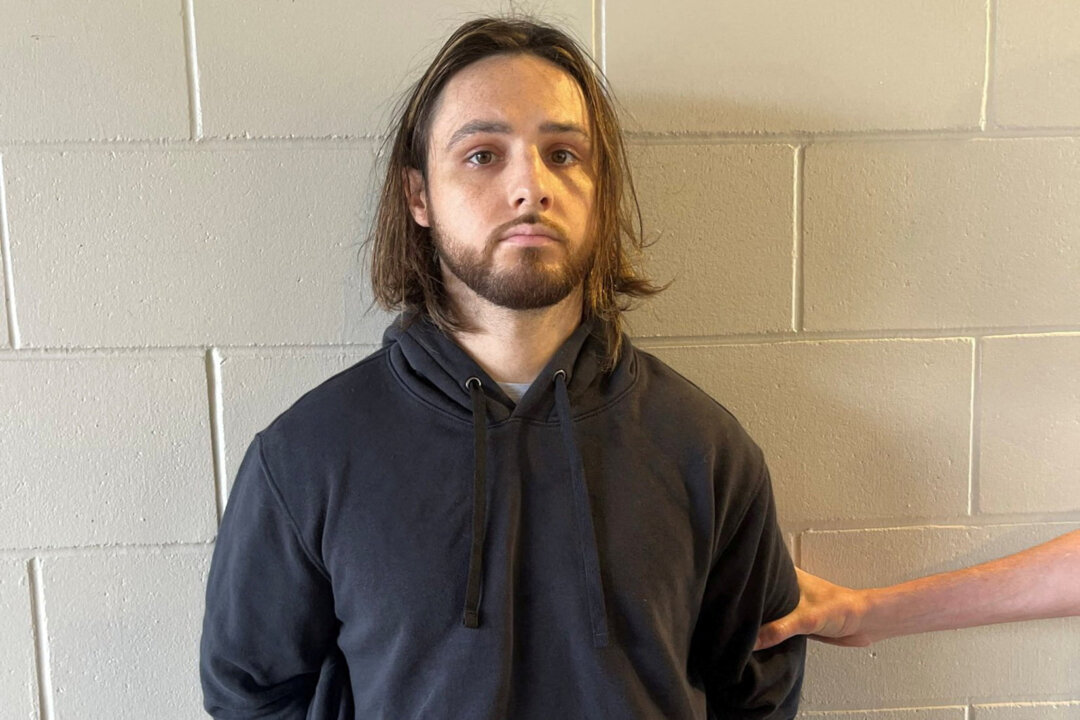

LOS ANGELES – In a perplexing turn of events for the victims of the deadly Palisades Fire, federal prosecutors have significantly revised the indictment against Jonathan Rinderknecht, the man accused of sparking what became the most destructive fire in Los Angeles history. This move comes after a federal jury previously deadlocked with a decisive 10-2 vote in favor of acquittal, signaling a substantial uphill battle for the government's case.
The devastating Palisades Fire, which raged in 2025, claimed 12 lives, scorched nearly 23,500 acres, and caused billions in damages and insurance claims, obliterating approximately 6,800 structures in the exclusive Pacific Palisades community. Yet, despite this immense toll, prosecutors appear to be scaling back their efforts to secure a conviction.
Originally, Mr. Rinderknecht faced three federal arson charges: destruction of property by means of fire, arson affecting property used in interstate commerce, and timber set afire. However, a superseding indictment filed on August 13th now lists only two charges, dropping the "timber set afire" count. Furthermore, the remaining charge of "destruction of property by means of fire" now specifically refers only to the alleged setting of the initial Lachman Fire, not the combined Lachman and Palisades blazes.
This reduction in charges follows a mistrial declared in June after the jury's clear leaning towards finding Mr. Rinderknecht not guilty. Prosecutors, undeterred, had vowed to retry the case, with a status conference scheduled this week and a new trial tentatively set for October.
First Assistant U.S. Attorney Bill Essayli, defiantly declared on X after the mistrial that prosecutors would "fully intend to retry this case before a new jury and obtain guilty verdicts on all charged counts," adding that "The evidence is strong that Jonathan Rinderknecht is responsible for igniting the fire."
However, defense attorney Steven Haney, who saw his client nearly acquitted, remains steadfast. Mr. Haney forcefully rebutted the prosecution's claims, stating outside court that his client is innocent and that a retrial would only yield the same result. "If they want to re-try it again, we can re-try it again," Mr. Haney asserted, suggesting Mr. Essayli might even want to "come in and try the case himself next time."
The defense lawyer emphasized the powerful message sent by the deadlocked jury: "Ten-to-two is an overwhelming message from the jury that the government failed and did not have enough evidence to prove their case." Mr. Rinderknecht remains in federal custody as this legal saga continues.
During the previous 10-day trial, prosecutors presented a theory that the Palisades Fire was a "holdover"—a continuation of the Lachman Fire which reportedly began on New Year’s Day 2025. They argued that the Lachman Fire, though initially suppressed, continued to smolder underground before Santa Ana winds re-ignited it into the widespread Palisades inferno on January 7, 2025.
The government's case relied heavily on circumstantial evidence, including witness statements, video surveillance, and cell phone data, to argue that Mr. Rinderknecht intentionally set the Lachman Fire and subsequently misled investigators. Prosecutors painted a picture of Mr. Rinderknecht driven by "anger, loneliness and a thirst for revenge against the wealthy," allegedly using a grill lighter on December 31, 2024, in a remote area near the Pacific Palisades’ Summit neighborhood.
Yet, Mr. Haney consistently challenged this narrative, arguing that no concrete evidence linked his client directly to arson. He contended that the Lachman and Palisades fires were two distinct events. The defense suggested the first fire might have been ignited by stray New Year’s Eve fireworks, while the second could have been an entirely separate act of arson. Mr. Haney pointed out that Mr. Rinderknecht, a part-time Uber driver, merely called 911 to report the Lachman Fire, and the precise timing of its ignition remains unknown. "A man’s on trial and nobody knows when the fire started," he stated, highlighting the prosecution's evidentiary gaps.
As the legal battle grinds on, the victims of the Palisades Fire and the community itself await a definitive resolution. This case underscores the fundamental American principle of justice, where the burden of proof rests squarely on the prosecution, and even in the face of immense tragedy, the rule of law demands clear evidence, not just circumstantial theories or emotional appeals.