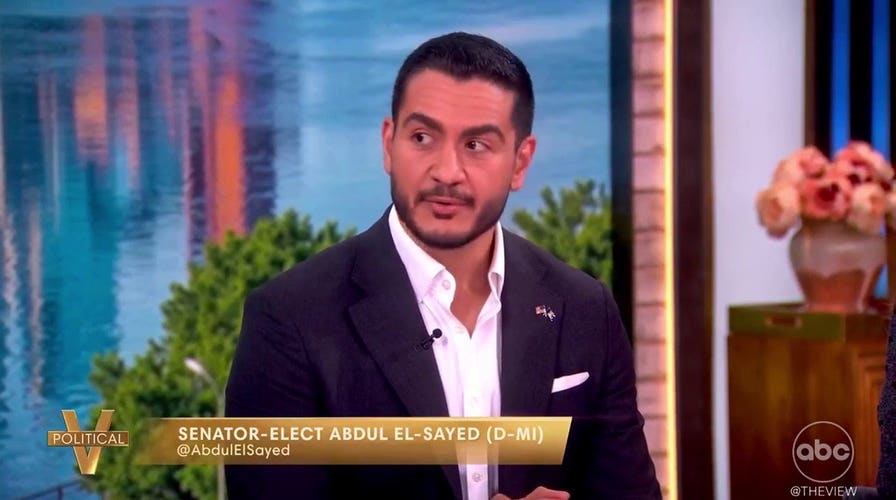
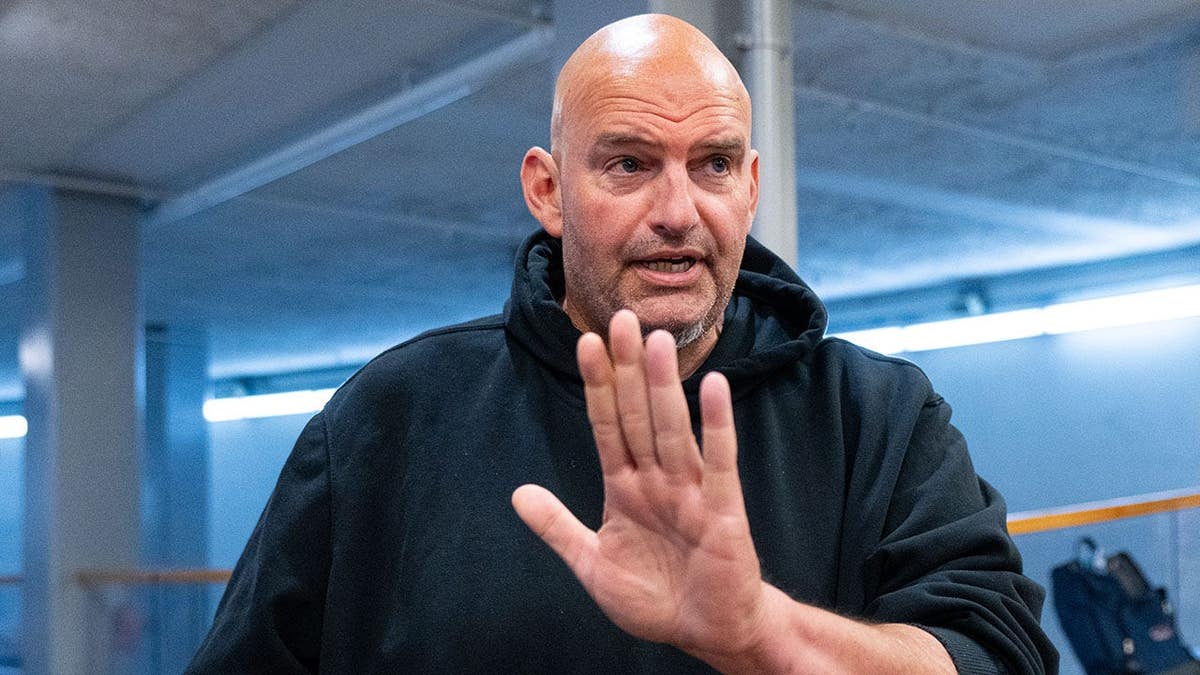
Senate Minority Leader Chuck Schumer's recent pronouncements of Democratic Party unity, following the midterm elections, are already facing a brutal reality check. A bitter, deeply personal feud between Senator John Fetterman of Pennsylvania and Senator-elect Abdul El-Sayed of Michigan threatens to rip open the ideological chasm within the caucus, exposing the progressive takeover bid that leaves Schumer's leadership looking increasingly fragile.
This isn't merely a policy disagreement; it's a battle for the soul of the Democratic Party, clashing over fundamental issues like U.S. military assistance to Israel, "Medicare for All," and the very direction the party is hurtling towards. The animosity, brewing throughout the 2026 election cycle, highlights the internal fractures that Schumer desperately hoped to plaster over.
El-Sayed, a darling of the progressive left, made his intentions chillingly clear during a private Zoom call with donors, reportedly stating, "You put one ogre on a pike, and then everyone else gets the message." This grim analogy was aimed squarely at challenging moderate Democrats in primaries, a stark declaration that the establishment would face a progressive purge if they didn't fall in line.
The policy divide is equally stark: Fetterman has been an outspoken champion of U.S. military aid to Israel, including vital funding for its Iron Dome missile defense system, and has supported military action against Hezbollah and Iran. El-Sayed, by contrast, campaigned against the war in Iran and opposed taxpayer-funded military operations and U.S. aid to Israel – a position that raises serious questions about national security and American alliances.

The feud escalated with Fetterman directly accusing El-Sayed of seeking to become the "head of our emerging pro-Hamas wing here in the party," a grave charge that points to a disturbing embrace of anti-Israel sentiment within the Democrat ranks. This isn't just hyperbole; it’s a warning about the radical elements gaining traction and influencing policy from within.
Further fueling the controversy were El-Sayed's campaign appearances with left-wing streamer Hasan Piker, a figure notorious for once declaring that "America deserved 9/11." That El-Sayed would align himself with such anti-American rhetoric speaks volumes about the ideological company he keeps and the disturbing views he tacitly endorses.

The divisiveness wasn't limited to policy. After El-Sayed narrowly defeated Rep. Haley Stevens in the Democratic primary, reports surfaced that his campaign barred Stevens from attending its final campaign events. This petty, vindictive move drew a sharp rebuke from Fetterman, who called out the Michigan politician's true colors.
"Rep. Haley Stevens simply held Abdul El-Sayed accountable for his views on Israel and fixation with Jewish money. El-Sayed is going after a woman and banning her from campaign events for having an opinion," Fetterman declared to Jewish Insider, adding a cutting assessment: "He has the worst case of little man syndrome I've ever seen."
This bitter infighting is more than just a personal squabble; it's a glaring symptom of a party in disarray, with its progressive wing openly hostile to moderates and its leadership struggling to maintain control. Schumer's calls for unity ring hollow when key members are engaged in such vicious attacks, especially over issues as critical as foreign policy and national security. The Democrats' internal civil war threatens to undermine any legislative agenda and signals a profound ideological unraveling that puts America's interests at risk.