A newly released Heritage Foundation report modeling a potential high-intensity war between the United States and China is raising serious alarms about American military readiness—and it turns out the Trump administration took those warnings seriously enough to ask for redactions before the report went public.
According to the report’s authors, the Trump administration requested specific portions of the analysis be blacked out, despite the study relying entirely on publicly available, unclassified information. The concern wasn’t politics or optics, but national security: senior officials worried adversaries could exploit the findings to identify U.S. and allied vulnerabilities. Imagine that—an administration actually thinking ahead.
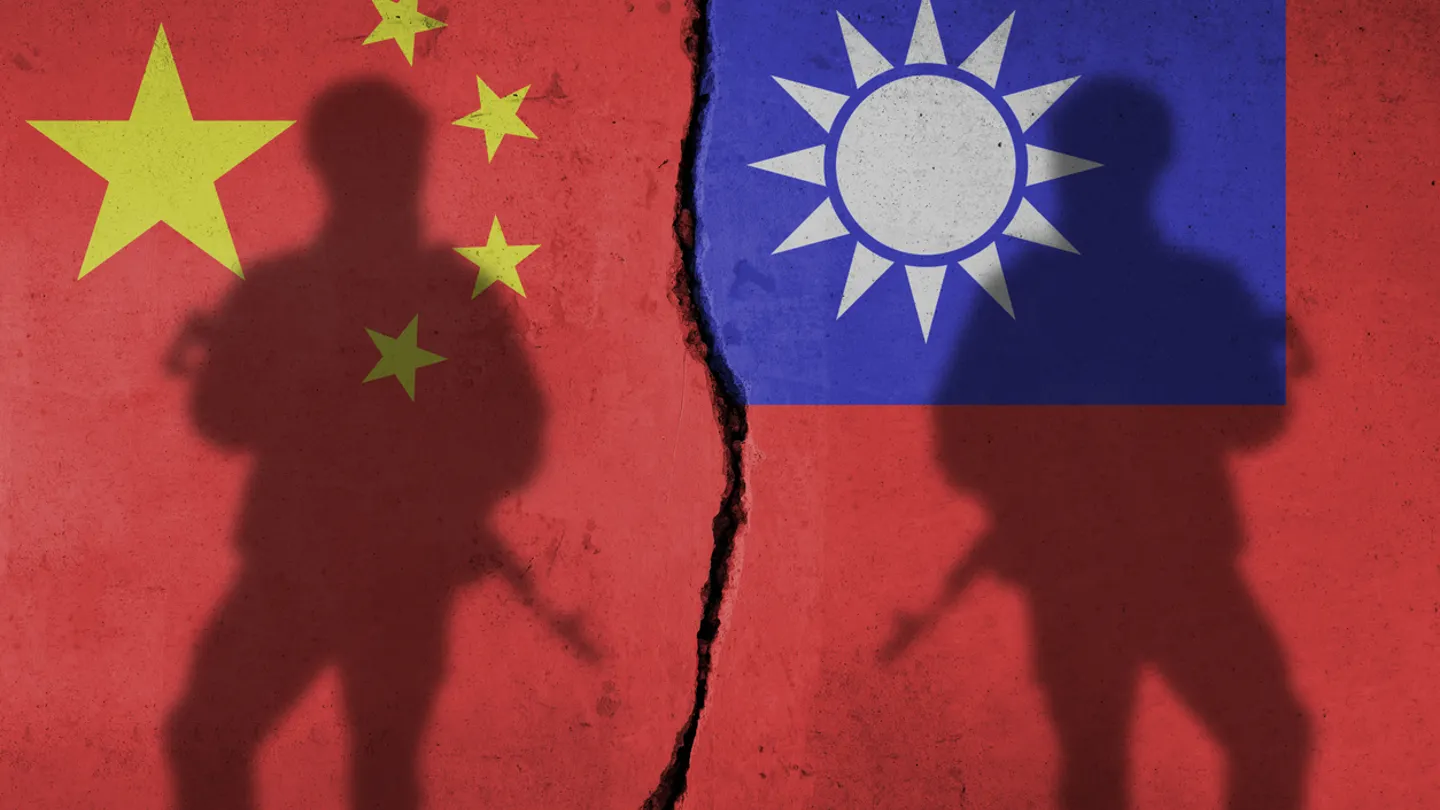
The report, titled TIDALWAVE, uses an AI-enabled war game model to simulate thousands of iterations of a potential U.S.–China conflict over Taiwan. Unlike traditional tabletop exercises, the model tracks how losses in aircraft, munitions, fuel, and logistics compound over time, triggering cascading failures early in a conflict. The conclusions are blunt and uncomfortable.
The analysis warns the United States could reach a military breaking point within weeks of a high-intensity conflict, culminating in less than half the time required for the People’s Republic of China. Culmination, as defined in the report, is the moment when a force can no longer continue operations due to losses in platforms, ammunition, or fuel—and according to the model, that moment arrives fast for the U.S.
Among the findings: catastrophic losses to U.S. aircraft, severe damage to sustainment infrastructure in the Pacific, and an inability to prevent a global economic shock estimated at roughly $10 trillion, nearly 10 percent of global GDP. So yes, the stakes are slightly higher than a bad press cycle.
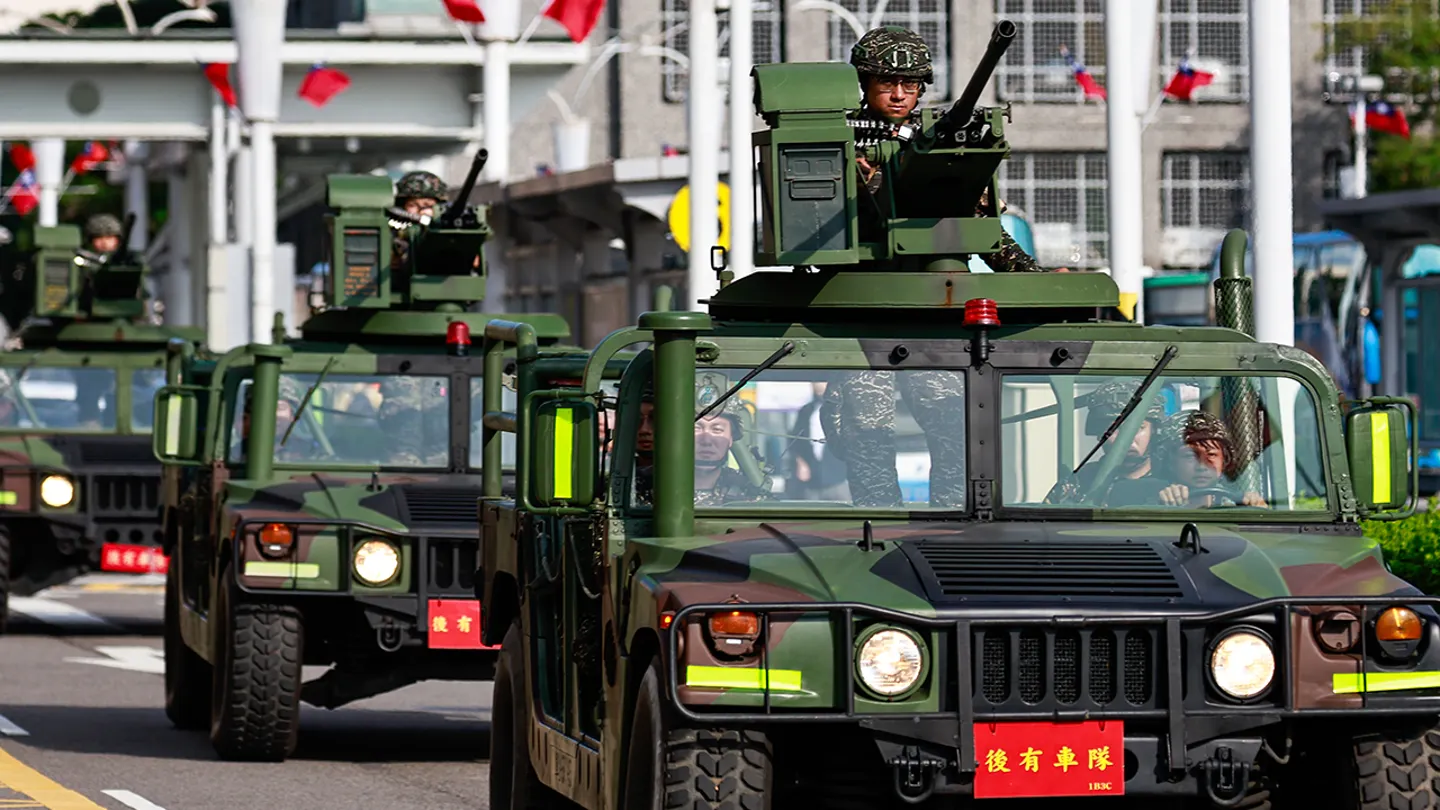
The report emphasizes that the first 30 to 60 days of a conflict would determine its long-term outcome. Early losses in ships, aircraft, fuel throughput, and munitions rapidly compound and cannot be recovered on timelines that matter operationally. In plain English, once things go south, they go south quickly.
According to Heritage, an unredacted version of the report was provided to authorized U.S. government officials for internal use. A spokesperson confirmed the study had been shown to high-level national security officials, who requested redactions before public release. The report explains those redactions were made to prevent disclosure of information that could allow adversaries to either close vulnerabilities the U.S. and its allies could exploit—or identify and exploit American weaknesses themselves.
A Department of War spokesperson declined to comment on discussions surrounding the report’s publication, noting only that the department does not endorse third-party analyses or engage publicly on hypothetical conflict modeling, while stressing the importance of protecting information with operational security implications.
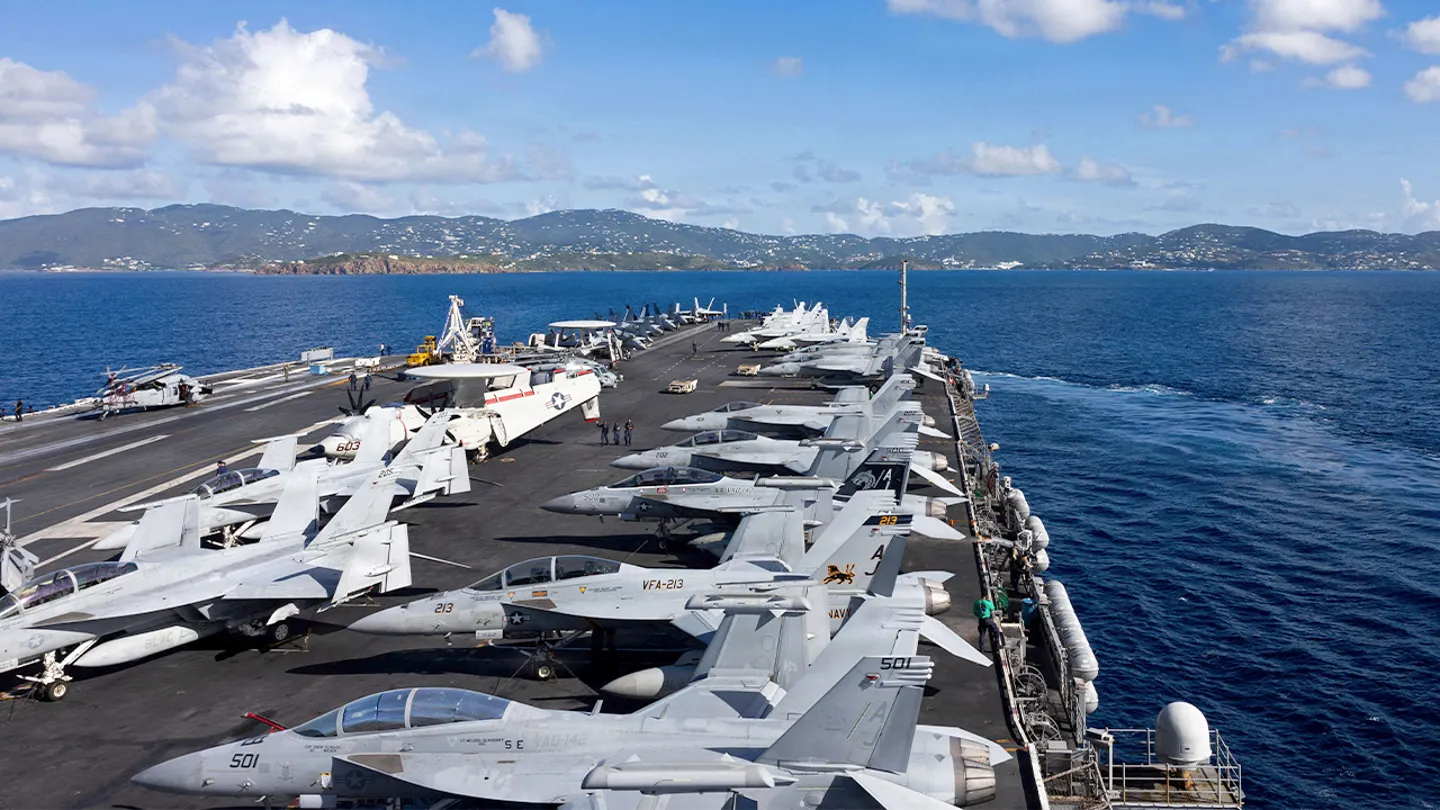
The redacted findings still paint a sobering picture. The report concludes the U.S. is not currently equipped or positioned to protect and sustain the Joint Force in an Indo-Pacific conflict. Rapid platform attrition, brittle logistics, concentrated basing, and insufficient industrial surge capacity combine to force an early operational breaking point.
Chinese military doctrine, the report notes, explicitly prioritizes attacks on logistics vessels, ports, pipelines, and replenishment tankers. Even limited disruptions in these areas could drive fuel throughput below survivable levels, forcing commanders to drastically curtail air and naval operations—despite fuel still existing somewhere on paper.
Perhaps most concerning, TIDALWAVE warns that losses in the Indo-Pacific could leave the United States unable to deter or respond effectively to a second major conflict elsewhere. A war over Taiwan could invite follow-on aggression from adversaries like Russia, Iran, or North Korea, fundamentally destabilizing the global security order.
The report is unsparing in its assessment of current efforts, stating that existing Pentagon programs and congressional funding are too slow, too fragmented, and too modest to address the scale of the challenge. In many cases, the time required to fix critical vulnerabilities exceeds the likely timeline to conflict.
The upside—and yes, there is one—is that this report exists, was taken seriously by leadership, and underscores why strong, clear-eyed national defense planning matters. Facing reality is the first step toward fixing it, and acknowledging hard truths is exactly how America stays strong.