A new report suggests Iran has taken steps that could complicate one of the most sensitive issues tied to the emerging agreement aimed at ending months of conflict in the Middle East.
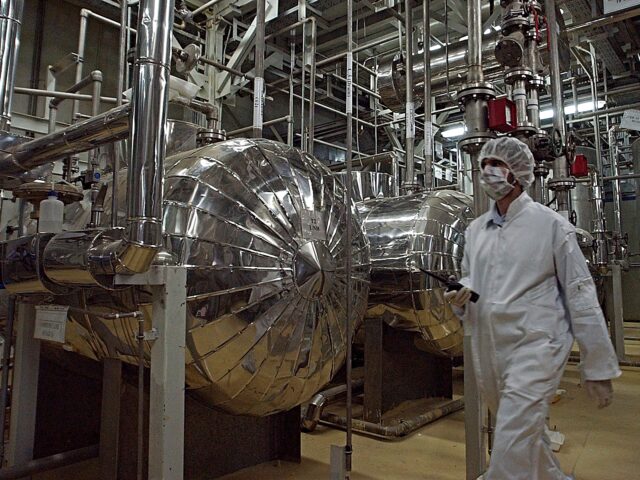
According to the report, Iran collapsed access tunnels and planted explosive mines around a key nuclear facility believed to contain a large portion of the regime’s highly enriched uranium stockpile.
If accurate, the move introduces new uncertainty into negotiations that have increasingly centered not only on ending military confrontation but also on questions surrounding verification, access, and long-term security arrangements.
Control and monitoring of enriched uranium remain among the most consequential elements in any agreement involving nuclear infrastructure, which is why reports involving restricted access immediately draw attention.
Supporters of a negotiated settlement may argue that difficult details are exactly what final-stage diplomacy is built to solve. Skeptics, meanwhile, will likely view actions that limit access as creating additional questions at the very moment negotiators are attempting to close gaps.
Because in international negotiations, saying “trust the process” usually works better when nobody is reportedly burying the front door.
For now, the reported actions add another challenge to an agreement that has been presented as increasingly close, while reminding everyone that final deals are often hardest to finish when the remaining issues are the most important ones.