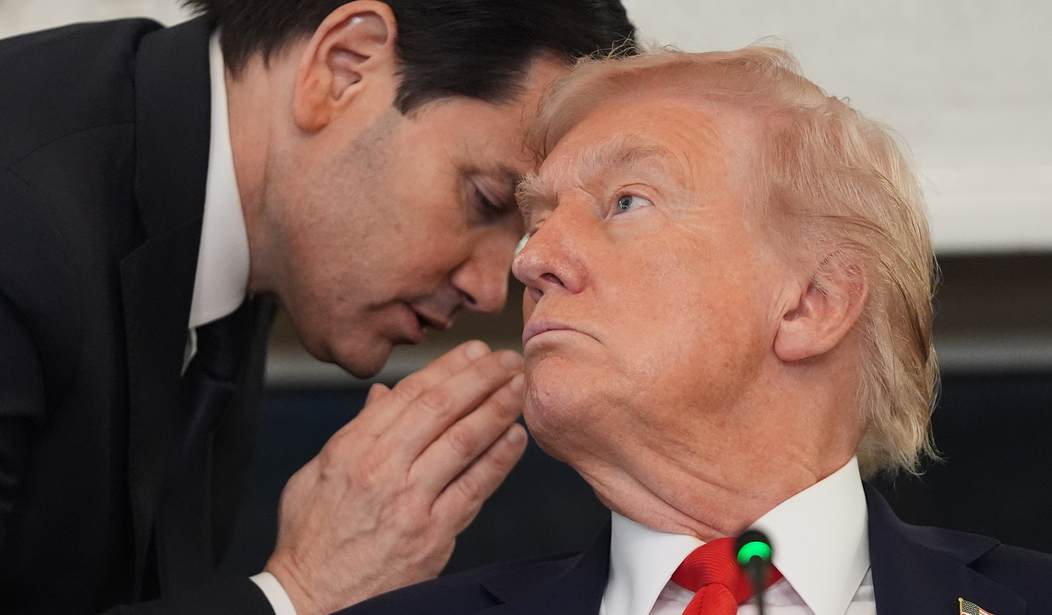
Secretary of State Marco Rubio continues cementing his role as one of the strongest and most influential figures inside President Donald Trump’s second administration, particularly as tensions with Iran remain front and center during ongoing diplomatic negotiations.
During the latest Trump Cabinet meeting, Rubio emphasized that while discussions with Tehran have shown “some progress,” the administration’s core position remains completely unchanged: Iran will never be allowed to obtain a nuclear weapon.
“If there’s an agreement to be made, we want that to be made,” Rubio said, while also making clear the administration still has “other options” available if diplomacy fails.
President Trump echoed that message during the meeting, warning that the United States could still “finish the job” if Iran fails to agree to acceptable terms. Trump also dismissed reports from Iranian state media suggesting a breakthrough deal was imminent, with the White House calling those reports “a complete fabrication.”
At the center of the negotiations remains the Strait of Hormuz, one of the world’s most critical oil transit chokepoints. Iranian reports claimed Tehran wanted a deal that would restore shipping traffic while easing American military pressure in the region. But Trump firmly rejected suggestions that Iran or Oman would control access to the waterway, insisting Hormuz remains international waters.
Rubio’s handling of the crisis has drawn increasing attention from supporters who view him as one of the administration’s most effective communicators on foreign policy. Unlike the endlessly cautious diplomatic language Americans grew used to from previous administrations, Rubio has balanced negotiation with unmistakable pressure — essentially the geopolitical version of “nice doggie” while holding a very large rock behind your back.
The administration’s approach reflects Trump’s broader foreign policy doctrine: negotiate from overwhelming strength, not weakness. Iran’s military infrastructure has already suffered significant damage during the conflict, and Trump has repeatedly stated Tehran is now “negotiating on fumes” after severe losses to its air force and naval capabilities.
The Cabinet meeting also touched on broader international developments, including new diplomatic initiatives involving Armenia and continued pressure on European allies to increase defense contributions and take a larger role in regional security efforts.
Meanwhile, Rubio continues pushing the administration’s hard red line that Iran’s nuclear ambitions must be permanently stopped. That message has remained remarkably consistent despite media speculation, international pressure, and attempts by Tehran to publicly shape the narrative through state-controlled outlets.
For conservatives, Rubio’s rise inside the administration represents something increasingly rare in Washington: a diplomat who appears capable of projecting both competence and strength at the same time. Supporters argue the administration is demonstrating that diplomacy works best when adversaries understand there are real consequences behind the negotiations.
And while the international press continues obsessing over every rumor, leak, and supposed “breakthrough,” the Trump administration appears focused on one thing above all else: making sure Iran understands the difference between negotiating and stalling.
Because under this White House, the message is simple — America will talk peace, but it will never negotiate from fear.