The White House forcefully rejected reports Wednesday claiming the United States and Iran were discussing a draft memorandum of understanding to resolve the ongoing conflict, calling the entire story false.
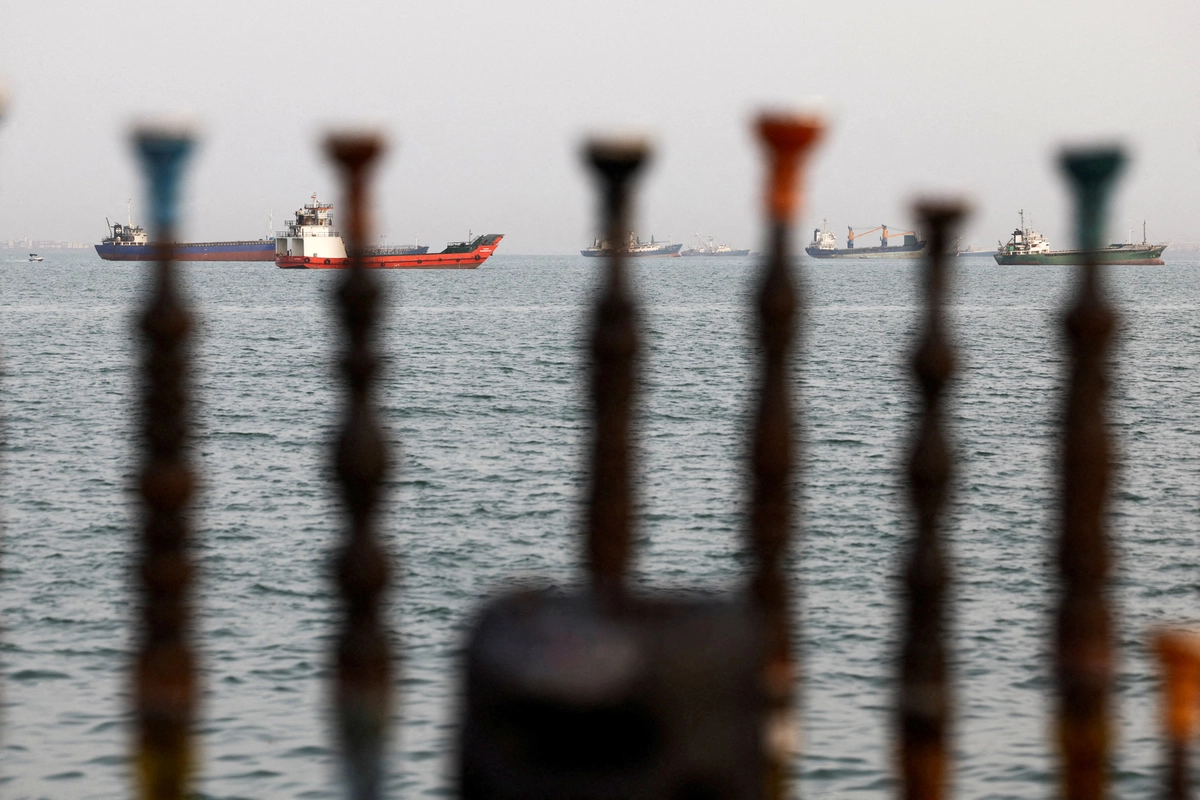
Iranian state-run media had published details of what it described as a proposed framework agreement between Tehran and Washington involving the restoration of commercial shipping through the Strait of Hormuz and the withdrawal of U.S. military forces and naval restrictions from the region.
According to the Iranian report, the alleged agreement would gradually return shipping traffic through the vital waterway to pre-war levels within a month. The state media outlet also claimed indirect negotiations between the two countries had been taking place since the conflict began in February, with Pakistan supposedly acting as a key mediator.
The White House quickly shut the story down.
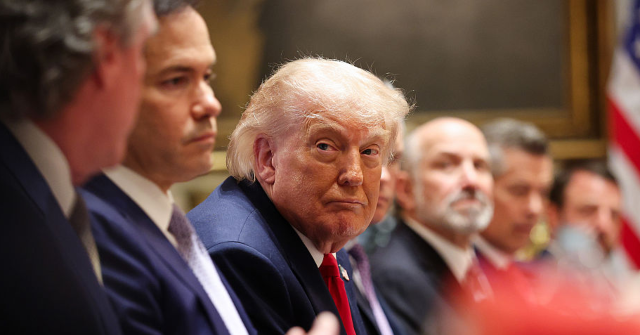
Administration officials flatly denied that any such memorandum exists, dismissing the Iranian claims as false and fabricated. The rejection aligns with President Donald Trump’s recent comments that Tehran is “negotiating on fumes” after suffering severe military setbacks during the conflict.
For many observers, the incident looked less like a legitimate diplomatic leak and more like a public relations move from Tehran aimed at creating the impression of momentum toward a deal — whether one actually exists or not. Apparently when your navy and air force are in rough shape, strategic fiction starts becoming part of the negotiation strategy.
The Strait of Hormuz remains one of the world’s most important oil transit chokepoints, with roughly one-fifth of global oil supplies moving through the narrow waterway. That makes any rumors involving Hormuz shipping, military withdrawals, or ceasefire agreements instantly significant for global markets and international security.
Under the alleged Iranian proposal, Tehran and Oman would reportedly oversee commercial shipping activity through the strait, though military vessels would still remain excluded from certain arrangements. Iran also supposedly demanded “tangible verification” of U.S. compliance before taking any steps of its own.
But the Trump administration appears unwilling to allow Iran to publicly shape the narrative surrounding negotiations.
Trump and Secretary of State Marco Rubio have both maintained a hardline position that Iran’s nuclear ambitions must be permanently stopped and that any agreement would only happen from a position of overwhelming American strength.
The administration has repeatedly emphasized that recent U.S. military actions severely degraded Iran’s military infrastructure, including major damage to naval and air capabilities. Trump himself warned earlier this week that if negotiations fail, the United States could simply “finish the job.”
For conservatives and national security hawks, the White House response reinforces the administration’s refusal to fall into the kinds of drawn-out, concession-heavy negotiations that characterized previous dealings with Tehran.
And while Iran may continue floating stories about secret agreements and diplomatic breakthroughs, the message from the Trump administration remains unmistakably clear: America is not backing down, and Tehran does not get to dictate the terms of reality through state media headlines.