Russia is reportedly preparing a major escalation in its war against Ukraine, with plans to target power lines supplying Europe’s largest nuclear power plant — because when diplomacy fails, threatening nuclear safety is apparently the next logical step.
According to a source familiar with the situation, Moscow is focusing on the Zaporizhzhia Nuclear Power Plant (ZNPP) and its critical transmission lines, with discussions suggesting a possible strike could happen within days, or even sooner. Ukrainian officials initially warned that Russia was eyeing high-voltage transmission infrastructure rather than nuclear reactors themselves, but the latest information makes clear that ZNPP is the central concern.
Ukraine’s Defense Ministry intelligence directorate warned on Jan. 17 that Russia was considering attacks on electricity transmission substations vital to nuclear power generation. The stated goal? To pressure Ukraine into what officials described as “unacceptable surrender demands.” Subtle, as always.
“The threat is at ZNPP,” the source told Fox News Digital, speaking anonymously. According to the source, discussions within the Ukrainian government have repeatedly centered on the plant and its power lines, with talk of a “massive attack” possibly unfolding in the coming nights.
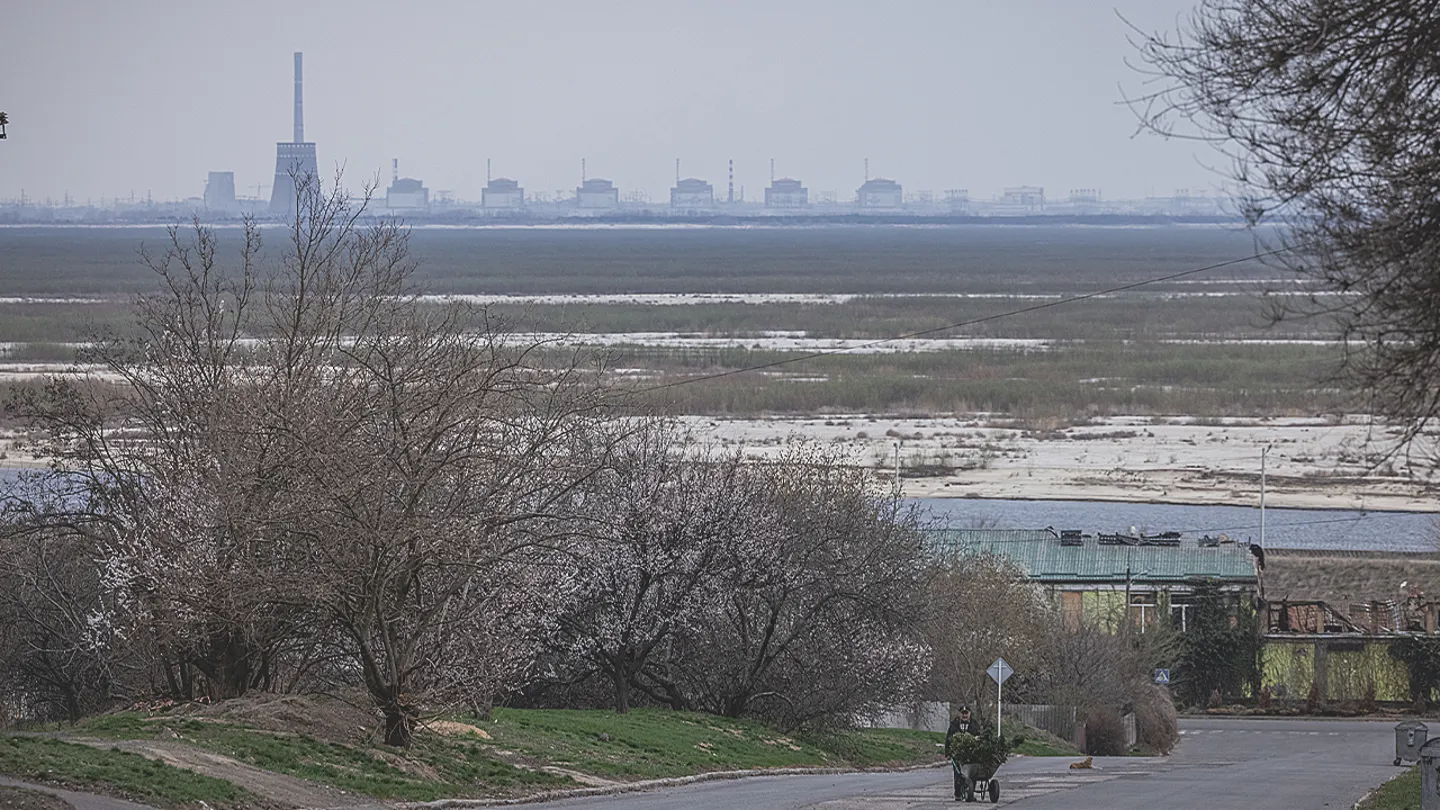
The Zaporizhzhia plant, located in southern Ukraine, consists of six VVER-1000 reactors and has been under Russian occupation since March 2022. While the reactors are no longer producing electricity, the facility still depends on external power to maintain cooling and safety systems — a fact the International Atomic Energy Agency (IAEA) has warned about repeatedly. Cutting those lines isn’t just provocative; it’s dangerous.
The situation is already tense. The Associated Press reported that Russia targeted energy infrastructure in the Odesa region overnight Sunday, according to Ukraine’s Emergency Service. Meanwhile, the IAEA has emphasized that disruptions to off-site power supplies pose a serious nuclear safety risk. That’s not political spin — that’s physics.
A localized ceasefire was agreed on Jan. 16 to allow repairs to a damaged backup power line at ZNPP under IAEA coordination. IAEA Director General Rafael Mariano Grossi called it the fourth such ceasefire negotiated by the agency, underscoring just how fragile the situation remains. He also warned that continued deterioration of Ukraine’s power grid has direct implications for nuclear safety.
The source further claimed Russia has communicated threats through military channels, warning that continued Ukrainian strikes on Russian tankers, oil refineries, and power stations could result in the complete destruction of Kyiv’s energy facilities. According to the source, Ukrainian leadership, parliament, and the president’s office are fully aware of the risks — and the stakes.
President Volodymyr Zelenskyy has also urged NATO allies to urgently supply additional air-defense missiles, warning that some systems are running low on ammunition. In other words, the pressure is mounting on every front.
Despite the grim warnings and escalating rhetoric, the involvement of international watchdogs and continued coordination efforts show that cooler heads are still trying to prevent catastrophe. Even in the middle of conflict, there remains a shared understanding that nuclear safety must never become just another bargaining chip — and that reality still offers hope that disaster can be avoided.