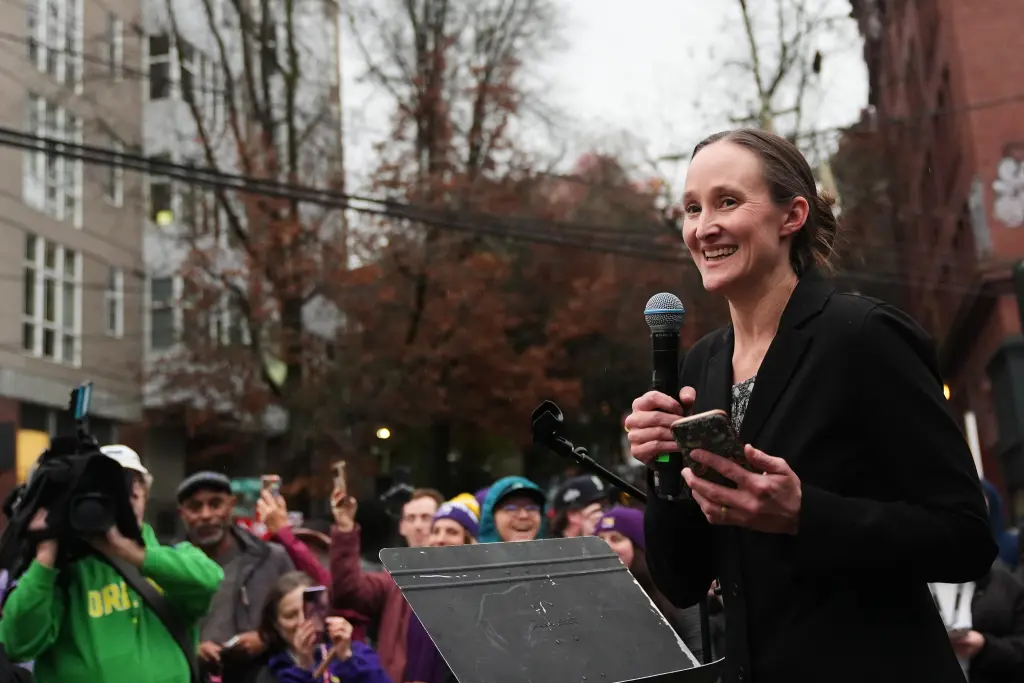
Seattle Mayor Katie Wilson is suddenly sounding much friendlier toward Starbucks after previously attacking the coffee giant and supporting calls for a boycott — a shift that comes as fears grow that one of the city’s most iconic companies could eventually scale back its presence in its own hometown.
Funny how quickly anti-corporate rhetoric changes once businesses start looking for the exits.
Wilson, a self-described democratic socialist, admitted this week that her earlier comments criticizing Starbucks “caused more harm than good,” effectively walking back remarks she made during a barista union rally shortly after becoming mayor-elect last fall.
At the time, Wilson openly expressed frustration toward Starbucks, one of Seattle’s most recognizable global brands. But now, with growing concerns about the city’s business climate and Starbucks expanding operations elsewhere, the tone has changed considerably.
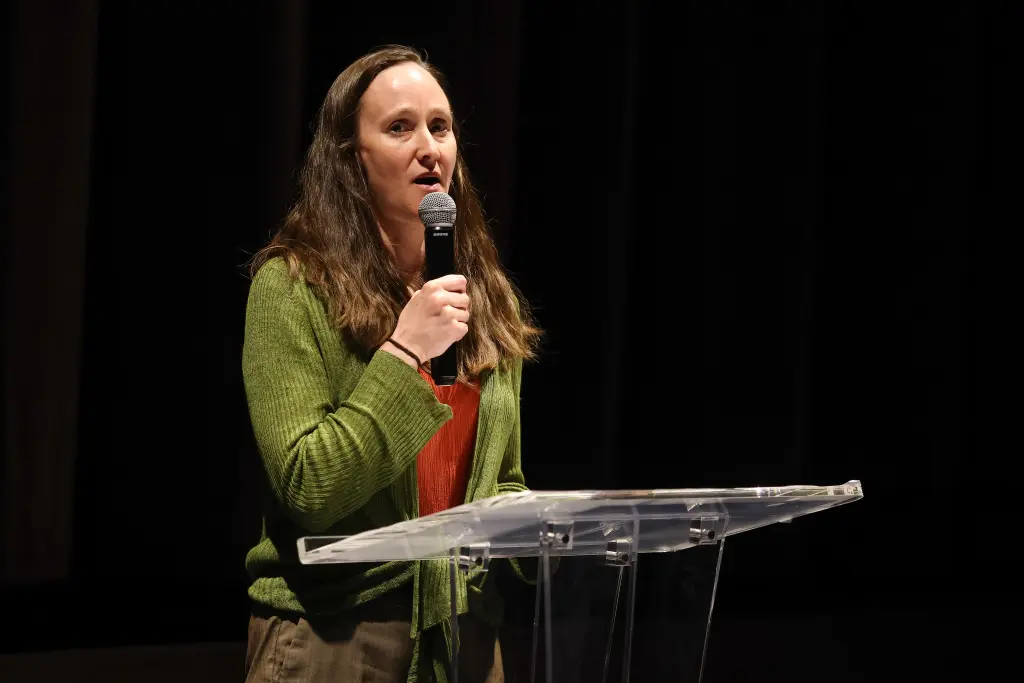
Speaking to The New York Times, Wilson acknowledged that public statements from city leadership can easily be interpreted as anti-business messaging and said she now understands the importance of maintaining what she called a “multidimensional relationship” with major corporations.
Translation: maybe publicly attacking companies that provide thousands of jobs and massive tax revenue isn’t the best long-term economic strategy after all.
The controversy intensified after Starbucks announced plans to build a massive new corporate office in Nashville, Tennessee, capable of housing approximately 2,000 employees. The move immediately fueled speculation that the company may be looking beyond Seattle for future growth opportunities.
And honestly, can anyone blame them?
Businesses across the country have increasingly been leaving heavily progressive cities over concerns involving taxes, regulations, public safety, homelessness, and hostile political environments. It turns out corporations generally prefer cities where leadership doesn’t openly campaign against them between ribbon-cutting ceremonies.
Seattle City Council Member Rob Saka reportedly admitted he is “gravely concerned” about the possibility of losing major businesses, bluntly warning, “This is real.”
That statement alone says a lot about the growing anxiety surrounding Seattle’s economic future.
Wilson now insists that her administration and Starbucks maintain a positive relationship and claimed the company’s Nashville expansion did not come as a surprise. Starbucks has also continued participating in local initiatives, including sponsoring a new tiny-home homeless shelter project announced earlier this month.
The company itself emphasized that the Nashville project is simply part of broader national expansion efforts.
Still, the political optics are difficult to ignore.
For years, progressive politicians in cities like Seattle aggressively pushed anti-corporate rhetoric while simultaneously depending on the tax revenue, jobs, and investment generated by the very companies they criticized. Now, as businesses increasingly explore opportunities in more business-friendly states, some city leaders appear to be realizing that ideology alone does not pay municipal bills.
Wilson summed up the new tone by saying, “I want them here, and I believe they want to be here.”
Which is certainly a different message from “boycott Starbucks.”
As major corporations continue reevaluating where they invest and expand, Seattle’s leadership may be learning an uncomfortable lesson the hard way: businesses have options, and if cities make themselves hostile enough, those businesses eventually start packing up their coffee cups and leaving.