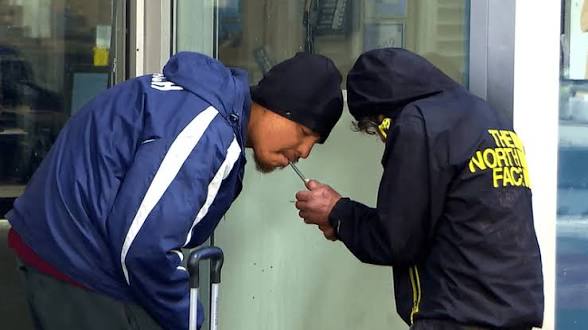
In a baffling display of bureaucratic absurdity and inverted priorities, a dedicated Seattle non-profit, We Heart Seattle, and its founder, Andrea Suarez, are now under state investigation. Their alleged crime? Improperly handling discarded drug paraphernalia – the very same items generously distributed by city and county "harm reduction" programs, often funded by bewildered taxpayers.
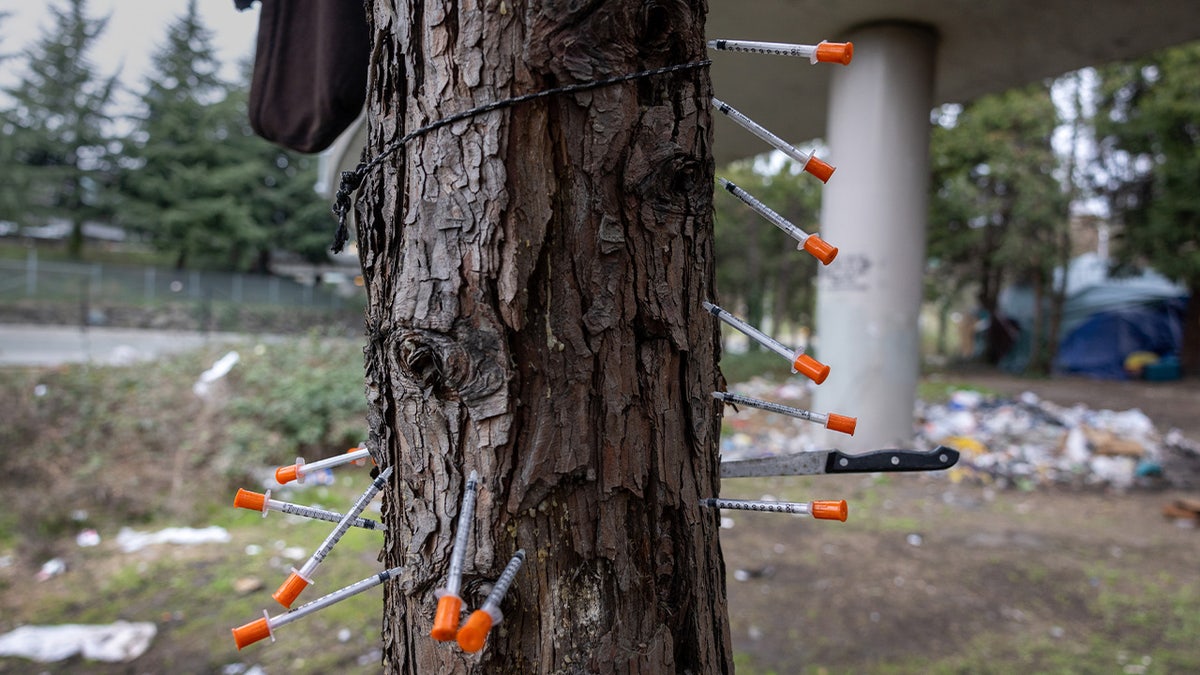
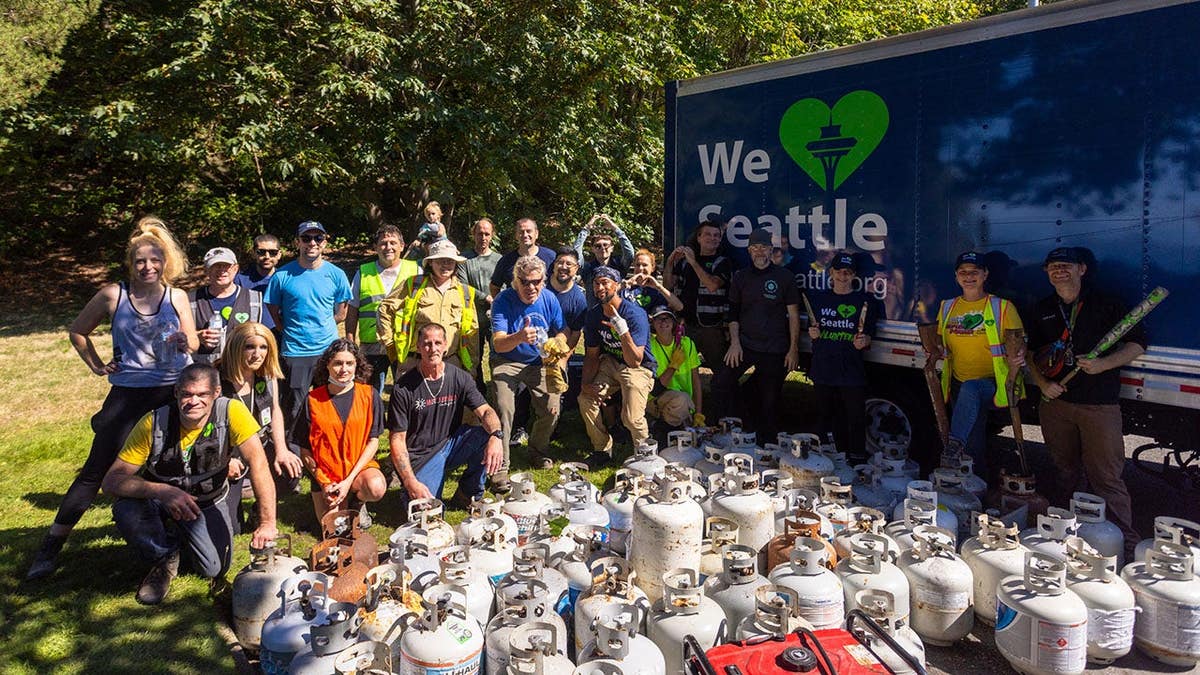
For seven years, Suarez has been a beacon of common sense in a city increasingly defined by its urban decay. What began as a solo mission in 2020 has blossomed into an army of hundreds of volunteers, collectively logging over 50,000 hours. Their tireless work aims to reclaim Seattle's streets, parks, and playgrounds from the epidemic of discarded needles, pipes, and foil that litter public spaces, creating dangerous biohazards for children, pets, and law-abiding citizens.
Suarez has been a vocal critic of King County's so-called "harm reduction" policies, which, in practice, function more like a drug enablement program. She describes how she has personally obtained what she calls "party kits" – or, more accurately, "suicide kits" – from local needle exchanges, which contain everything but a pathway to recovery. "One of the biggest advocacy work I have done is that I go to the needle exchange and I get what they call the 'party kit,' and I demonstrated that our King County 'Health' Department is handing out cookers and tourniquets and glass pipes an paraphernalia to do drugs," Suarez told Fox News Digital. "I was referring to this 'party kit' as a 'suicide kit' with very little, if no information on where to get medical detox."
Now, instead of receiving commendation for their community service, We Heart Seattle is facing a probe by the Washington Department of Labor & Industries. The complaint alleges "improper handling and collection of hypodermic needles and fentanyl paraphernalia." The sheer audacity of this action, targeting those who clean up the mess created by government policy, is a testament to the warped priorities of the radical left.
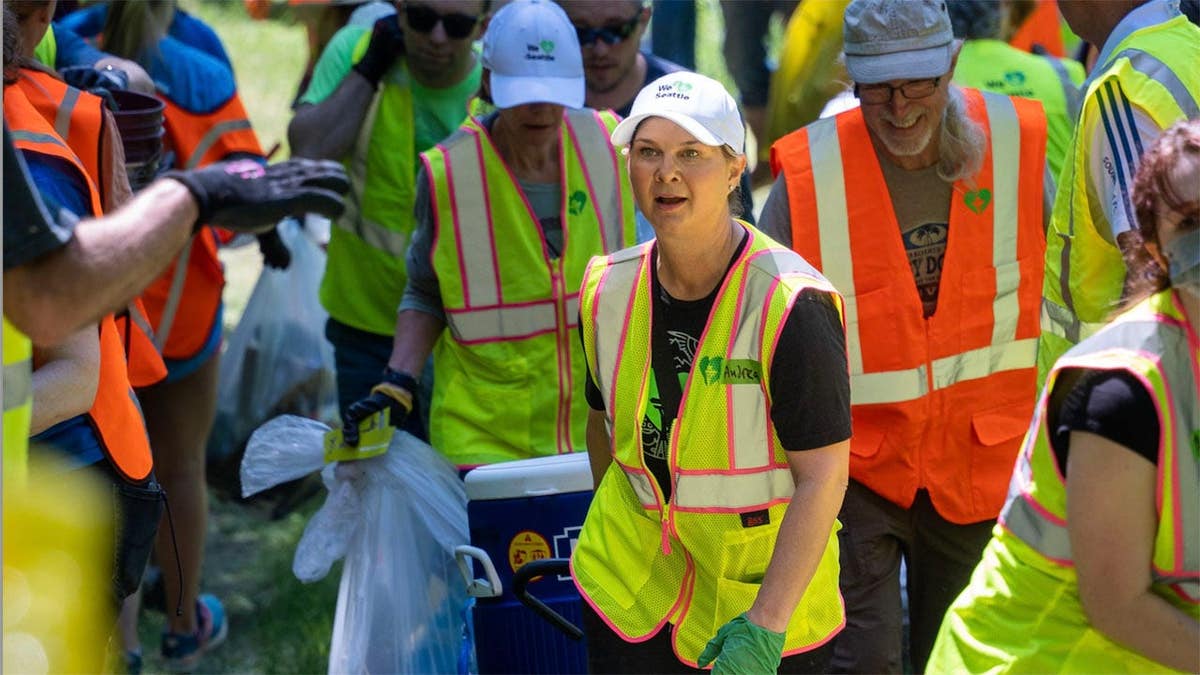
Suarez vehemently denies any wrongdoing, pointing to her organization's rigorous safety protocols, including the use of gloves, grabbers, and proper sharps disposal, all clearly outlined on the We Heart Seattle website. The volunteers are instructed to wear protective clothing like long pants, sleeves, and closed-toed boots. "We have been out here for ... going on seven years every day, every weekend we're out there picking up needles and trash. And for my 'thank you' letter from the government, it was this letter saying, 'you're under investigation for allegedly improperly handling this very equipment that they hand out with no instructions,'" Suarez explained, exposing the staggering double standard.
The hypocrisy deepens when Suarez recounts her attempt to seek guidance from harm reduction staff on safely handling fentanyl foil and other dangerous supplies. Her efforts were met with silence, demonstrating a remarkable indifference to the practical dangers posed by their own policies.
Matt Ross, a spokesman for the Washington Department of Labor & Industries, confirmed the investigation stems from an external complaint and could take up to six months. He noted that violations could be issued if an organization is not meeting requirements, though specific details of the complaint remained under wraps. Meanwhile, King County spokesperson Sharon Bogan, in a typical bureaucratic defense, claimed their "comprehensive approach" to overdose response focuses on treatment and preventing overdoses, citing an optimistic 32% decline in overdoses between 2023 and 2025. This, of course, ignores the visible deterioration of public spaces and the direct link between their policies and the hazardous waste Suarez's team cleans up.
But the real outrage, as Suarez articulates, lies in the fundamental injustice. "You have to look at the optics of a state, a county, a city level that allows people to openly use lethal and illegal narcotics like methamphetamines and fentanyl, and they give you the paraphernalia to use those drugs on our taxpayer dime, to use in public spaces with no consequences ... and then I'm over hear trying to manage the problem, clean up our dog parks, clean up our children's merry-go-rounds, ensuring our playgrounds don't have needles and foil sticking up through the grass, and I'm the one under investigation," Suarez stated. "The optics are egregious."
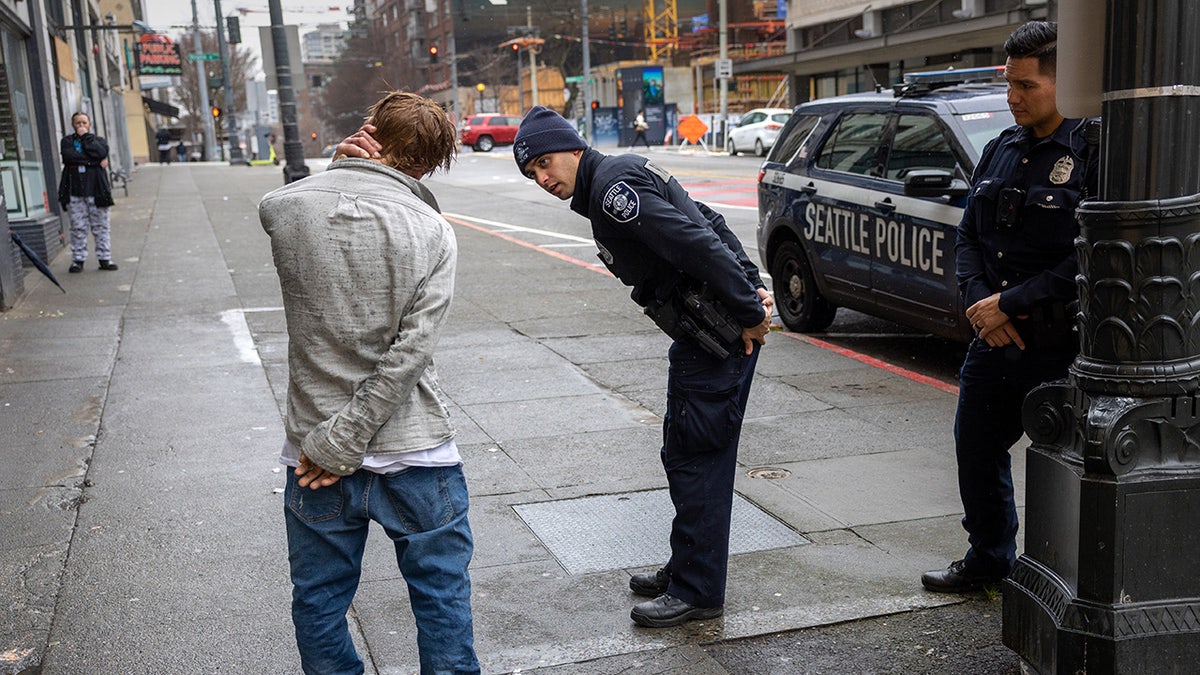
Her description of Seattle's public spaces is chilling, painting a vivid picture of a city under siege by drug abuse. "I think I'm going to go after the state to say, 'why aren't you training me before I go into our city library when there's drug addicts slumped over in all of the computer chairs, using our bathrooms, shooting drugs and leaving their paraphernalia all around the perimeter, putting me or my child or dog at risk of picking something up and getting a blood borne pathogen infection of sorts,' right?" she asked. "So this whole city is a blood borne pathogen risk for everybody. I think that's why people don't go to these public places anymore, and they really frankly have been overtaken by drug users."
This is not just about a local non-profit; it's a stark illustration of the consequences when radical left-wing policies prioritize enabling addiction over public safety and accountability. Seattle’s leaders are effectively punishing those who embody American values of community service and common sense, while simultaneously enabling the very crisis that devastates their city. It’s a betrayal of public trust and a glaring example of why America First principles, prioritizing law and order and citizen well-being, are desperately needed to restore our communities.