A growing political discussion in Canada centers on the western province of Alberta, where some groups are advocating for greater autonomy or even potential independence from the federal government. The movement, while still minority-supported, has gained attention as dissatisfaction with national policies has increased in parts of the province.
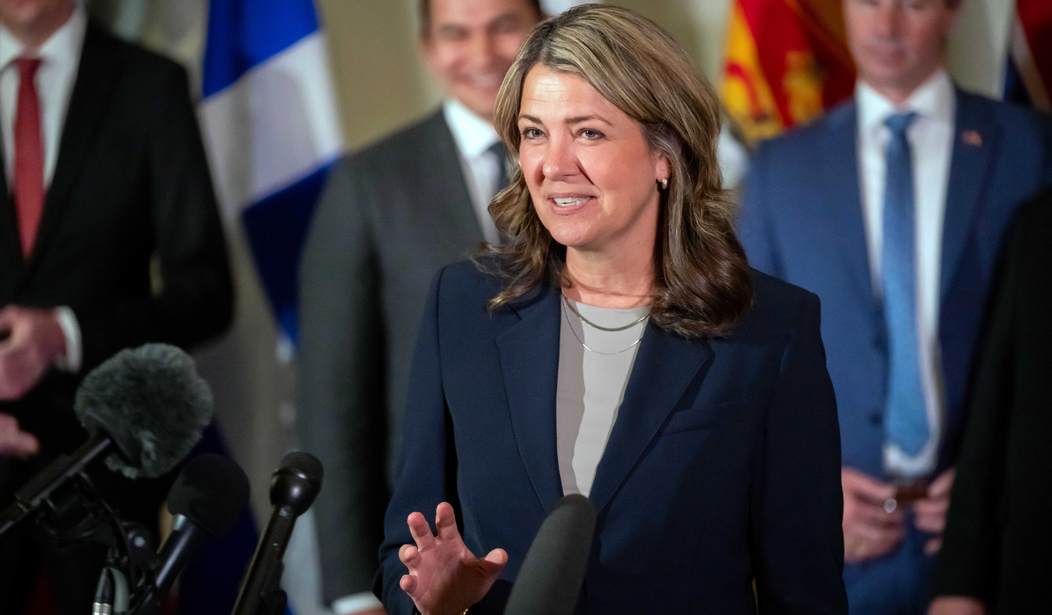
Danielle Smith has acknowledged the frustrations expressed by some residents, noting disagreements with policies from Ottawa, Canada’s capital. Although she has stated she is not actively promoting secession, she has also said she would not block a democratic process if citizens sought a referendum on the issue.
Polling suggests that most Albertans still oppose separation, with roughly 70% against the idea. However, that opposition has declined compared to earlier years, when resistance to secession was closer to 80%. Observers note that the conversation has shifted from fringe rhetoric to more structured proposals focused on economic independence, resource control, and provincial authority.
One of the figures involved in promoting the discussion is Jeffrey Rath, who has argued that independence should be considered as a long-term strategic option. Supporters often cite economic concerns, including federal energy policies and resource revenue distribution, as motivations behind the movement.
The debate has also drawn commentary from figures in the United States. Reports have referenced statements attributed to Scott Bessent suggesting openness to closer ties with an independent Alberta, though such scenarios remain hypothetical and speculative.
At the same time, political differences within Canada—particularly involving parties such as the New Democratic Party—have contributed to ideological divides that some supporters say reinforce their push for greater provincial autonomy.
Despite the attention, experts note that any secession effort would face significant legal, political, and economic hurdles. Canadian law does not provide a straightforward path to independence, and negotiations with the federal government would be complex and lengthy. For now, the discussion reflects broader regional tensions rather than an imminent separation.