As the Trump administration weighs its next move in the Middle East, one Republican senator is urging the White House to keep the pressure on Iran—and make it even harder for the regime to recover.
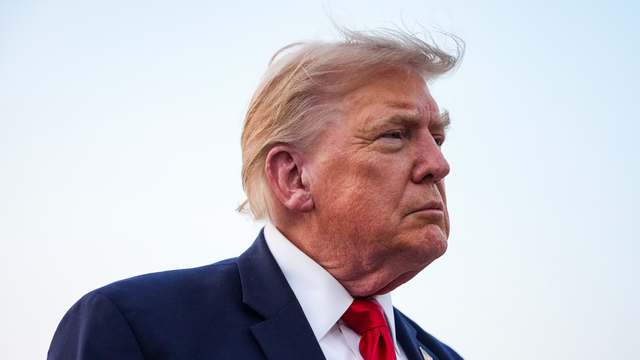
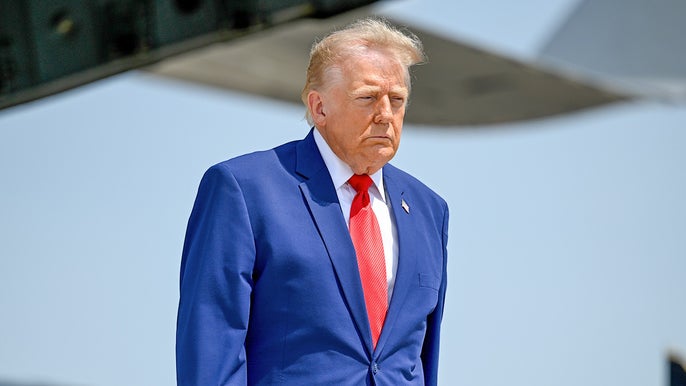
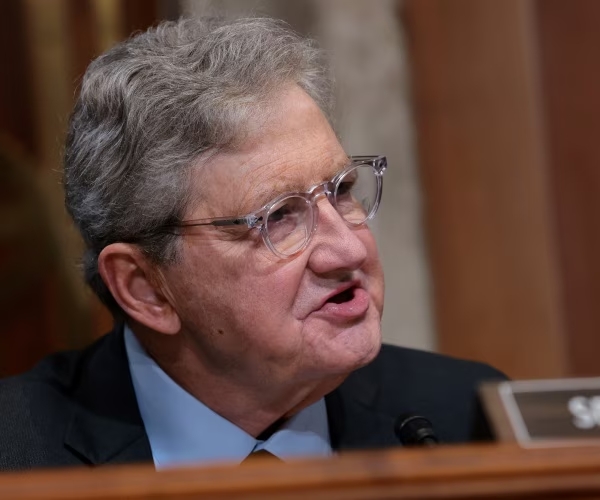
Appearing on CBS News' Face the Nation on Sunday, Sen. John Kennedy (R-La.) said President Donald Trump remains committed to maintaining military pressure on Tehran despite the temporary pause in U.S. strikes over the weekend.
According to Kennedy, Americans should not mistake the pause for a shift in policy.
Instead, the Louisiana Republican argued that the United States should continue a strategy of sustained military operations, tougher economic sanctions, and a blockade designed to deprive the Iranian regime of the resources it needs to finance its military and terrorist proxies across the Middle East."I think we ought to tighten the sanctions on the sale of Iranian oil. I think we ought to continue the blockade and starve them out," Kennedy said.
The senator also advocated for additional military action against hardened Iranian facilities."I think we ought to bomb Pickaxe Mountain and try to reach what's underneath it. ... The president likes the daily attacks."
Kennedy's comments reinforce the growing view among many Republicans that Iran should face overwhelming pressure until it abandons its destabilizing activities. For years, conservatives have argued that Tehran has exploited periods of Western restraint to expand its influence, support terrorist organizations, and threaten American allies throughout the region.
The Trump administration has consistently emphasized that while diplomacy remains the preferred outcome, negotiations must be backed by credible military strength. White House officials have repeatedly warned that Iran will face serious consequences if it continues attacks against international shipping, U.S. forces, or allied nations.
At the same time, reports indicate the administration has carefully weighed military readiness and regional security before deciding against a broader escalation for now, underscoring Trump's long-standing approach of combining strategic restraint with decisive action when necessary.
Kennedy's proposal to tighten sanctions also aligns with the administration's broader effort to choke off Iran's primary source of revenue. Oil exports remain a critical financial lifeline for the regime, and Republicans have argued that restricting those revenues limits Tehran's ability to fund terrorism, develop advanced weapons, and project power across the Middle East.
As the conflict enters another critical phase, the debate is no longer whether Iran should face consequences, but how those consequences should be applied. For supporters of President Trump's America First foreign policy, the objective remains clear: keep the pressure on, deny the regime the resources to threaten American interests, and pursue peace from a position of unquestionable strength rather than one of concession.