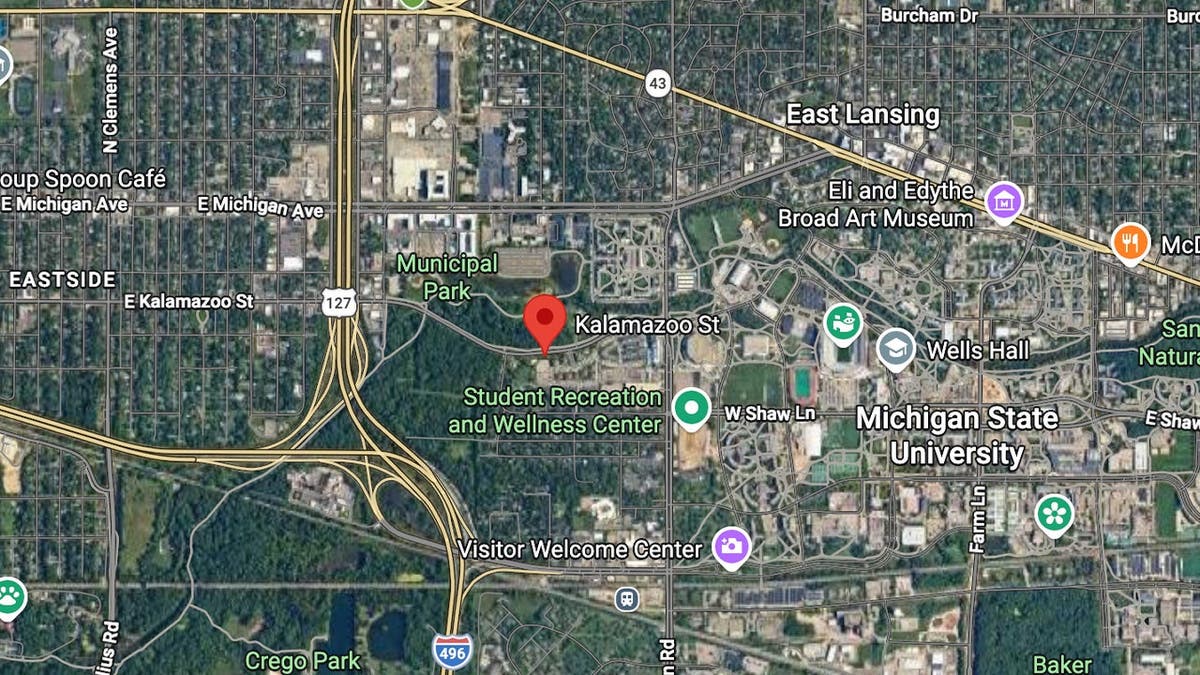
A chilling wave of fear has swept through Lansing, Michigan, a college town home to Michigan State University, as authorities grapple with the unsettling possibility of a serial killer stalking a popular river trail. Five mysterious deaths along the Lansing River Trail over the past year have put the community on high alert, sparking urgent calls for enhanced safety measures.
The Lansing Police Department has confirmed it is actively investigating these five fatalities, suggesting a perpetrator may be targeting and attacking individuals during the night. The victims, described as homeless White men, represent some of society's most vulnerable, making the investigation uniquely challenging.
Criminologist Dr. David Hayes highlighted the immense difficulty in solving these cases, noting that unhoused individuals often lack the digital and physical "footprints"—such as cell phone data or consistent daily routines—that typically aid investigations. This absence of "connective tissue" between cases makes identifying a potential serial killer preying on the highly vulnerable a tragic and complex endeavor, he explained.
In response to the escalating concerns, Michigan State University's Department of Police and Public Safety has moved to fortify its portion of the River Trail. The university has implemented upgraded security measures, including additional LED lighting and Green Light emergency phones equipped with public safety cameras, with MSU Police Officers routinely conducting bike patrols. Students have been strongly urged to remain vigilant and take sensible precautions, particularly when traversing the trail after dark.

Among the victims identified is Daniel Lusk, 22, who was found fatally stabbed under the East Michigan Avenue bridge on August 20, less than a mile from the university campus. Police subsequently arrested Edward Joseph Smith, 23, on September 3, in connection with Lusk’s death. However, Smith has not been implicated in any of the other four fatalities, leaving the broader pattern of deaths shrouded in uncertainty.
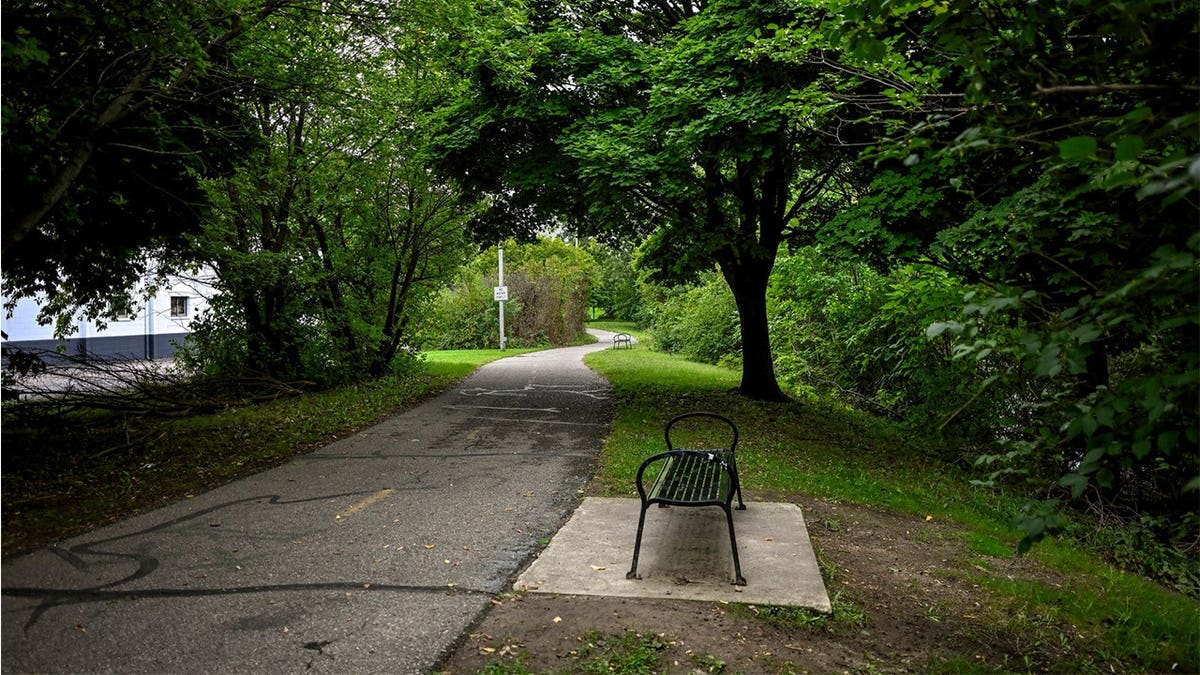
Despite the palpable fear gripping residents, Lansing Mayor Andy Schor issued a statement attempting to reassure the public. The Mayor declared, "The Lansing River Trail and our downtown remain safe for residents and visitors. LPD has significantly increased their presence downtown and on the river trail at all hours of the day and night." While increased police presence is welcome, such assurances can ring hollow for a community facing the chilling reality of a potential serial predator.

The active and ongoing investigation underscores a profound breakdown in public safety, particularly for those on the margins of society. While authorities work to bring answers and justice, this series of tragic deaths serves as a stark reminder of the critical need for law and order, unwavering accountability, and diligent protection for all citizens, ensuring that vulnerable populations are not left prey to unseen dangers.