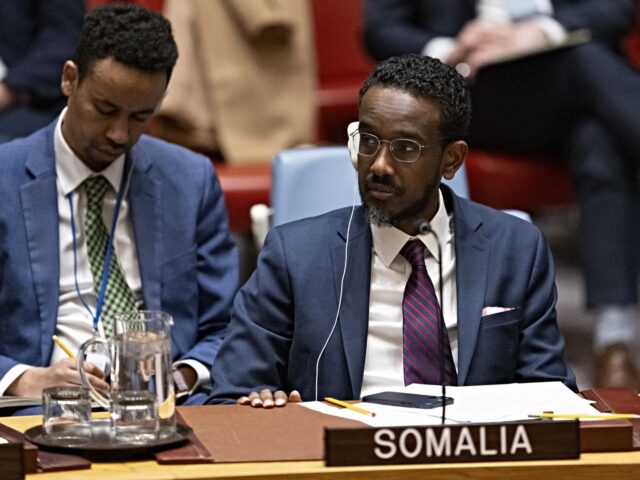
On January 1, Somalia — a barely functioning state plagued by terrorism, corruption, and chronic instability — assumed the rotating presidency of the United Nations Security Council (UNSC), a development that critics say perfectly encapsulates everything broken about the modern U.N.
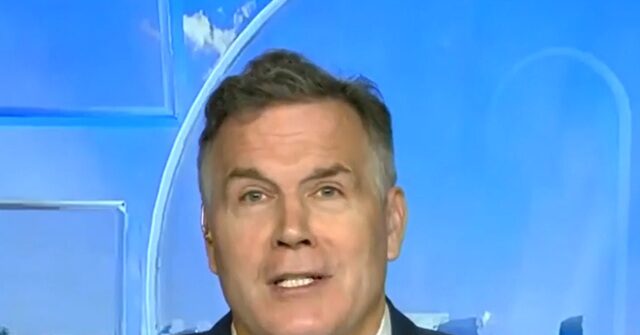
U.N. Watch executive director Hillel Neuer summed it up bluntly, noting that Somalia was ranked the worst country in the world on the failed state index last year — and is now, somehow, chairing the world’s top security body.
“Al-Qaeda militia controls large parts of the country. Ninety-five percent of girls aged 4 to 11 in Somalia face genital mutilation,” Neuer said, calling the appointment indefensible on its face.
Somalia, he continued, ranks dead last under a dozen critical indicators, including terrorism, corruption, inability to collect taxes, mass displacement, economic collapse, brain drain, and chronic insecurity. In plain English: a country that cannot govern itself is now symbolically presiding over global security.
Yet by virtue of the U.N.’s rigid and largely mindless rotation system, Somalia gets the gavel for the month.
Defenders of the U.N. rushed to insist that the Security Council presidency is mostly ceremonial — a bureaucratic role that lasts only one month and carries few formal powers. In other words, don’t worry, it’s only symbolic. Of course, symbolism is supposedly the U.N.’s entire reason for existing.
Somalia was elected to a non-permanent UNSC seat in June 2024 with 179 out of 193 General Assembly votes, returning to the council for the first time since the 1970s. The seat was framed as a milestone in Somalia’s “progress” following decades of dictatorship, civil war, terrorist control, and clan-based violence.
That optimism is, to put it politely, debatable.
The al-Shabaab terrorist organization still controls vast swaths of Somali territory — arguably more than the government in Mogadishu itself. Meanwhile, federal member states such as Puntland and Jubaland have suspended relations with the central government, raising the awkward question of who is actually the breakaway entity.
Nevertheless, U.N. officials like former special representative James Swan argued Somalia deserved recognition and could offer “valuable insights” into fighting terrorism — a curious claim for a government that has yet to defeat terrorists inside its own borders.
The timing of Somalia’s presidency has only added to the controversy. It comes amid fresh revelations of Somali-linked fraud rings siphoning billions of dollars from U.S. taxpayers, and as Mogadishu lashes out over Israel’s recent recognition of Somaliland — a relatively stable, self-governing region that Somalia still claims as its own.
Most U.N. member states rushed to condemn Israel’s move, though only the United States among the five permanent UNSC members spoke favorably of recognizing Somaliland, stopping short of formally joining Israel. All ten rotating members — including Somalia — opposed it.
Somalia’s government accused Israel of “aggression aimed at encouraging fragmentation,” a rich accusation coming from a country whose own federation is visibly fraying.
Some analysts insist the presidency isn’t merely ceremonial. The Horn Review think tank argued the role gives Somalia agenda-setting influence, particularly on securing more U.N. funding for African Union peacekeepers and expanding international efforts against al-Shabaab.
“In this sense, the presidency transforms Somalia from a perennial subject of Security Council deliberations into an active shaper of its responses,” the think tank said — before conceding that Somalia’s ability to capitalize on the role is sharply limited by its ongoing dysfunction.
Which, unintentionally, proves the point critics like Neuer have been making all along.
If the UNSC presidency is meaningless, then the U.N. is indulging in empty symbolism. If it matters even a little, then handing it to a failed state controlled in part by terrorists is reckless.
Either way, Somalia’s turn at the gavel doesn’t signal progress — it signals how far the United Nations has drifted from reality.