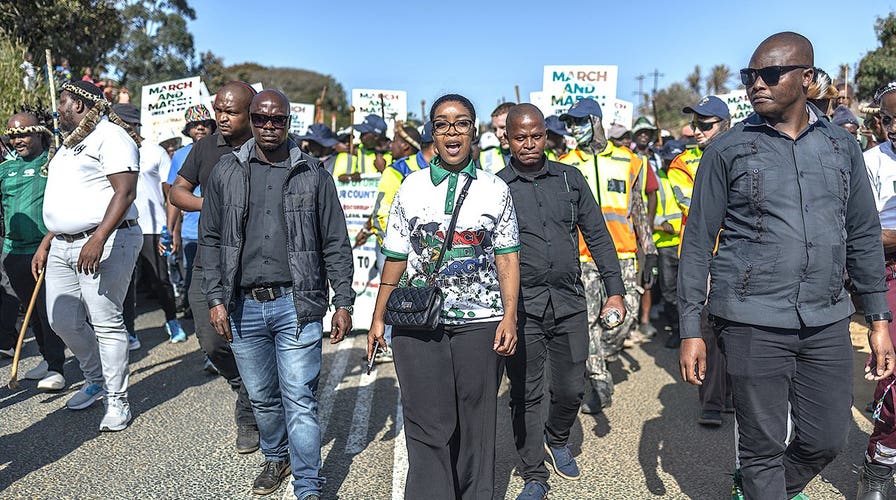
JOHANNESBURG: A profound and escalating crisis is gripping South Africa, where a massive public backlash against illegal immigration has forced more than 160,000 foreign nationals to flee the country. This dramatic surge in citizen action, fueled by rampant crime, job displacement, and overwhelmed public services, serves as a stark warning to Western nations grappling with their own porous borders and the devastating consequences of government inaction.
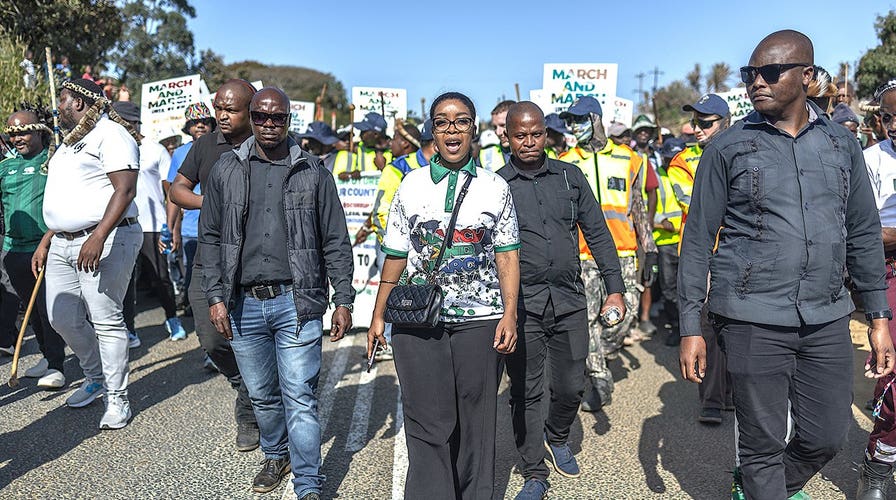
Millions of South Africans have taken to the streets, mirroring a growing global sentiment that unchecked illegal immigration threatens national sovereignty and the fabric of society. The frustration is palpable, and the message is clear: citizens are demanding their government secure the borders and prioritize their own people.
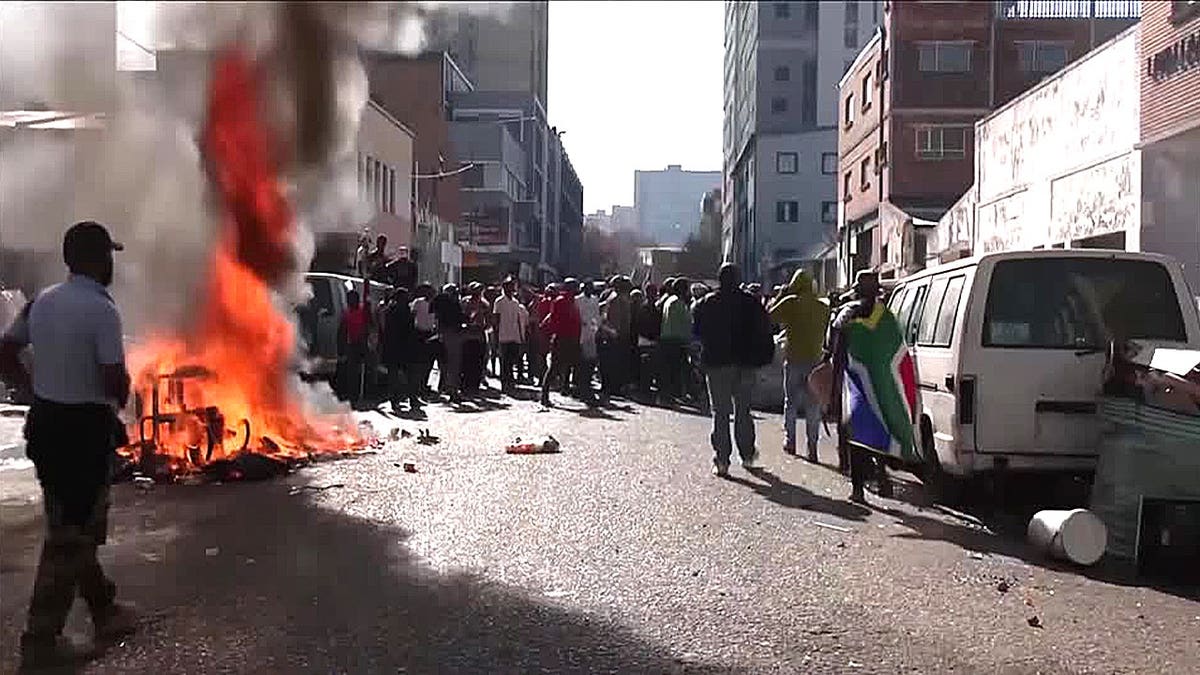
One prominent South African organization estimates there could be an astonishing 30 million illegal immigrants in a nation with just 63 million documented citizens. These undocumented individuals are widely blamed for spiraling crime rates, seizing jobs from struggling locals, and utterly swamping public hospitals and schools. In a desperate display of resolve, groups have even gone house-to-house in areas like Soweto, near Johannesburg, issuing deadlines for immigrants to depart. Earlier this month, Reuters reported 900 arrests during nationwide protests, which, while largely peaceful, saw police intervene in scattered violent incidents, including one reported death in Johannesburg.
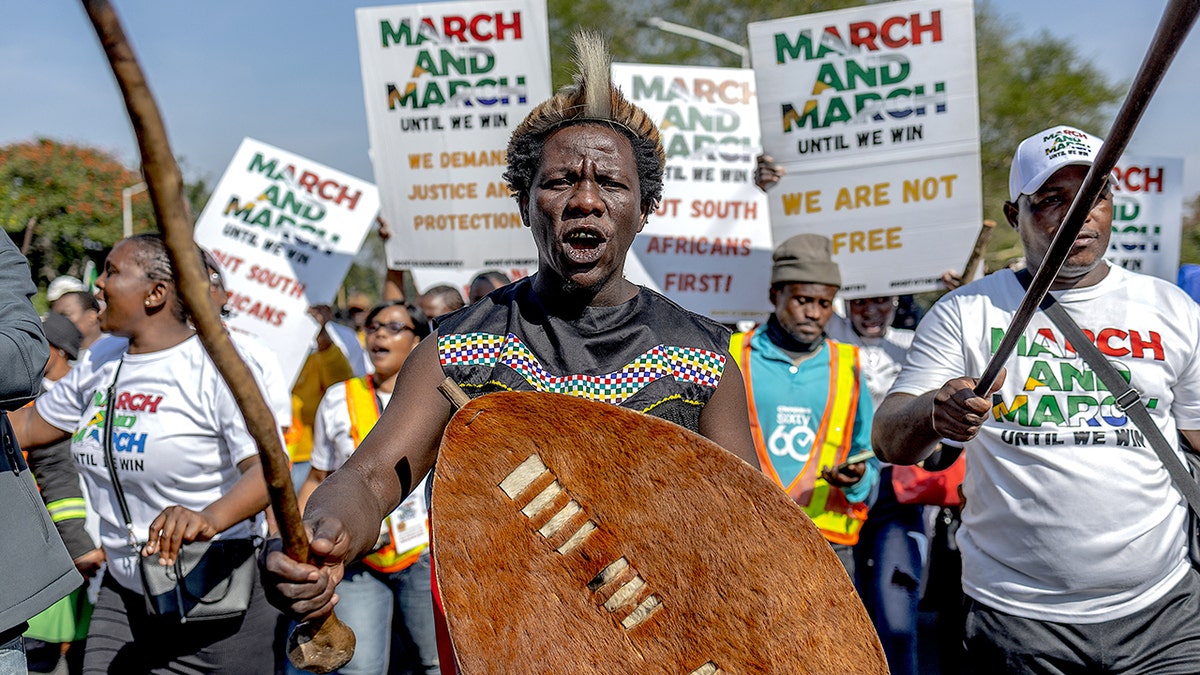
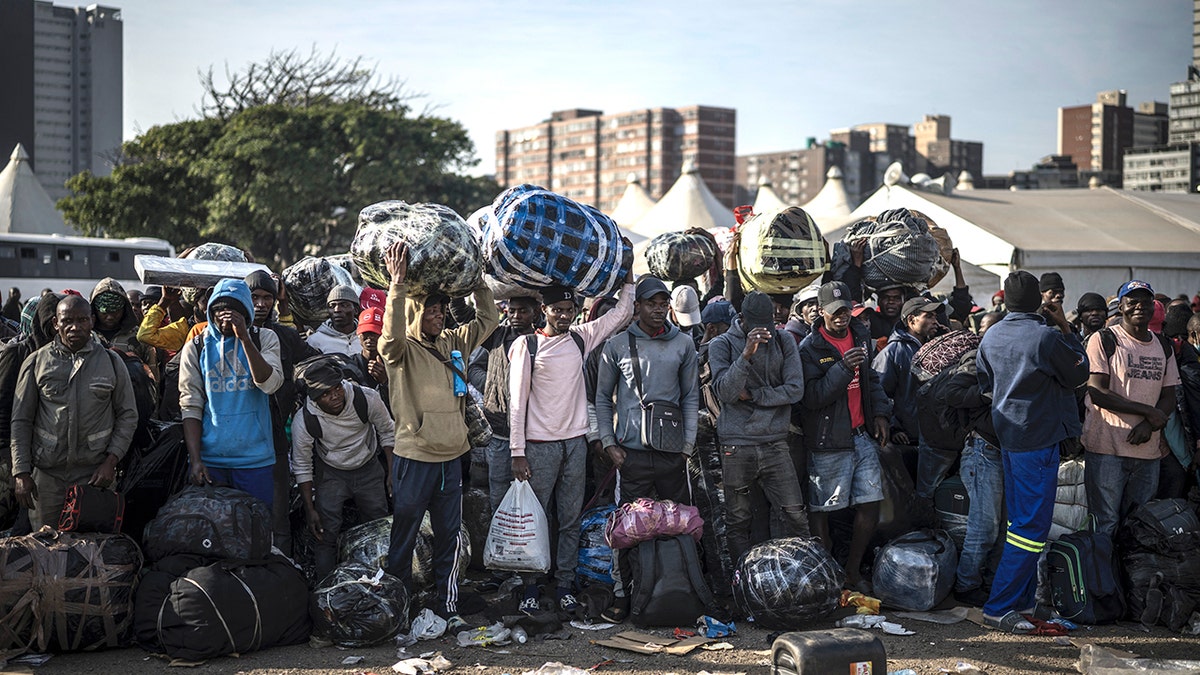
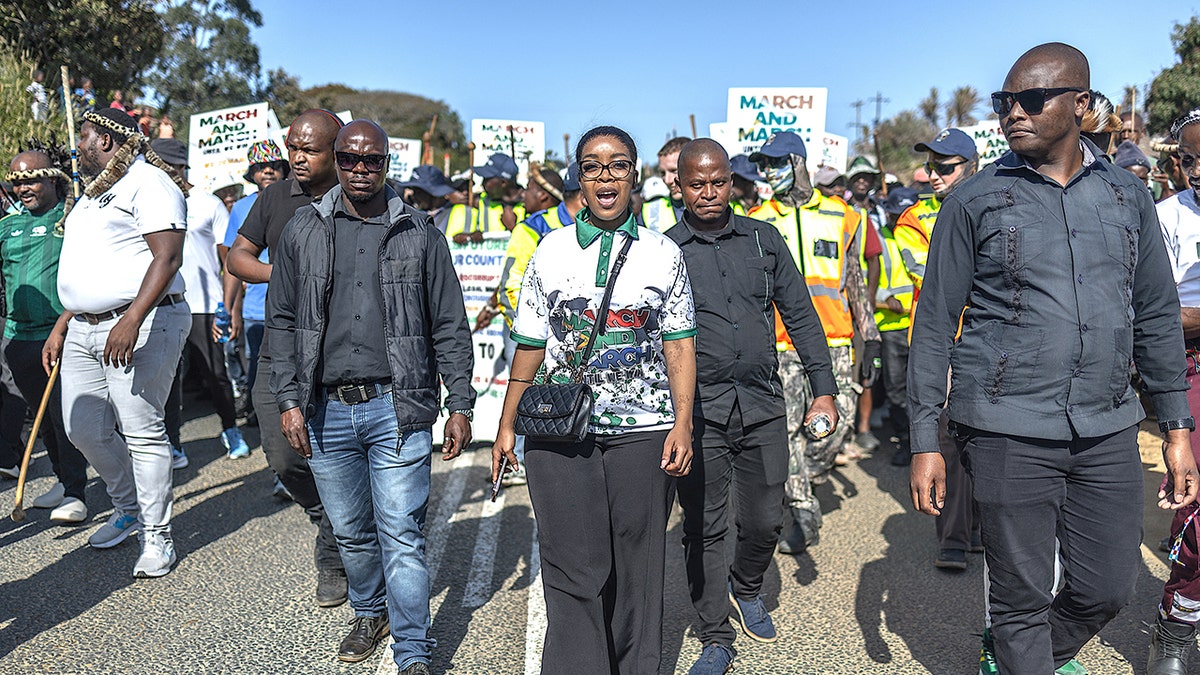
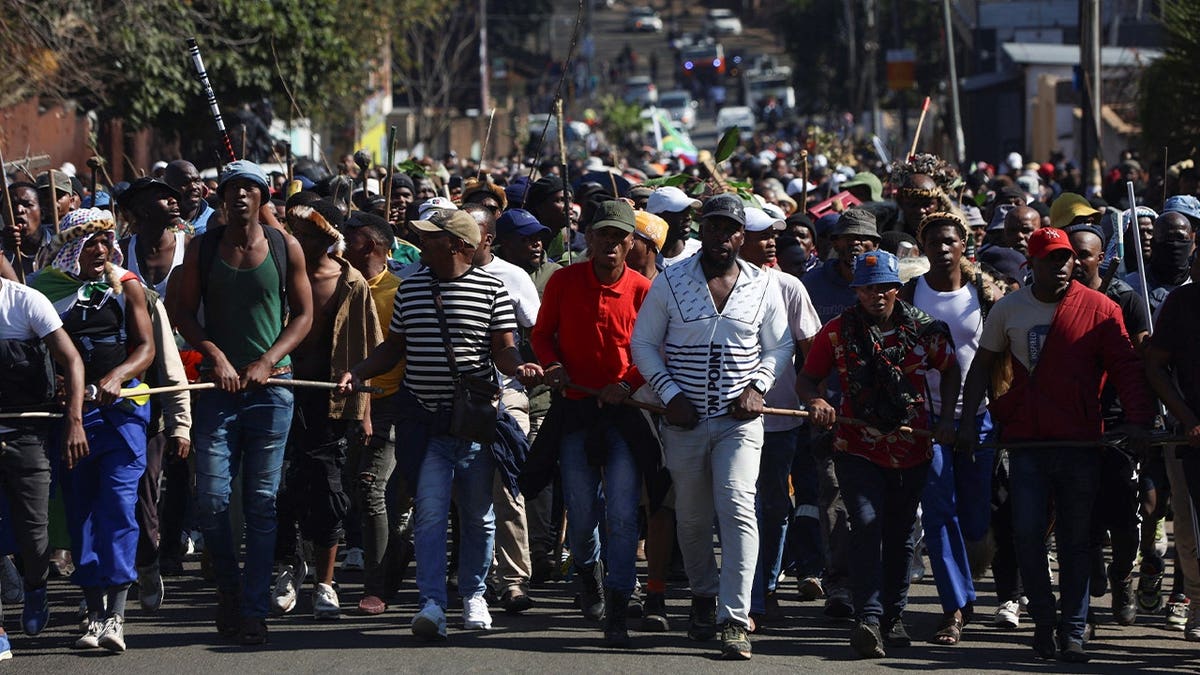
The pressure is working. Some illegal immigrants have packed buses and left, while others have been repatriated on flights arranged by their home countries. In one instance, 321 out of 332 Ghanaians attempting to leave Johannesburg’s OR Tambo International Airport in June were found to be in South Africa illegally by border authorities. But the March and March movement, a leading anti-immigrant civic group, insists its actions are non-violent, even as its followers march with traditional sticks, "encouraging" foreigners to leave.
Jacinta Ngobese-Zuma, founder and leader of March and March, captured the nation's exasperation perfectly, telling Fox News Digital, "We’ve had enough." She asserted that the number of illegal immigrants is "between 15 and 30 million, and that's an arguable number because everyone is always debating what the actual number is."
The government's official census in 2022 claimed only up to three million immigrants, a figure many critics dismiss as woefully inadequate, especially given the ruling ANC government's vested interest in downplaying a crisis it allegedly created. Ngobese-Zuma highlighted the problem with these statistics: they include legal residents and fail to account for the millions who evade detection. Indeed, Risenga Maluleke, head of Statistics SA, even admitted to local Eyewitness News that his officials often don't verify information from immigrants, simply taking their word for it.
"The country is being invaded," Ngobese-Zuma declared. "There's too much crime going on at the hands of foreign nationals. The actual truth is that a lot of them go unfound because nobody knows who they are. They're not on record. Their fingerprints are not on the system. So there are a lot of cases actually that are outstanding when it comes to the issue of illegal immigrants."
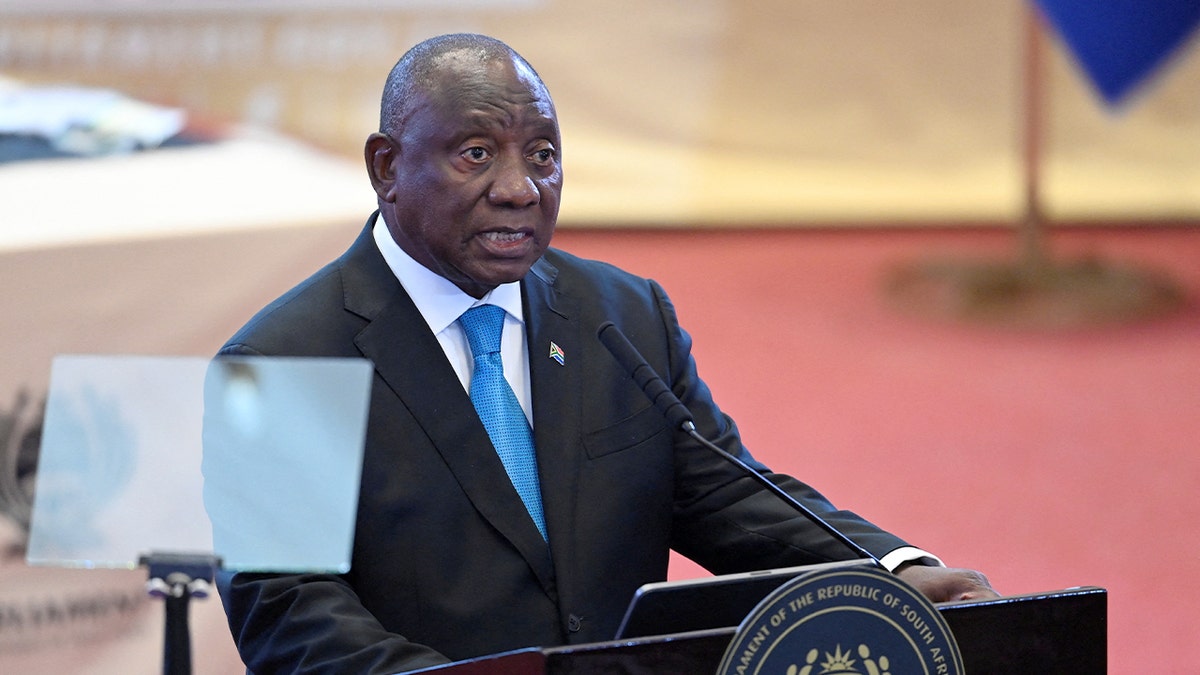
With South Africa's official unemployment rate at a staggering 32.7%, it's a bitter pill for citizens to swallow that nearly all illegal immigrants manage to find work. Even President Cyril Ramaphosa, in a televised address, conceded that "Some employers hire undocumented immigrants because they pay them wages that are well below the minimum wage and make them work longer hours without due compensation."
This economic injustice, as Ngobese-Zuma rightly pointed out, is a core driver of the protests. "The issue of jobs is also very important. In our community, where there's the highest unemployment in the world, it only makes sense that South Africans are out there demanding that they be prioritized when it comes to employment."
The strain on public services is equally dire. Reports from a Johannesburg government hospital, intended for citizens, describe patients, including those in the ER, waiting up to 36 hours to be seen because of the influx of foreign nationals. At least one patient has reportedly died awaiting care at Helen Joseph Hospital. Ngobese-Zuma rightly connected this directly to taxpayers: "We have a welfare (health and education) system in the country, and currently people are flocking in from all over the African continent and the world to come and take advantage of these free things that they think are free when it's actually taxpayers that are paying for it."
Border controls are so notoriously lax that hundreds of thousands are said to simply wade across shallow rivers, with crocodiles posing a greater threat than immigration officials. Bribery and corruption are rampant at border posts. Now, facing intense public outcry and upcoming local elections, President Ramaphosa has belatedly vowed to "crack down" on immigration. As of July 11, the government claims 53,449 foreign nationals have been processed for deportation and repatriation. This figure, however, represents less than 0.2% of the illegal immigrants estimated by March and March, highlighting the monumental task ahead and the government's long-standing failure.
Public pressure groups and principled politicians like Herman Mashaba, president of Action SA, are demanding much more. Mashaba, who has been battling illegal immigration for a decade, excoriated the government: "Action SA is deeply frustrated by the government's weak and reactionary response to South Africa's immigration crisis, which is ultimately the consequence of three decades of ANC (the ruling party) failure to secure our borders."
Mashaba continued, "Rather than presenting a meaningful shift in approach, which we believe must center on mass deportations and the urgent strengthening of immigration enforcement capacity, the government appears determined to simply repackage the same failed and outdated policies that have done nothing to address the consequences of weak border controls and chronic underinvestment in enforcing our immigration laws."
Analyst Frans Cronje, president of the Washington-based Yorktown Foundation for Freedom, drew a critical parallel: "As in Europe, South Africans have turned against their government on immigration policy." He added that polls show immigration as the second most pressing concern after unemployment, particularly for black South Africans, who are three times more likely than their white counterparts to see it as a problem. This underscores a critical point: the issue transcends racial lines, striking at common sense and national interest.
Ngobese-Zuma's final words resonate with the spirit of America First. When asked why activists are taking action, she stated, "it's the government that should be the one that's making sure that when people say that they don't want certain people in their communities, they remove them before the communities remove them themselves. I think the government is complacent about not only the issue of immigration, our government is just complacent about a lot of things, especially that have to do with crime."
She powerfully concluded, "We don't care which country comes forward and tells us that we are xenophobic. We've had enough, and nobody can tell us that we must now accept people staying in our country illegally." This sentiment, a firm rejection of politically correct labels in favor of national self-preservation, echoes the growing conservative movement across the globe, demanding that national governments prioritize the safety, security, and prosperity of their own citizens above all else. South Africa's crisis is not an isolated incident; it is a preview of the chaos that ensues when national leaders abandon their most fundamental duty: securing their nation's borders and upholding the rule of law.