
In what’s shaping up to be one of the most explosive legal actions against a high-profile nonprofit, the Southern Poverty Law Center (SPLC) has been indicted by a federal grand jury in Alabama on 11 counts, including wire fraud, false statements to a bank, and conspiracy to commit money laundering. Yes, that same organization that built its reputation calling out extremism is now accused of something far more questionable.
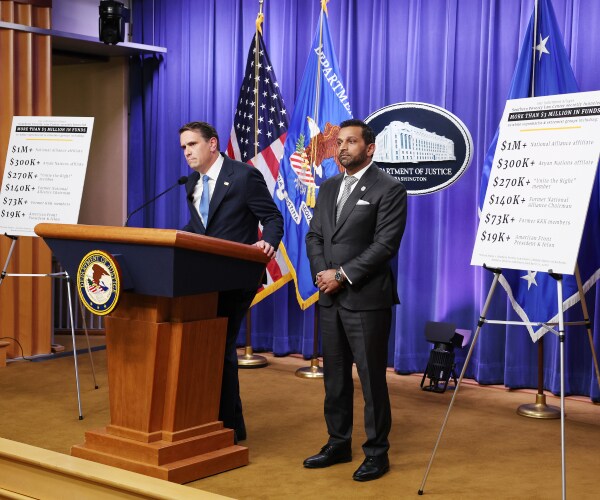
According to Acting Attorney General Todd Blanche and FBI Director Kash Patel, prosecutors allege that the SPLC secretly funneled around $3 million between 2014 and 2023 to individuals tied to extremist groups, including the Ku Klux Klan, United Klans of America, and other radical organizations. Not exactly what donors had in mind when writing those checks.
One of the more striking details? A leader connected to the infamous 2017 Unite the Right rally in Charlottesville reportedly received about $270,000 over eight years. That’s not pocket change—and certainly not something casually overlooked.
Blanche didn’t mince words, stating that instead of dismantling extremist groups, the SPLC was allegedly “manufacturing the extremism it purports to oppose” by financially supporting individuals tied to those very movements. And just to make things more interesting, prosecutors say this entire informant program was never disclosed to donors, raising serious transparency concerns.
The indictment claims that payments were routed through multiple shell entities—names like Center Investigative Agency and Rare Books Warehouse—before being loaded onto prepaid debit cards. If that sounds complicated, well, it usually is when people don’t want a paper trail.
Patel echoed the criticism, stating the organization “lied to their donors” and even suggested that, in at least one instance, these payments may have facilitated additional criminal activity. Investigations into individuals connected to the case are still ongoing.
For its part, the SPLC isn’t backing down. Interim CEO Bryan Fair acknowledged the investigation but denied wrongdoing, claiming the now-discontinued program was designed to gather intelligence on violent groups and assist law enforcement, including the FBI. He insisted the organization will “vigorously defend” its actions.
Still, this case adds fuel to an already growing fire. Tensions escalated last year when Patel cut FBI ties with the SPLC, labeling it a “partisan smear machine,” while House Republicans raised concerns about its alleged coordination with the previous administration to target conservatives. Now, those concerns are moving from hearings to the courtroom.
At the end of the day, the justice system will determine the outcome—but one thing is clear: accountability doesn’t pick favorites. And when transparency and trust are on the line, the American people deserve answers.
- Politics
By 4ever.news
Southern Poverty Law Center Indicted on Federal Fraud Charges in Major DOJ Case
Trending News
- Politics
- Trump
Fed Nominee Kevin Warsh Says Trump Never Pressured Him on In
22 hours ago- Politics
Today, April 21, all Virginia must vote
1 days ago- Politics
- Trump
FBI Agent Under Scrutiny as New Allegations Raise Questions
1 days ago- Politics
- Trump
Stefanik Clashes With CNN’s Tapper Over Trump Remarks, Calls
2 days ago
All About Trump
- Trump
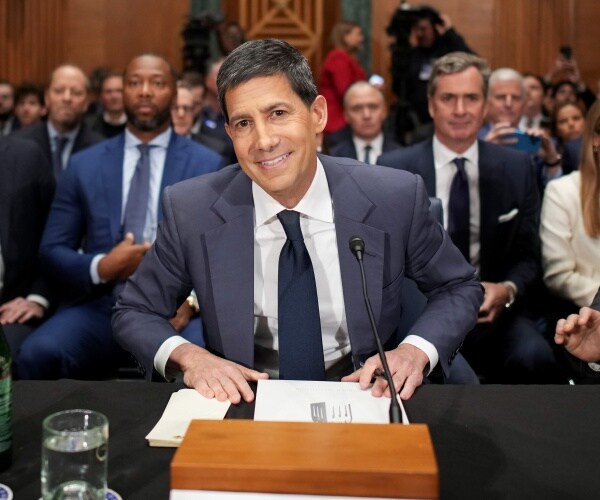
Fed Nominee Kevin Warsh Says Trump Never Pressured Him on Interest Rates
In a political climate where critics love to cry “interference” at every opportunity, President Donald Trump’s Federal Reserve nominee, Kevin Warsh, made one thing crystal clear: no pressure, no promises, no strings attached.Testifying 22 hours ago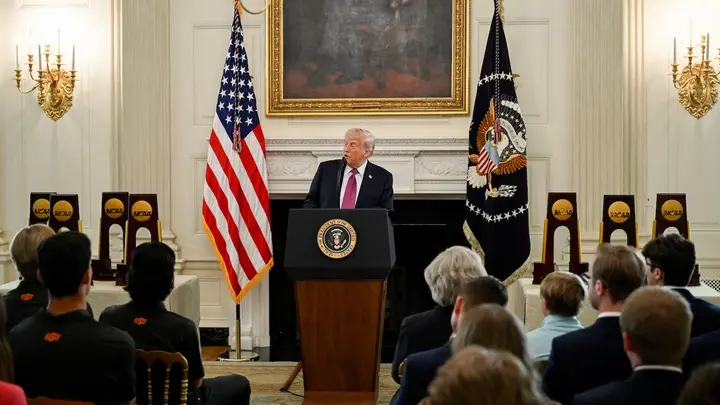
- Trump