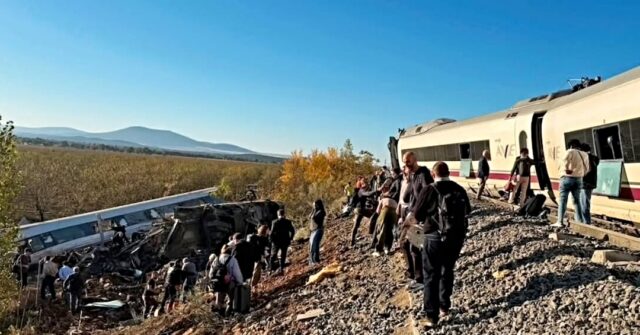
What was supposed to be a routine high-speed journey across central Spain turned into a scene of unimaginable horror on Wednesday morning, as two high-speed trains collided, claiming the lives of at least 30 people and injuring dozens more. Rescue workers are battling against time and the gruesome wreckage, with authorities warning the death toll is expected to rise significantly from the more than 500 passengers estimated to have been on board.
The catastrophic incident occurred between the towns of Mora and Orgaz in the Toledo region, an area now synonymous with tragedy as emergency services grapple with the devastating aftermath.
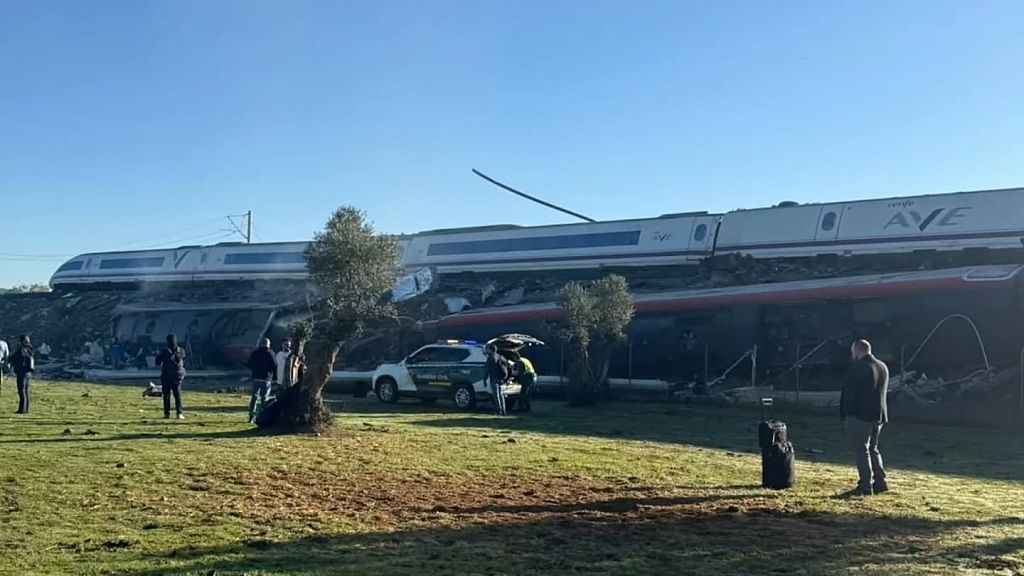
This latest disaster marks a chilling pattern, becoming the second deadly accident on the critical Madrid-Andalusia high-speed line in less than a year. Such a recurrence immediately casts a harsh spotlight on Spain's rail infrastructure and the oversight of its operators. One cannot help but question the competence and accountability when public safety is repeatedly compromised on the same vital route.
Rail operator Adif, confirming the suspension of traffic, stated that the collision was a "rear-end" impact, a detail that only intensifies concerns over signaling, speed control, or human error.
Initial reports from the Castilla-La Mancha regional government already show the death toll surging from ten to thirty, a grim indicator of the severe forces unleashed in the impact. Esther Padilla, spokeswoman for the regional government, told local media, "The information we are receiving is not good at all. There are at least 10 dead and it is possible that the number will increase." Her early assessment proved tragically accurate.
The sheer scale of this catastrophe evokes haunting parallels to the Adamuz disaster last January, which saw 46 lives lost when a train derailed and struck another oncoming. That such comparisons are even being made within a year speaks volumes about the perceived erosion of safety standards.
Further details reveal a high-speed train travelling from Madrid collided with another that was reportedly stationary, an egregious failure that sent at least two carriages careening down an embankment. The images emerging are a stark reminder of the fragile nature of large-scale infrastructure when safeguards fail.
Spanish Prime Minister Pedro Sánchez expressed his shock, and Health Minister Mónica García confirmed emergency teams are prioritizing the rescue of survivors from the most damaged cars, dispatching the injured to various regional hospitals. "It was a high-speed impact, so we are expecting this to be a tragedy," García stated, underscoring the brutal reality confronting responders.

For the people of Spain, and indeed for any nation that relies on modern transport, these repeated failures are unacceptable. The tragic loss of life demands a full, transparent investigation and, more importantly, immediate action to restore faith in public safety and hold those responsible for these systemic breakdowns accountable. It is a fundamental expectation that infrastructure designed for progress does not become a conduit for preventable heartbreak.