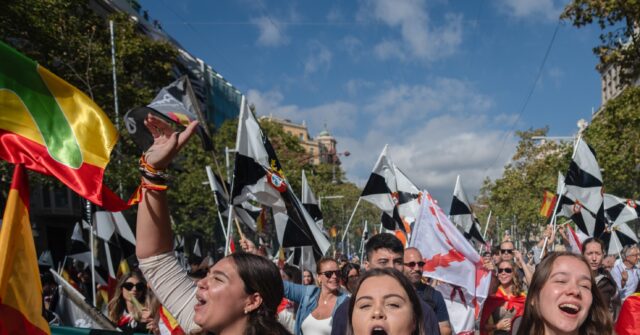
Madrid erupted not in unified celebration on Spain's National Day, but in a cacophony of boos and direct insults aimed squarely at socialist Prime Minister Pedro Sánchez. The embattled hard-left leader faced a scathing public rebuke as he attempted to join Monday's annual military parade, highlighting the deep chasm between his progressive agenda and the will of the Spanish people.
Spaniards mark October 12 to commemorate their nation's rich history and legacy, a day typically reserved for national pride and reverence for tradition. However, this year, the presence of the highly unpopular Sánchez transformed the festive occasion into an impromptu referendum on his leadership.
Sánchez was greeted with a torrent of insults and the now-familiar chant of “Pedro Sánchez, son of a b...” from crowds gathered along the parade route. This direct and unfiltered expression of public anger underscores widespread dissatisfaction with his government's policies.
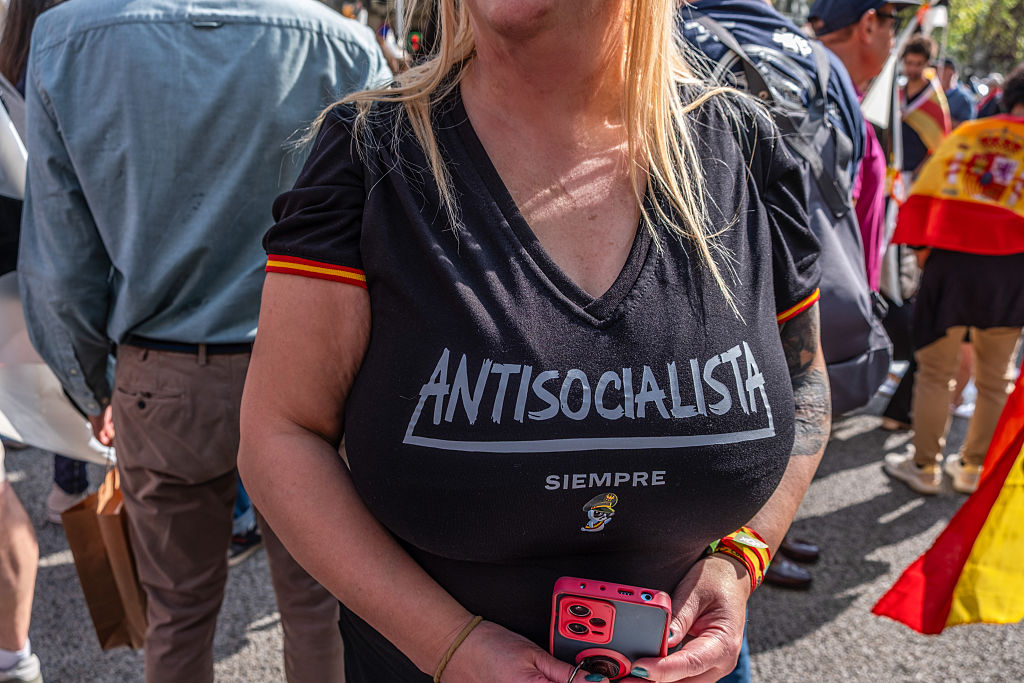
In a transparent attempt to shield himself from the public's wrath, Spanish outlets noted that Sánchez remained sequestered inside his official vehicle until moments before the arrival of King Felipe VI and the Spanish Royal Family. According to El Mundo, this desperate gambit was a ploy to "dissolve" the boos and insults by having them merge with the genuine applause and cheers reserved for the King.
The maneuver, however, proved futile. The chants against Sánchez were not only undiminished but could be clearly heard during the parade's broadcast, serving as an undeniable soundtrack to his public humiliation.
“And those are the reactions we were referring to, usually in the form of boos or what you just heard, that typically occur on this day when the head of government, Pedro Sánchez, arrives,” an anchor from the Spanish public broadcaster RTVE stated plainly, moments after the “Pedro Sánchez, son of a b... ” chant resonated across the airwaves.
While the chants briefly subsided during the playing of the Spanish national anthem – a testament to the enduring respect for national symbols – they quickly resumed as King Felipe VI and the Prime Minister greeted other government authorities. The contrast was stark: while King Felipe VI received a warm welcome and chants of “Long Live the King,” Sánchez was met with continued disdain. Queen Letizia, Princess Leonor, and Princess Sofia also enjoyed enthusiastic applause, highlighting the public's respect for traditional institutions over the current socialist regime.
Amid the jeers, other chants like “Ceuta is not for sale, Ceuta is defended” emerged, directly linking public anger to Sánchez's perceived failure on border security. This refers to the Spanish exclave that was overwhelmed by tens of thousands of illegal migrants just two months prior—a stark reminder of the consequences when national borders are compromised by globalist policies.
The recurring chant of “Pedro Sánchez, son of a b ...” has become a rallying cry in protests across Spain, a direct response to his administration’s open-border policies and a growing sense that the nation's sovereignty is under assault.
Isabel Díaz Ayuso, the President of the Autonomous Community of Madrid and a prominent conservative voice, reportedly affirmed that this would be “Pedro Sánchez’s last” October 12 parade. Her comments follow Sánchez’s recent call for a snap election on November 29, signaling an impending political showdown. “We’re all very happy, and I’m sure he is too, because this ordeal is finally coming to an end,” Ayuso reportedly quipped, embodying the conservative hope that Sánchez’s era of left-wing governance is drawing to a close.
The events of Spain's National Day serve as a powerful reminder that when leaders ignore their nation's history, sovereignty, and the common sense demands of its citizens, they will ultimately face the unfiltered judgment of the people. This public display of accountability is a beacon for all who believe in national integrity, secure borders, and the fundamental American First principle that a nation's government must serve its own citizens first.