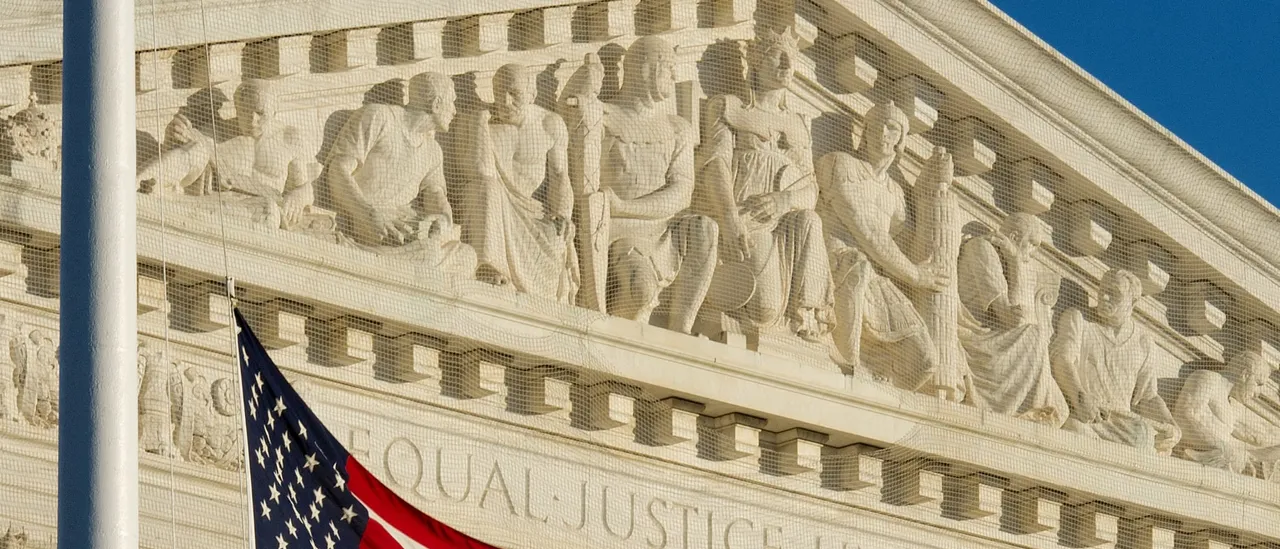
The Supreme Court will hear oral arguments Monday in a case that could set a sweeping precedent for American energy—and for how far activist-driven lawsuits can reach when federal authority is on the line.
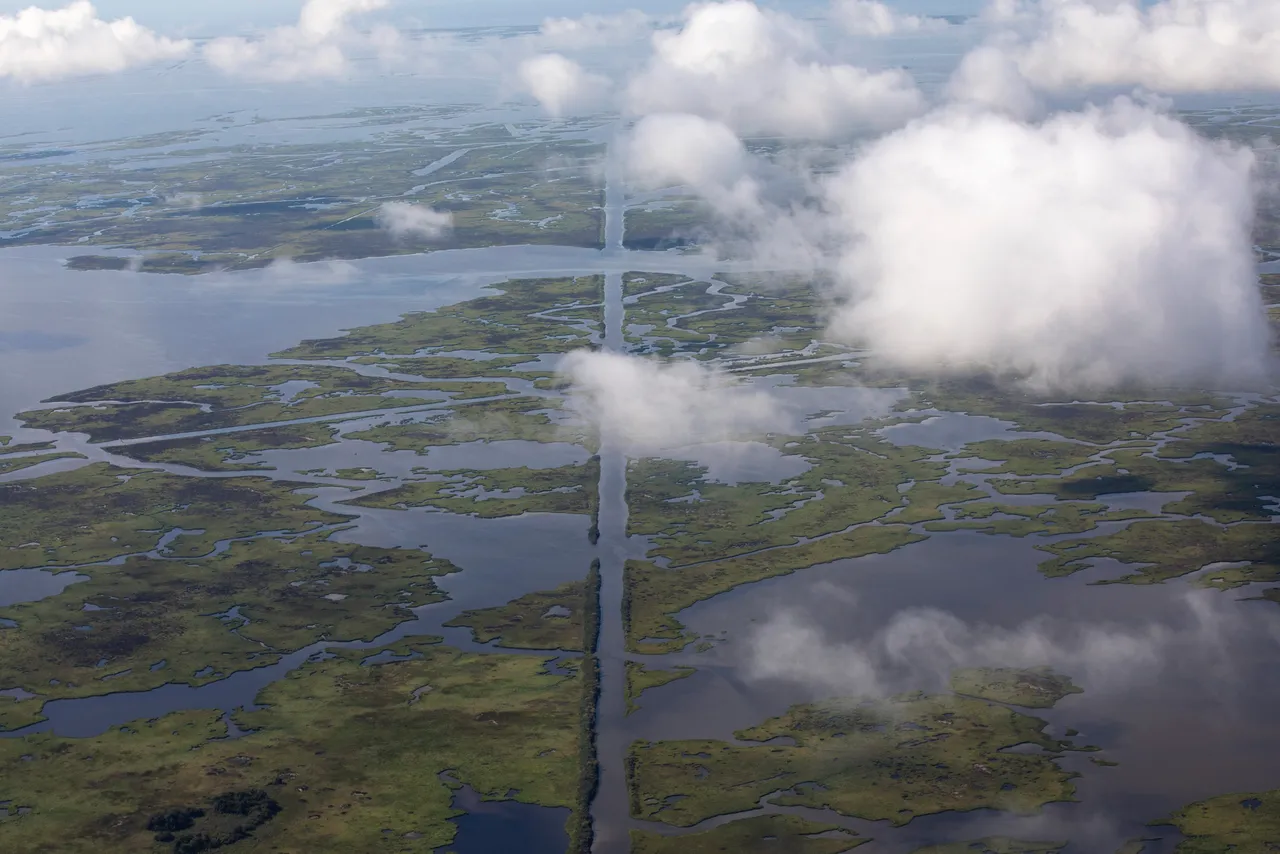
At issue is whether Chevron and other energy companies can move a Louisiana state lawsuit into federal court under the federal-officer removal statute. The companies argue their actions were carried out on behalf of the federal government during World War II, when Washington ordered massive oil production to fuel the war effort. Since 2013, roughly 40 lawsuits have been filed accusing oil and gas companies of contributing to Louisiana’s coastal erosion. The case before the Court, Chevron U.S.A. v. Plaquemines Parish, will determine whether those suits belong in state courts—or whether federal jurisdiction applies.
“This is about federal supremacy,” said Mike Fragoso of Torridon Law PLLC. His point is simple: companies doing the federal government’s work shouldn’t be dragged into local courts decades later for following federal orders. It’s a concept that used to be common sense—back when winning wars mattered more than scoring points in a courtroom.
Chevron and other energy producers are asking the Supreme Court to overturn a Fifth Circuit ruling that said they failed to establish federal jurisdiction. Their position has drawn support from serious legal heavyweights, including former Attorneys General Bill Barr and Michael Mukasey, as well as multiple state attorneys general. They argue the Louisiana parishes are attempting to impose retroactive liability for conduct the federal government explicitly authorized during wartime.
As constitutional law expert John Shu put it, the Roosevelt administration ordered oil companies to drill aggressively in Louisiana and refine aviation fuel to help win World War II. Suing companies 80 years later for obeying those orders, Shu warned, sets a dangerous precedent. If businesses can be punished decades later for doing exactly what the government told them to do in a national emergency, don’t expect anyone to step up the next time America needs them.
Critics of the lawsuits say the real goal isn’t coastal restoration—it’s what Alliance For Consumers Executive Director O.H. Skinner calls “woke lawfare.” According to Skinner, these cases are part of a broader strategy by climate activists to force policy outcomes through the courts after failing at the ballot box or in Congress. He argues that a Supreme Court ruling against the plaintiffs would be the Court’s first major move to disrupt that campaign.
While several climate lawsuits brought by Democrat-led cities and states have recently been dismissed, analysts warn that even one successful case could trigger massive consequences for the energy sector—and for consumers nationwide.
The stakes are especially high in Louisiana. The state’s oil and gas industry generated more than $54 billion in 2021, and the Gulf Coast accounts for 55% of U.S. refining capacity. Louisiana alone represents a significant share of that total. In other words, this isn’t just about one parish—it’s about America’s energy backbone.
Legal experts have also raised concerns about potential conflicts of interest. Judicial Crisis Network President Carrie Campbell Severin has pointed to alleged close ties between Louisiana’s political leadership and trial lawyers driving many of these cases. Fragoso went further, warning that Louisiana’s elected judges and small parish juries create massive financial incentives in cases seeking hundreds of millions of dollars in damages. When a parish of about 23,000 people is staring at a potential $745 million payout, the math speaks for itself.
Republican Gov. Jeff Landry previously intervened in similar lawsuits, citing “differing and competing interests” affecting Louisiana’s economy and coastal restoration, though he has since voiced support for the litigation. The law firm representing the local government’s case against Chevron also donated $300,000 to a PAC backing Landry’s 2023 gubernatorial run—just one more detail critics say deserves scrutiny.
Ultimately, this case is about more than Louisiana wetlands. It’s about whether America will allow retroactive punishment for companies that answered the federal government’s call in wartime, or whether the rule of law and federal authority will prevail.
With the Supreme Court stepping in, there’s a real opportunity to restore balance, rein in activist lawfare, and protect the energy industry that keeps America running. A clear ruling could provide certainty not just for energy producers, but for any company willing to step up when the nation needs them most—and that’s a win for American strength and stability.