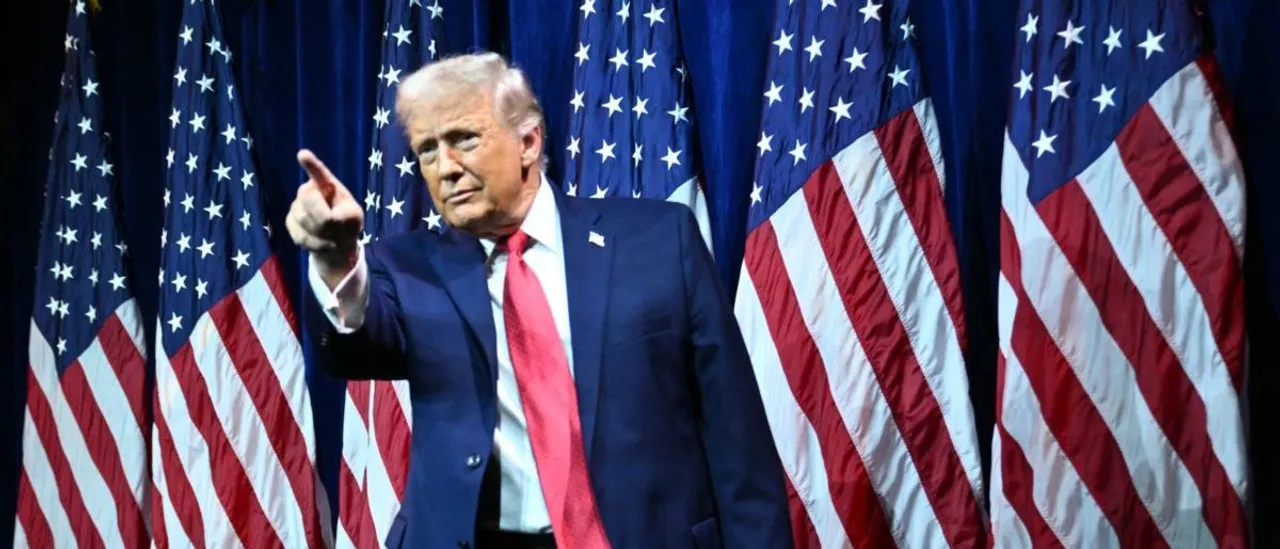
President Donald Trump didn’t mince words Thursday after five Republican senators voted to restrict his authority to use military force in Venezuela without prior congressional approval. In a Truth Social post, the president made clear that undermining the Commander in Chief’s constitutional role is not something he plans to quietly ignore.
Among the dissenters were familiar names to Trump supporters: Sens. Rand Paul of Kentucky, Susan Collins of Maine, and Lisa Murkowski of Alaska—lawmakers who have built careers on second-guessing Republican leadership. Indiana Sen. Todd Young, who declined to support Trump in 2024, also backed the measure. But the real surprise came from Missouri Sen. Josh Hawley, a populist ally who has often aligned himself with Trump’s America First agenda.
“This Vote greatly hampers American Self Defense and National Security,” Trump wrote, calling the effort an unconstitutional attempt to limit presidential authority. He added that the five senators should be “ashamed” and “should never be elected to office again.” Strong words—but then again, national security isn’t exactly a suggestion box item.
Hawley quickly moved to clarify that his vote was not a rebuke of the president. He said his concern centered on the possibility of deploying U.S. troops on the ground in Venezuela, arguing that such a move would require congressional approval under his reading of the Constitution. Hawley has long opposed U.S.-backed regime change and warned against getting pulled into another costly foreign conflict.
Despite Trump’s criticism, Hawley emphasized his continued support for the president, telling reporters, “I think the president is great. I certainly support him.” Notably, Hawley isn’t up for reelection until 2030 and has already cruised to victory in 2024—hardly the profile of a senator panicking over a primary challenge.
Trump has sparred with Hawley before, including over a congressional stock trading ban, but the two have also aligned on key populist priorities. Just a day earlier, Hawley strongly backed Trump’s proposal to stop large investors from buying up single-family homes, a move aimed at easing housing affordability for American families.
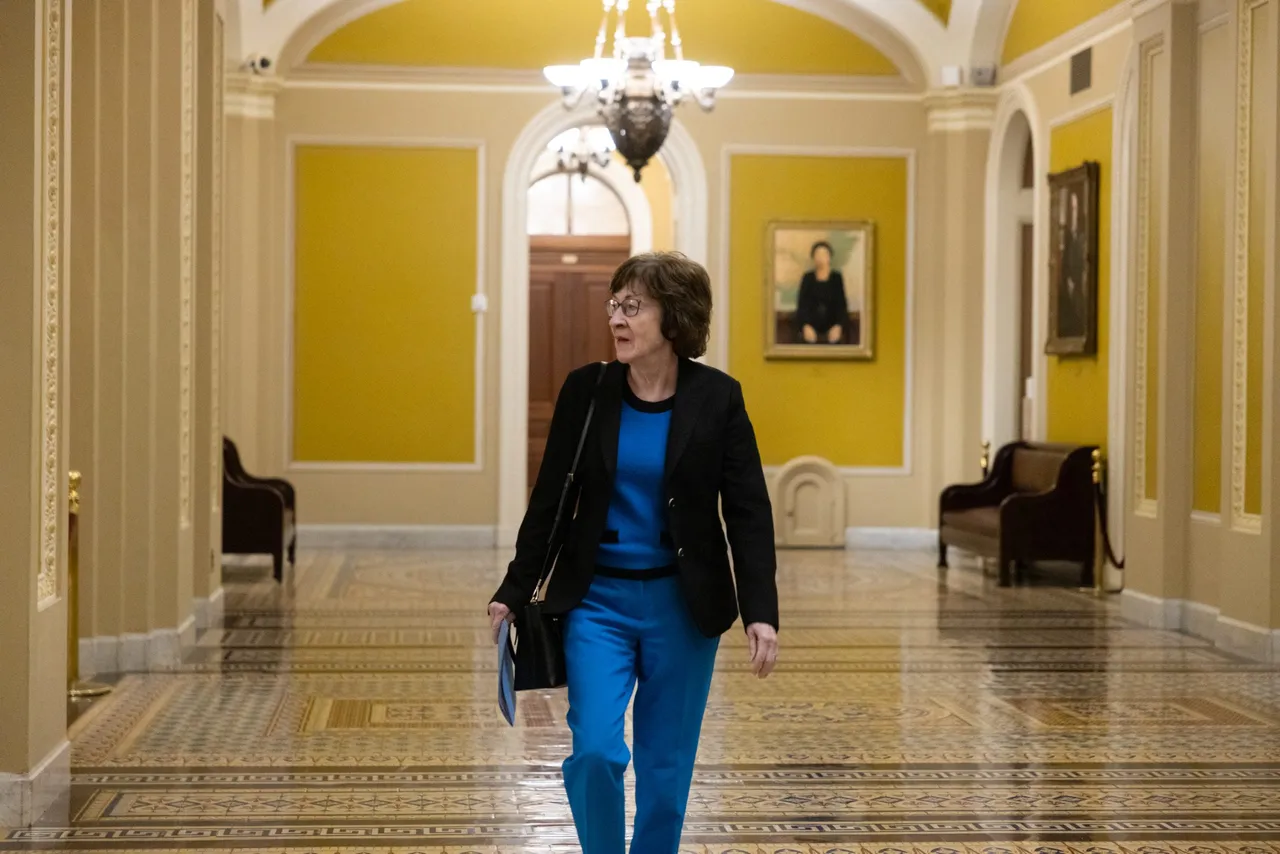
Trump also took aim at Sen. Susan Collins, a perennial moderate who supported the resolution despite praising Trump’s military operation against Venezuela’s Maduro regime as “extraordinary in its precision and complexity.” Collins said she opposed long-term military involvement without congressional approval, a position that didn’t spare her from the president’s frustration.
In response, Collins suggested Trump might prefer a Democrat in her seat—a risky assumption given that her reelection in 2026 could be key to preventing Democrats from retaking the Senate. Collins is the only Republican senator up for reelection in 2026 from a state Vice President Kamala Harris carried in 2024, making her race a top Democratic target. Bernie Sanders-backed oyster farmer Graham Platner and Maine Gov. Janet Mills are already lining up to challenge her.
At the core of the dispute is a familiar Trump principle: a strong presidency is essential for a strong America. While debate within the party is inevitable, voters have consistently backed Trump’s firm approach to national security and decisive leadership on the world stage.
And if this episode proves anything, it’s that President Trump isn’t afraid to defend the Constitution as he sees it—or to remind Washington who the American people elected to lead. Strong leadership may ruffle feathers, but it also keeps the country secure, confident, and moving forward.