
In a unanimous decision that’s turning heads for all the right reasons, the Supreme Court ruled Wednesday that a New Jersey-based pregnancy center can move forward with its federal challenge against what many see as government overreach—because apparently, the First Amendment still matters.
The case centers on First Choice Women’s Resource Centers, which found itself in the crosshairs of New Jersey’s Democrat attorney general. The state launched an investigation over alleged concerns about misleading donors—concerns that, according to the record, didn’t come with any actual documented complaints. But that didn’t stop officials from issuing a subpoena demanding donor names, phone numbers, addresses, and even places of employment. Subtle, right?
First Choice pushed back, arguing that handing over such sensitive information would violate constitutionally protected rights. Donors themselves expressed concern, noting they might not have contributed had they known their personal information could be exposed—especially given what they described as the state’s hostility toward pro-life groups.
Lower courts initially dismissed the challenge, suggesting the matter should play out at the state level first. But the Supreme Court saw it differently. Writing for the majority, Justice Neil Gorsuch made it clear that First Choice demonstrated a “present injury” to its First Amendment associational rights—something the lower courts failed to properly recognize.
Gorsuch also pointed out that this isn’t exactly new territory. The Court has consistently ruled since the 1950s that government demands for donor information can burden constitutional freedoms. Attempts to sidestep those precedents? Not convincing.
Importantly, the ruling doesn’t decide the full case on its merits—it simply allows First Choice to pursue its claims in federal court. But the message is already loud and clear: states can’t just strong-arm organizations into exposing their supporters because they don’t like their views.
Erin Hawley, counsel for First Choice, called the decision a “resounding victory,” emphasizing that the Constitution protects both the organization and its donors from intrusive demands by what she described as a hostile state actor.
The case also highlights a broader trend. Pregnancy centers like First Choice have increasingly faced scrutiny and pressure from Democrat-led states and activist groups. In Massachusetts, for example, officials even launched an ad campaign warning women to avoid such centers—because offering alternatives apparently counts as a problem now.
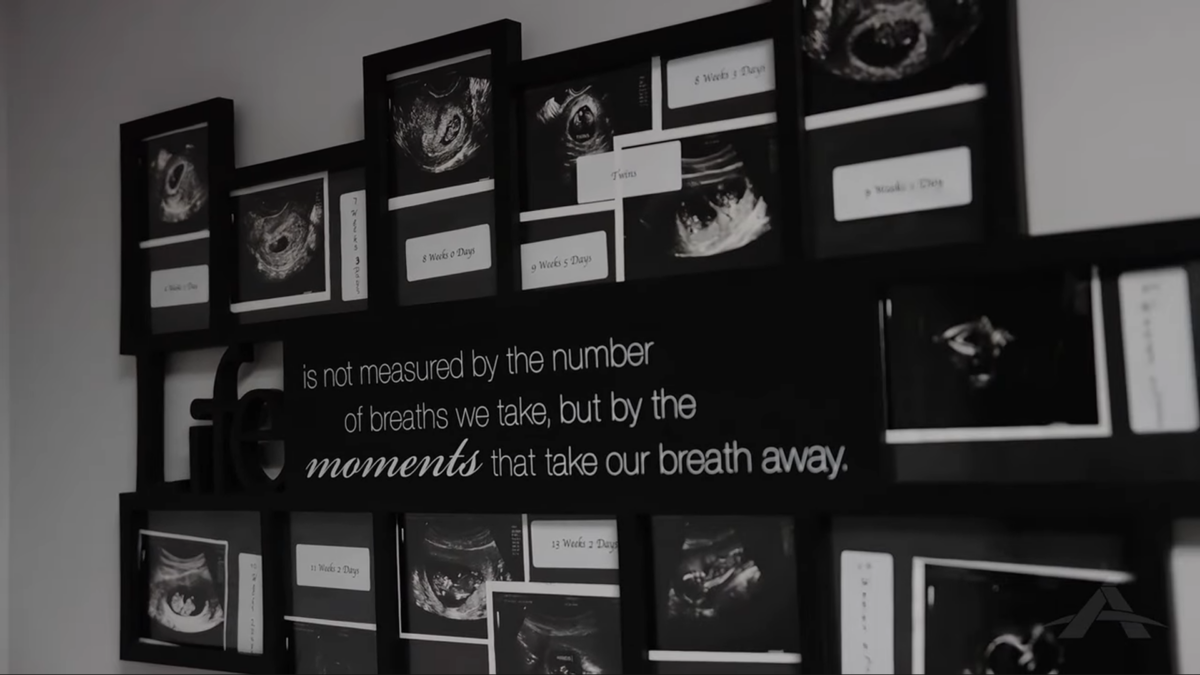
Supporters of these centers argue they provide valuable services like parenting classes, ultrasounds, and material support for families. And according to advocates, demand for those services is only growing.
At the end of the day, the Supreme Court’s decision reinforces a fundamental principle: Americans don’t lose their constitutional rights just because their views aren’t popular with those in power. And in this case, that principle came through loud, clear, and unanimous—a rare but welcome sight.
- Politics
By 4ever.news
Supreme Court Sides With Pregnancy Centers, Protects Donor Privacy From State Overreach
Trending News
- Politics
- Trump
Trump Weighs Troop Reduction in Germany as Tensions Rise Ove
22 hours ago- Politics
- Trump
Melania Trump Supporters Target Kimmel Advertisers as Disney
1 days ago- Politics
- Trump
Trump Rejects Weak Iranian Proposal as Nuclear Concerns Take
2 days ago- Politics
- Trump
Trump Slams “60 Minutes” as Disgraceful for Airing Shooter’s
3 days ago
All About Trump
- Trump
Federal Judge Blocks Trump Administration’s Push for Arizona Voter Data
In the latest chapter of the ongoing battle over election integrity, a federal judge has ruled against the Trump administration’s effort to obtain Arizona’s voter registration data—because apparently verifying voter rolls is still a contro 22 hours ago
- Trump