Sweden reminded the world it still knows how to protect its airspace the old-fashioned way — by actually doing something.
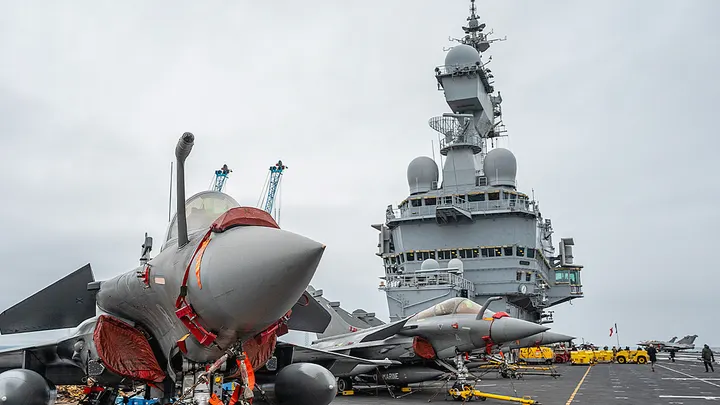
On February 25, the Swedish armed forces jammed a suspected Russian drone as it moved toward a French nuclear-powered aircraft carrier docked in Malmö during major NATO naval exercises. The carrier, the flagship of the French navy, was visiting the southern Swedish port as part of mission LA FAYETTE 26, while allied ships operated across the Baltic Sea region amid rising tensions with Moscow.
According to SVT, the drone was launched from a nearby Russian vessel and headed toward the carrier before being detected by Swedish naval patrols in the Öresund Strait. A Swedish Navy ship spotted the aircraft during routine patrols and immediately activated electronic countermeasures, disrupting the drone’s control systems.

“In connection with the observation, the Swedish Armed Forces took countermeasures to disrupt the suspected drone. After that, contact with the drone was lost,” the military said. Whether the drone returned to its launch point or dropped into the sea remains unclear — but either way, its mission ended early. Not exactly a banner day for Russian surveillance.
Swedish Defence Minister Pål Jonson said the drone likely originated from Russia, noting that a Russian military vessel was in the immediate area at the time. Meanwhile, French officials confirmed the electronic jamming worked exactly as intended.
French General Staff spokesman Guillaume Vernet said the drone was jammed about seven nautical miles from the carrier and that the Swedish system “worked perfectly” without disrupting operations aboard the ship.
The incident highlights growing concern over Russian-linked drone activity near key Western military assets, especially during NATO exercises involving forces from across Europe. With allied ships operating in the Baltic and high-value vessels in port, Sweden’s response sent a clear message: probing won’t go unanswered.
And for once, a defensive system did exactly what it was supposed to do — quickly, quietly, and effectively. That’s the kind of competence that keeps allies safe and reminds adversaries that intimidation only works when no one pushes back.