
If you thought union dues were strictly about better paychecks and classroom resources, this latest report might make you take a second look—maybe even a third.
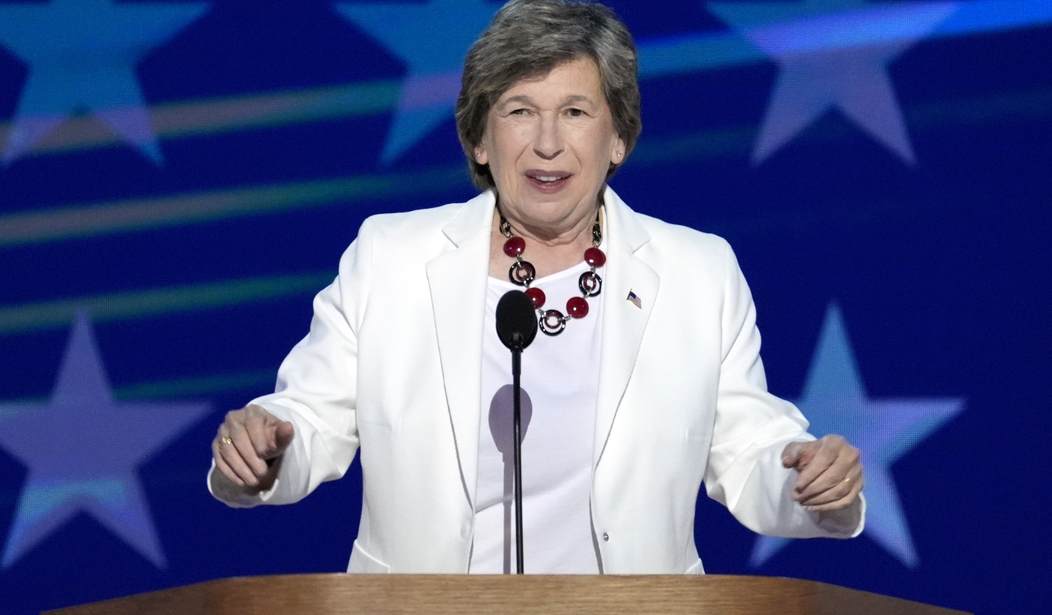
A new analysis from Defending Education alleges that since August 2015, the nation’s two largest teachers’ unions—the National Education Association and the American Federation of Teachers—have directed a combined $669 million in dues and PAC funds into political causes aligned with Democrats. When factoring in state and local affiliates, the total reportedly exceeds $1 billion.
That’s not pocket change—it’s a full-blown financial pipeline.
According to the report, tens of millions went to major political organizations tied to Democratic campaign infrastructure. The State Engagement Fund received over $60 million, while the For Our Future Action Fund took in more than $44 million. Senate Majority PAC and House Majority PAC weren’t left out either, receiving roughly $32 million and $25 million respectively. And yes, the Strategic Victory Fund—created in 2020 with the explicit goal of defeating Donald Trump—reportedly collected over $19 million.
Because nothing says “nonpartisan representation” quite like writing massive checks to one side of the aisle.
The spending doesn’t stop there. The report claims unions funneled more than $85 million directly into Democratic Party entities at various levels, separate from individual candidate contributions. Among the recipients: the Biden Victory Fund, the Hillary Victory Fund, and organizations tied to the Clinton family, including the Bill, Hillary, and Chelsea Clinton Foundation and the Clinton Global Initiative.
For many educators, the key question isn’t just how much was spent—but whether they were fully aware of where their money was going. Union leadership often frames dues as necessary for collective bargaining and workplace advocacy. But if these findings are accurate, a significant portion has been directed toward political efforts far removed from the classroom.
Supporters of the unions may argue that political involvement is part of shaping education policy. Critics, on the other hand, see a system where members’ money is being leveraged for partisan agendas—whether they agree with them or not.
Either way, the scale of the numbers is hard to ignore. And as more teachers and taxpayers start asking questions, one thing becomes clear: transparency isn’t just a buzzword—it’s a necessity.
- Politics
By 4ever.news
Teachers’ Union Dues Flow Into Political Machine, Report Claims Massive Democrat Funding Pipeline
Trending News
- Politics
- Trump
Trump Weighs Troop Reduction in Germany as Tensions Rise Ove
22 hours ago- Politics
- Trump
Melania Trump Supporters Target Kimmel Advertisers as Disney
1 days ago- Politics
- Trump
Trump Rejects Weak Iranian Proposal as Nuclear Concerns Take
2 days ago- Politics
- Trump
Trump Slams “60 Minutes” as Disgraceful for Airing Shooter’s
3 days ago
All About Trump
- Trump
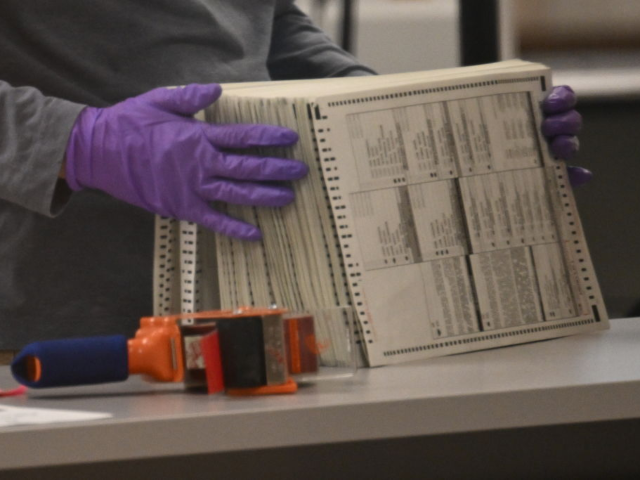
Federal Judge Blocks Trump Administration’s Push for Arizona Voter Data
In the latest chapter of the ongoing battle over election integrity, a federal judge has ruled against the Trump administration’s effort to obtain Arizona’s voter registration data—because apparently verifying voter rolls is still a contro 22 hours ago
- Trump