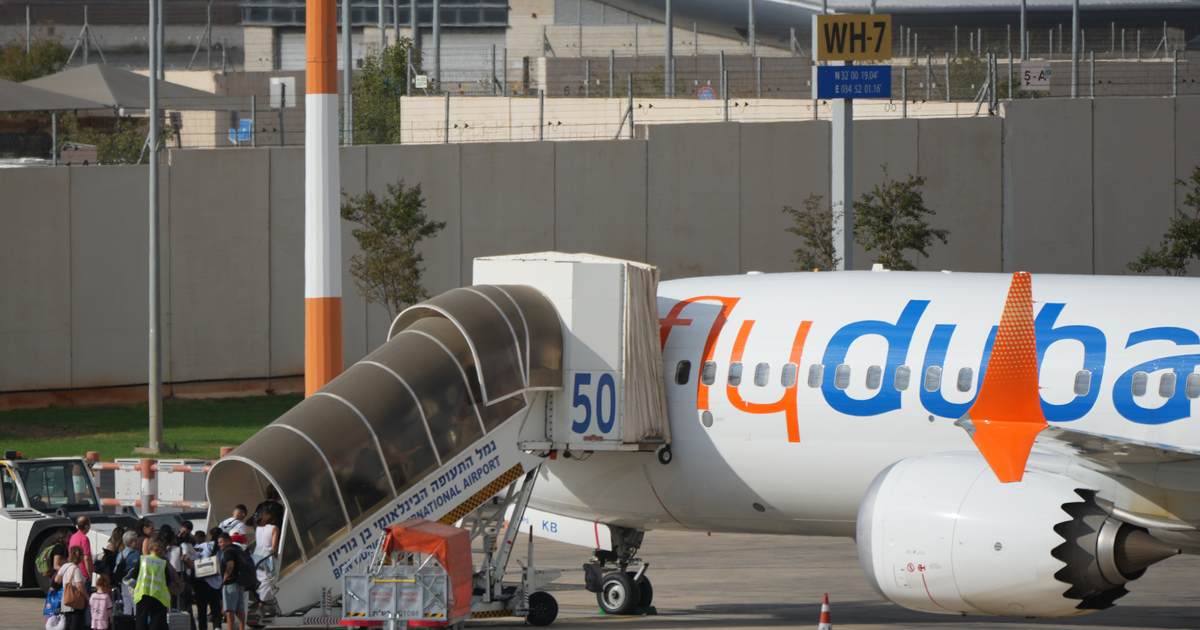
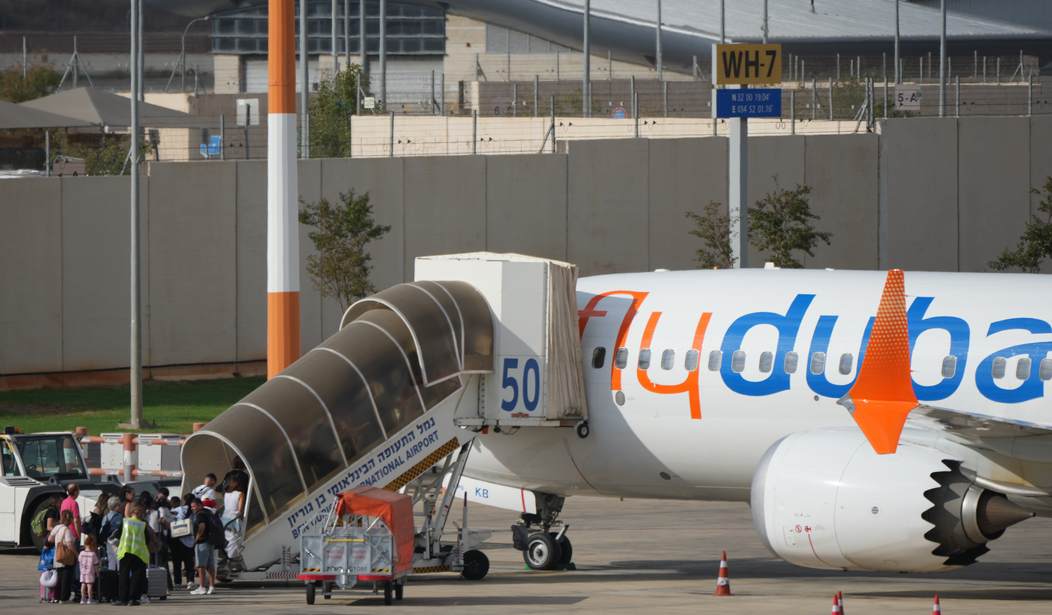
New details are emerging regarding the attempted hijacking of a FlyDubai flight, shedding light on the alarming circumstances that led an Omani co-pilot, now identified, to be at the controls of an aircraft bound for Israel.
This incident throws a harsh spotlight on a massive aviation security failure. The co-pilot, Hamam Al Hammami, had reportedly been banned from flying in Oman due to "radical ideological views." Yet, despite this egregious red flag, FlyDubai inexplicably hired him, entrusting him with a flight on the sensitive route between the United Arab Emirates and Israel.
The heroic actions of the pilot, other crew members, and quick-thinking passengers are credited with averting a catastrophic tragedy.
Now, critical details are emerging about the man behind the terror plot.
Multiple sources familiar with the ongoing investigation have identified the suspected attacker as 29-year-old Hamam Al Hammami. According to officials, during his time as a co-pilot trainee for Oman Air in 2024, Al Hammami was found to be in possession of extremist materials. Yet, in a move that defies common sense and national security protocols, sources reveal he was "allowed to continue working for the airline in an administrative role."
The decision by Oman Air to keep an individual with documented extremist ties in any capacity, let alone one within the aviation sector, is simply unbelievable. This isn't just a lapse; it's a dangerous dereliction of duty that put countless lives at risk.
The United Arab Emirates (UAE) has since offered more specifics on the September 30th "terrorist act," painting a chilling picture of the assault.
UAE Attorney General Hamad Saif Al Shamsi confirmed that the co-pilot "had attempted to carry out a terrorist act" during the flight. Al Shamsi stated that Al Hammami initiated his attack by "assaulting the pilot inside the cockpit using a crash axe and attempted to seize control of the aircraft's controls."
Using a crash axe – a piece of emergency equipment found in every cockpit – demonstrates a clear and brutal intent. The pilot's survival is nothing short of miraculous, a testament to sheer willpower against an adversary armed with a tool designed for emergency, not malice.
The UAE Attorney General's office is rightly investigating the full circumstances and motives behind this heinous act, particularly how Al Hammami managed to be assigned to such a flight despite his documented radical ties. That part should not be complicated, yet here we are.
Al Hammami, who was transferred from Saudi Arabia to the UAE, is reportedly "cooperating" with authorities. Sources briefed on the investigation have indicated his chilling intent: to crash the aircraft in Israel.
FlyDubai has declined further comment, citing the ongoing investigation, but stated a "full commitment to supporting the ongoing investigation and are in close coordination with the relevant government authorities and regulators." In a telling move, the airline has temporarily suspended all flights to Tel Aviv.
Unsurprisingly, representatives for Oman Air have remained silent on the matter, a silence that speaks volumes about the questions they face regarding their hiring and retention practices.
This chilling incident serves as a stark reminder of the constant vigilance required against radical Islamic extremism and the critical need for absolute integrity in aviation security. The failures that allowed Hamam Al Hammami to pilot a commercial aircraft, especially one headed to a nation like Israel, demand immediate and thorough accountability from all involved airlines and regulatory bodies. The safety of the American people and our allies depends on a clear-eyed assessment of these threats, and an unwavering commitment to America First security protocols that leave no room for compromise or dangerous oversights.