
Over the weekend, two viral posts reignited a debate that many in the public square have tried to keep out of focus for years—and they did it in a way that was hard to ignore.
One featured a well-known country music figure holding his infant son, who was crying out for his mother. The response from the adults? A direct statement that the child does not have one, followed by laughter. The second post showed a celebratory pregnancy announcement from a same-sex couple, detailing a process involving a sperm provider, an egg donor, and a surrogate—yet notably absent were the women involved in bringing that child into existence.
Both posts spread rapidly, drawing millions of views and strong reactions. And the reason they resonated is simple: they highlighted a reality that has been largely avoided in mainstream discussions about marriage—children are inevitably part of the equation.
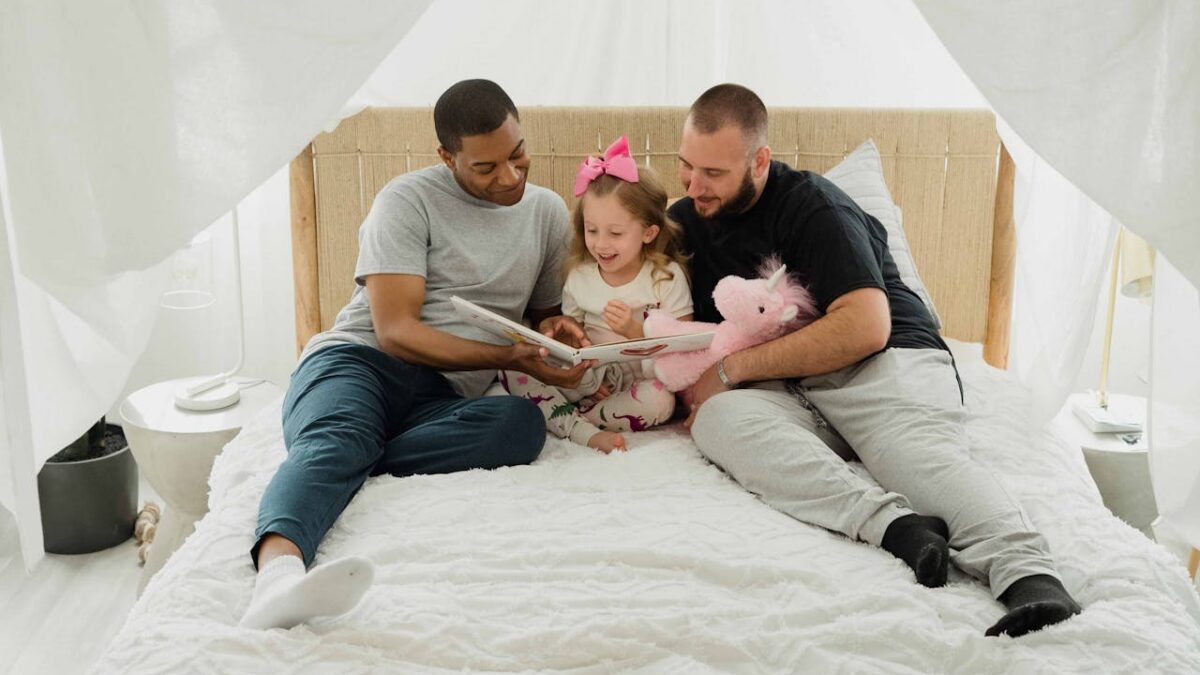
For years, the central argument surrounding same-sex marriage focused on adult relationships. The message was clear and repeated often: marriage is about love between consenting adults, and what happens in private should remain private. Children, when mentioned at all, were framed primarily through adoption—positioned as an act of care for those already in need.
But as time has passed, the conversation has shifted. The question is no longer just about adult relationships, but about how families are formed and what that means for children.
Data from a 2024 survey by the Williams Institute at UCLA sheds light on this shift. Among married same-sex couples under 50, 61 percent said their ideal path to parenthood involved biological methods such as surrogacy or assisted reproduction. However, when asked what they expected to actually pursue, that number dropped to 41 percent, with adoption rising to 51 percent. Cost was cited as the primary barrier, with surrogacy often reaching into six figures.
These pathways to parenthood involve multiple participants—donors, surrogates, and contractual agreements. In each case, decisions are made before a child is born regarding biological connections and parental roles. Critics argue that this raises ethical questions about the intentional separation of children from one or both biological parents, while supporters emphasize the ability of committed adults to provide loving homes regardless of structure.
What’s clear is that this is no longer a theoretical discussion. Cultural moments—from viral social media posts to mainstream comedy sketches—are beginning to reflect a growing willingness to engage with the complexities involved.
At the heart of the issue is a fundamental question: how should society balance the desires of adults to form families with the rights and interests of children within those families?
That question doesn’t have an easy answer, and it’s one that continues to evolve. But one thing is certain—the conversation is no longer staying behind closed doors.
And as more people engage with it openly, there’s an opportunity to approach it with clarity, honesty, and a shared commitment to ensuring that the well-being of children remains at the center of the discussion.
- Politics
By 4ever.news
The Debate Over Gay Marriage and Children’s Rights Is No Longer Avoidable
Trending News
- Politics
- Trump
Trump Rules Out Using Nuclear Weapons on Iran, Emphasizes St
23 hours ago- Politics
- Trump
Trump Secures Halt to Iran Executions of Female Protesters A
1 days ago- Politics
- Trump
Fed Nominee Kevin Warsh Says Trump Never Pressured Him on In
2 days ago- Politics
Today, April 21, all Virginia must vote
3 days ago
All About Trump
- Trump
Trump Extends Israel-Lebanon Ceasefire, Signals “Very Good Chance of Peace” After White House Talks
Well, for all the talk that peace in the Middle East is impossible, President Donald Trump just did what many said couldn’t be done—again. And yes, it involved actual diplomacy, not just statements and hashtags.Trump announced a three-week e 22 hours ago
- Trump