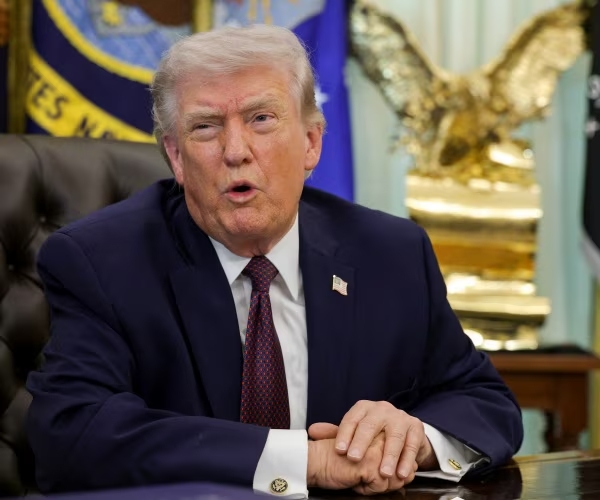
Following the Trump administration’s decisive Saturday military operation that led to the arrest of puppet president and dictator Nicolás Maduro, legacy media outlets immediately went into overdrive, pushing familiar narratives: Trump is starting a war, Trump wants Venezuela’s oil, Trump overstepped his constitutional authority, Trump ignored the American people. Same script, different crisis.
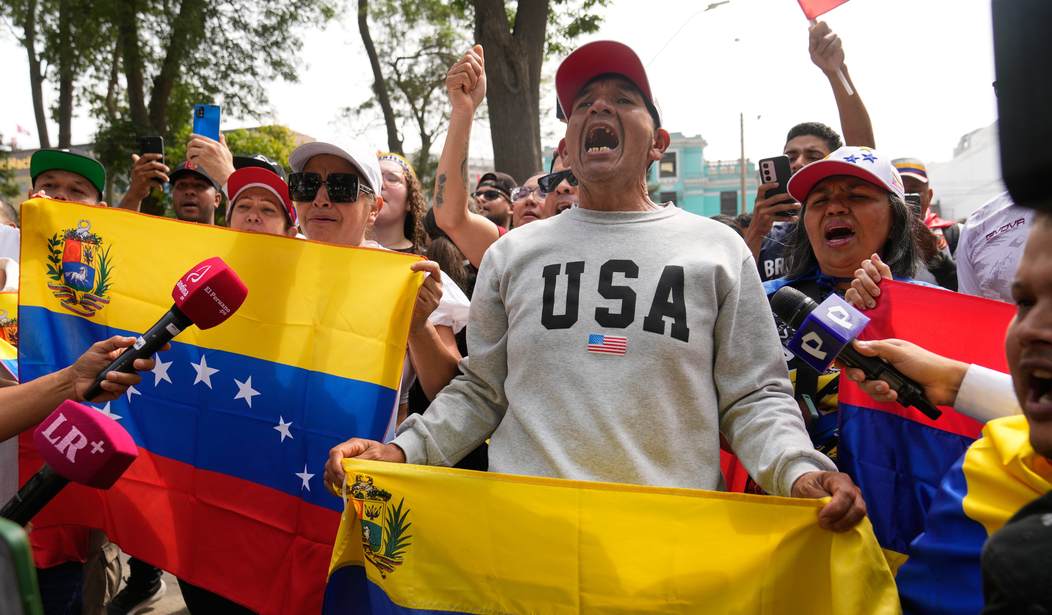
What disrupted those talking points wasn’t a press release—it was reality. Independent and new media flooded the zone, and more importantly, Venezuelan citizens and members of the Venezuelan diaspora made their voices impossible to ignore. They understand better than anyone why President Trump’s capture of Maduro was not only necessary for Venezuela, but critical for the security of the United States. And when the people who actually lived under the dictatorship speak, it gets uncomfortable for the narrative managers.
One Venezuelan young man, responding directly to claims from Democrat politicians that the U.S. had “no business” in Venezuela, made the point crystal clear: America does have a stake there, and what happens next matters deeply to both nations’ security. Mic drop. It turns out lived experience beats cable news panels every time.
This reality has always existed, but previous leaders chose to look away. The decades-long and deeply ineffective “War on Drugs” is Exhibit A. American cities were hollowed out by crack cocaine, met with performative policies that looked tough on paper but solved nothing in practice. Communities collapsed, dependency on government grew, NGOs multiplied, and the consultancy class thrived—while ordinary Americans paid the price.
Later administrations doubled down. Low-level offenders were punished harshly, prison systems ballooned, jobs vanished through globalism, and entire regions of the country were left vulnerable. That vacuum was filled with meth and fentanyl, devastating the heartland. More recently, open borders ensured criminal networks could continue trafficking drugs and people, accelerating the damage. All of this happened while leaders played diplomat on camera and profited quietly behind the scenes.
Meanwhile, American citizens and foreign nationals alike suffered violence, healthcare crises, and the disappearance of loved ones, as national sovereignty was traded away for prestige, globalist fantasies, and cozy relationships with adversarial regimes. Cheap goods flowed in; national cohesion flowed out.
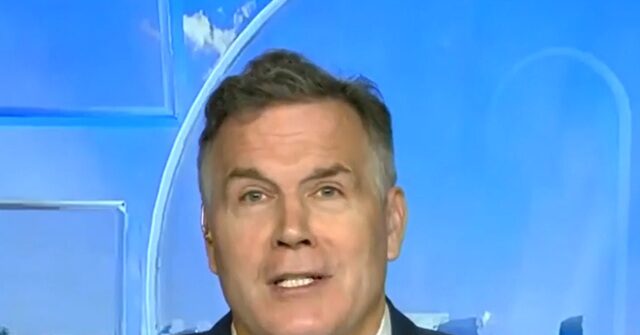
Venezuelan journalist Mariana Atencio cut through the noise and dismantled the media myths. She made clear that Maduro’s arrest was not about regime change or “blood for oil,” but about stopping a humanitarian catastrophe. According to Atencio, the Trump administration’s actions created a necessary barrier against a growing regional collapse.
She went further, warning that Maduro’s tactics—targeting political enemies and crushing dissent—were being replicated across the region, including in Colombia, Mexico, Peru, and beyond. Removing Maduro, she argued, could trigger a domino effect, unraveling that authoritarian thread much like the fall of the Berlin Wall helped usher in glasnost and the eventual collapse of the Soviet Union. History does rhyme.
Both the Venezuelan voices highlighted the same urgent truth: investing in Venezuela’s future is inseparable from investing in America’s own security. If Venezuela stabilizes and succeeds, the benefits ripple north. If it collapses in a power vacuum, the consequences will continue eroding the United States from within.
This is serious, consequential stuff—far too important to be dismissed as “above the public’s understanding,” as past leaders conveniently assumed. The Trump administration took a different approach: act decisively, protect American borders, and show the American people exactly why it matters.
And for the first time in a long while, that clarity is producing something rare in foreign policy—real hope, real accountability, and the possibility of a stronger, safer future for both nations.