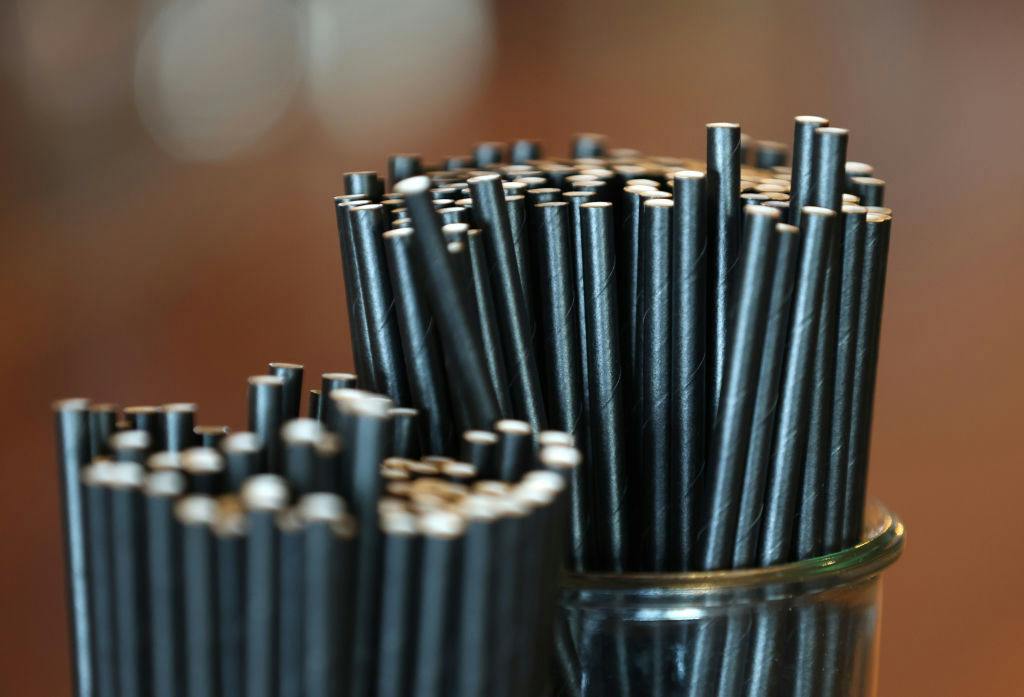

For years, Americans have been lectured about the supposed environmental superiority of paper straws. We've endured soggy drinks and disintegrating implements, all in the name of 'saving the planet.' Now, a groundbreaking new study delivers a stinging rebuke to this forced environmentalism, revealing that the much-maligned paper straw may actually be one of the worst options for our planet.
A team of diligent researchers from South Korea put various straw types to the test, including paper, traditional plastic, biodegradable plastic, and sugarcane-based alternatives. Across 16 critical environmental categories, the results were an inconvenient truth for the green lobby: the humble plastic straw, long demonized, emerged with the lowest negative environmental impact in ten of those categories, including crucial measures like greenhouse gas emissions and human toxicity.
The supposed 'eco-friendly' paper straw, on the other hand, scored an alarming six times higher than its plastic rival on the study’s measure of carcinogenic impact. This isn't just about a minor inconvenience; it's about potentially harmful substances. Furthermore, the study by the Ministry of Climate, Energy and Environment found paper straws had more than twice the impact on environmental acidity, contributing to pollution that can damage soil, water, plants, and entire ecosystems. And just when you thought it couldn't get worse, the sugarcane-based straws took the dubious top prize for environmental harm, registering a staggering 16.18 times the human carcinogenic impact.
The narrative surrounding paper straws as easily 'recyclable' has also been thoroughly debunked. Despite common assertions, the researchers, who scrutinized the entire lifecycle from raw material to disposal, found that the small size and often water-resistant coatings, chemical additives, and glues used in paper straws make them incredibly difficult to process. In practice, they frequently slip through recycling facilities, rendering the 'recyclable' label little more than wishful thinking. National waste statistics cited by the outlet confirmed that a mere 26% of discarded straws actually make it to landfills, with an even smaller fraction truly recycled.
Perhaps the most telling detail: a survey of over 1,000 people revealed that a resounding 87.5% preferred plastic straws. A majority also agreed that disposable straws should only be provided upon request – a testament to common sense that often eludes the architects of 'green' policies.
South Korean lawmaker Kim Wi-sang didn't mince words, declaring the study exposed the "failure of its greenwashing policy." He rightly called for the government to acknowledge its misguided fixation on "ineffective substitute materials" and to learn from the costly mistake. His call to focus on reducing overall disposable product use, rather than mandating demonstrably worse alternatives, is precisely the kind of rational approach America First advocates have championed for years.
This revelation is more than just a fact about straws; it's a powerful indictment of the prevailing 'green' agenda that often prioritizes virtue signaling over genuine environmental impact, and dictates policy without sound science or common sense. It’s a stark reminder that true environmental stewardship requires honest assessment and accountability, not just fashionable mandates that ultimately harm both the planet and the wallets of hardworking Americans.