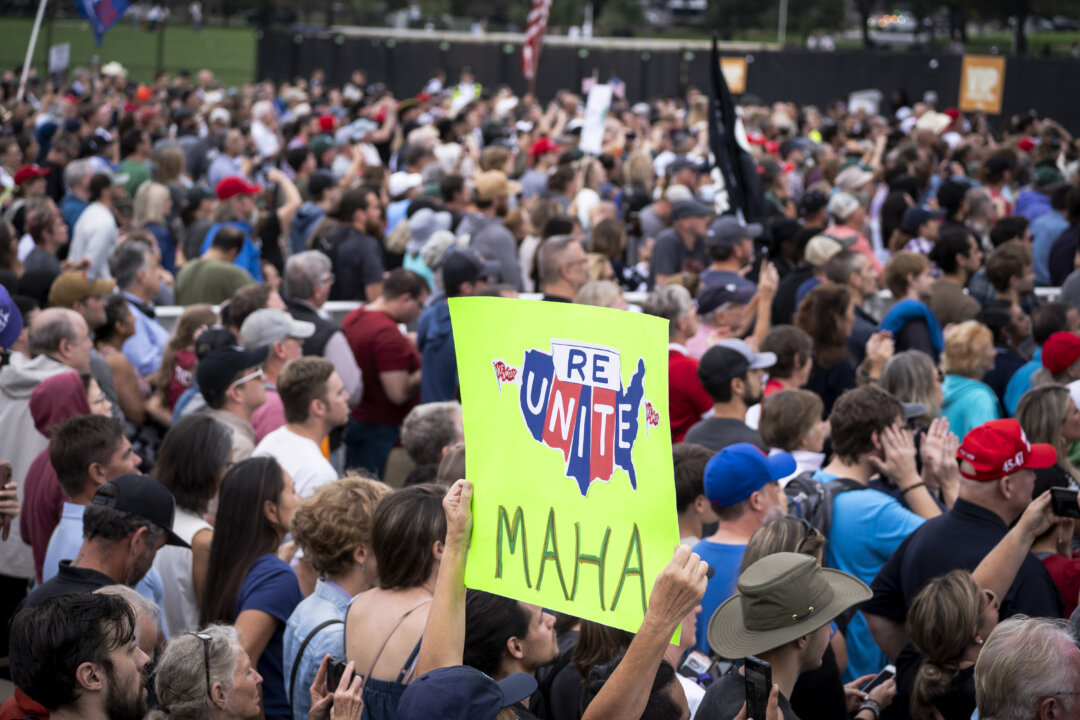
It has been two years since the birth of the Make America Healthy Again (MAHA) coalition, a powerful force that stormed the gates of American politics, promising to unravel the entrenched system that brought us the nightmare of the pandemic era. Born from a bold alliance between President Trump and Robert F. Kennedy, Jr., who now serves as Secretary of Health and Human Services, MAHA arrived with the weight of immense expectation and a mandate to confront the very institutions that had failed the American people so spectacularly.
The catalyst for MAHA was the brutal treatment Americans endured starting in March 2020: the chilling censorship, the draconian stay-at-home orders, the ruinous business and school closures, and the relentless media propaganda that painted a picture of a world on fire. This was followed by the rollout of an experimental inoculation that, for far too many, proved dangerous and even deadly. MAHA rose to demand answers, to dismantle the mechanisms of this calamity, and to ensure such a betrayal of public trust could never happen again.
Yet, the MAHA agenda quickly expanded beyond just physical well-being. It shone a light on the broader decay within our health systems, exposing deep-seated issues in general medicine, agriculture, and the food industry—concerns that had simmered for decades in cultural niches but lacked a national voice. The mental health crisis, fueled by widespread psychotropic drug use and the trauma of pandemic policies that kept liquor stores open while churches remained shuttered, also became a central focus.
From day one, MAHA was destined to confront the implacable structures of Washington. The problems of chronic disease and addiction run so deep, and the industry capture in areas like food and pharmaceuticals is so complete, that mere appointments were never going to be enough. The capital's bureaucracy, a labyrinth designed to withstand any challenge, proved impenetrable. Even modest reforms are met with congressional apathy, legal logjams, and fierce resistance from special interests that bankroll political campaigns.
Indeed, MAHA faced immediate opposition, not just from the usual suspects, but even from powerful elements within the White House itself—forces that, despite the clear mandate of the people, actively worked to block progress. It’s a drama that Robert Malone, a central figure in the health debates, along with his scientist wife, has meticulously documented in their first draft of history: "Chronic Rebellion: History of the MAHA Movement" (Brownstone Institute, 2026). Their unvarnished account names names and offers a balanced but sharp judgment on what MAHA has achieved, and what remains to be done.
One of MAHA's most significant, if quietly revolutionary, triumphs did not come from the pharmaceutical battles but from a fundamental shift in dietary recommendations. Secretary Kennedy courageously flipped the pyramid, elevating proteins and deprioritizing carbohydrates and sugars. This was no small feat; it directly challenged decades of flawed guidelines that contributed to generations suffering from chronic disease. This paradigm shift, already reflected in market trends, is a profound victory for common sense and American health.
However, progress in the realm of pharmaceuticals, particularly vaccines, has proven far more arduous. While Secretary Kennedy boldly addressed structural issues related to approvals, the path to fundamental change was obstructed by a barrage of lawsuits, a relentless media assault, and the sheer power of the industrial juggernaut. The FDA, in particular, has emerged as a significant hurdle, demonstrating that no commissioner daring to confront industrial power can long retain their position.
Despite these frustrations, the MAHA experience in Washington has ignited a more impassioned and realistic grassroots movement. Americans have learned that no single "white knight" can dismantle these deeply entrenched structures, realizing that the forces responsible for creating one of the sickest nations on Earth are far more powerful than previously imagined. This new realism has fostered a nationwide network of supper clubs, spurred the creation of countless new books, and built a cultural infrastructure of influence that barely existed before.
While the MAHA brand may have an expiration date, its cause and consciousness are assured of durable power. Candidates from both sides of the aisle are now compelled to address the growing public outcry against Big Pharma and Big Ag—popular concerns unleashed and energized by the COVID experience. The American people, traumatized by that era, have forged a genuine political realignment, backed by a potent and sustainable social and cultural movement. What began with short-term frustration is clearly transforming into long-term impact, for MAHA has achieved more in terms of progress than any such movement in modern history, even as it encountered formidable resistance.
And, in a stunning commitment to transparency, Secretary Robert F. Kennedy, Jr. has released a magnificent new website, transparency.hhs.gov, filled with millions of once-secret documents now available for public scrutiny. This unprecedented innovation in public affairs provides an indispensable resource for understanding the true scope of what has gone wrong over decades. It is a powerful blow against the darkness of government secrecy.
While much work remains, the MAHA movement's focus on the core values of a good life ensures its enduring legacy. This is a fight for the heart and soul of America, for health freedom, and for accountability against those who put profit and control before the well-being of the American people.