In a decisive victory for law, order, and basic national security, a federal appeals court on Thursday dismantled a Biden-appointed judge’s effort to block the deportation of a pro-Hamas foreign activist—proving once again that the Constitution still matters, even when activist judges wish it didn’t.
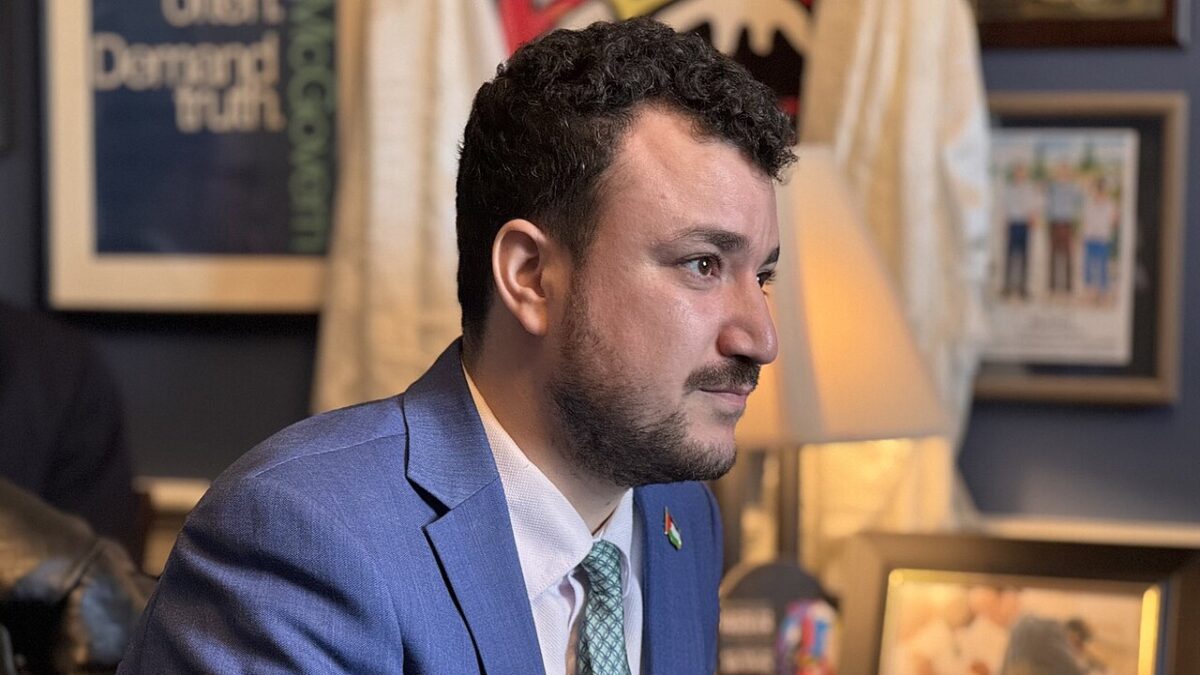
In a 2–1 ruling, the Third Circuit Court of Appeals vacated multiple orders issued by New Jersey District Judge Michael Farbiarz that had interfered with the detention and attempted deportation of Mahmoud Khalil, a Columbia University graduate and Syrian-born green card holder. Khalil was detained by federal authorities after allegedly leading activities aligned with Hamas, a designated terrorist organization, and being deemed a threat to national security and foreign policy. Apparently, that used to matter.
Judge Farbiarz’s rulings had gone well beyond gentle judicial oversight. According to the appeals court, his orders blocked the government from removing Khalil from the country, mandated his release from custody, and even intervened directly in immigration court proceedings—essentially turning the district court into its own immigration agency.
The Third Circuit was not impressed.
While the panel acknowledged that Farbiarz technically had jurisdiction to hear Khalil’s habeas petition because Khalil was being held in New Jersey, it ruled that the judge ultimately lacked subject matter jurisdiction under federal law. The court pointed directly to the Immigration and Nationality Act, which clearly channels judicial review of removal decisions into a single petition for review filed with a federal court of appeals—not a district judge freelancing from the bench.
Put more simply, as legal observers noted, federal district courts do not get to run immigration policy. That authority belongs to Congress and the executive branch, no matter how badly some judges want to rewrite the system from their chambers.
The ruling emphasized that the immigration framework established by Congress still provides Khalil with a lawful avenue to raise his claims—specifically through a petition for review after a final order of removal. In other words, due process exists, but judicial activism does not get to hijack it.
The majority opinion was authored by Judges Thomas Hardiman and Stephanos Bibas, appointed by Presidents George W. Bush and Donald Trump, respectively. Their message was clear: courts are bound by law, not political fashion or ideological sympathy.
Judge Arianna Freeman, a Biden appointee, dissented, arguing that the district court should have retained subject matter jurisdiction and reviewed the injunction on its merits. Thankfully, her view did not carry the day.
As a result of the ruling, Farbiarz’s orders are officially vacated, and the case has been sent back to the district court with instructions to dismiss Khalil’s habeas petition entirely.
The outcome is a sharp reminder that immigration enforcement is not optional, national security is not negotiable, and courts are not above the law. Under President Donald Trump, the administration continues to defend America’s borders and institutions—this time with the Constitution firmly on its side. And that’s a win not just for the rule of law, but for a country that still believes in it.