As the clock ticks down on the final six weeks of unified Republican control of the federal government, a critical window of opportunity looms large: the power of recess appointments. This often-overlooked constitutional lever could allow President Donald Trump to fully staff the executive branch, bypassing the endless obstruction that has plagued Washington for far too long. It's a strategic move, nearly 14 years in the making, and one that demands immediate action.
The concept is straightforward, grounded in the Constitution’s Appointments Clause. While senior positions typically require presidential nomination and Senate confirmation, Article II, Section 2, Clause 3 empowers the president to make recess appointments under specific circumstances. These appointments, lasting through the current and subsequent annual congressional sessions, are designed to ensure the government operates at full capacity, even when the Senate is not in session.
Imagine the impact of a simple 10-day recess. Such a move would grant President Trump the vital authority to fill not only existing vacancies but also those that may arise, swiftly installing America First officials across key government agencies. This isn't just about filling seats; it's about ensuring a conservative agenda can be implemented without the perpetual roadblocks erected by a complacent establishment.
Yet, the frustrating reality persists: many conservatives remain deeply disappointed by the Senate Republicans’ inability to push through meaningful legislation. Calls to reform or even eliminate the filibuster have been ignored, and legislative victories have been few and far between since the Working Families Tax Cuts in July 2025. With a December 11 funding deadline approaching, Washington is bracing for yet another round of government shutdown theatrics, a predictable cycle of inaction.
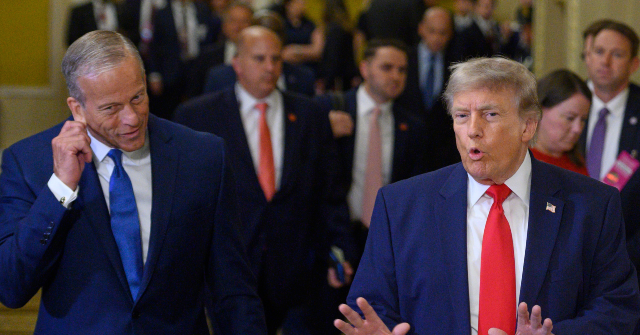
This is where outgoing Senate Majority Leader John Thune has a chance to make a real difference. Declaring a 10-day recess carries minimal downside. What exactly is being accomplished during this lame-duck session anyway? The chambers are bickering over defense spending reconciliation, failing on permitting reform, and dragging their feet on college sports legislation. A bold move by Thune to enable recess appointments would not only earn him widespread praise from conservatives nationwide but would also demonstrate, through consequential action rather than empty words, a genuine commitment to delivering for the American people.
Just a year and a half ago, Thune himself explored this very idea when Senate Democrats were deliberately stalling hundreds of nominees. While he ultimately settled for advancing nominees in batches, the underlying need for decisive action remains. It's time for the Senate to grant President Trump the same executive staffing power that presidents enjoyed for decades until the early 2000s. The opportunity to staff the executive branch with dedicated, America First candidates to fulfill his mandate is staring them in the face. It’s a chance to show true leadership, honor the will of the voters, and ensure that when President Trump leads, his vision can actually be implemented.