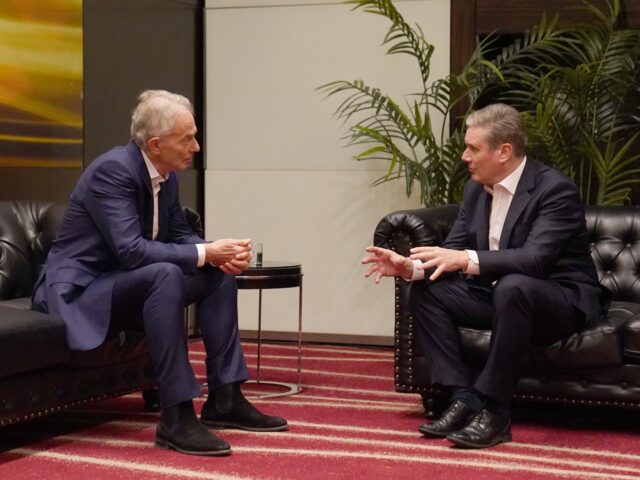
Former British Prime Minister Tony Blair is not holding back when it comes to the current leadership in London. Over the weekend, Blair sharply criticized Prime Minister Keir Starmer for damaging the United Kingdom’s historic relationship with the United States after initially refusing a military request from President Donald Trump.
Speaking during a Jewish News event, Blair made it clear that he believes Starmer made a serious mistake by blocking the U.S. military from using British bases during the early stages of operations against Iran. While Starmer eventually reversed course and allowed the bases to be used for “defensive” purposes, Blair suggested the damage to the alliance had already been done.
In Blair’s view, the situation should have been handled very differently from the start. According to him, the United Kingdom should have stood firmly with the United States the moment the request was made.
Blair emphasized that the transatlantic alliance is not just another diplomatic relationship—it’s essential to Britain’s security. As he put it, the United States is not merely an ally but an indispensable partner, something any British leader should recognize immediately.
Drawing from his own experience in office, Blair pointed out that alliances are not tested when things are easy—they’re tested during difficult moments. In this case, he argued, the request from Washington was relatively modest. The United States simply wanted to use British bases to refuel aircraft supporting operations in the region.
Blair even compared the situation to past conflicts to highlight how limited the request was. Unlike large-scale wars such as Vietnam or even the Iraq campaign—where thousands of British troops were deployed—this request involved logistical support, not a massive military commitment.
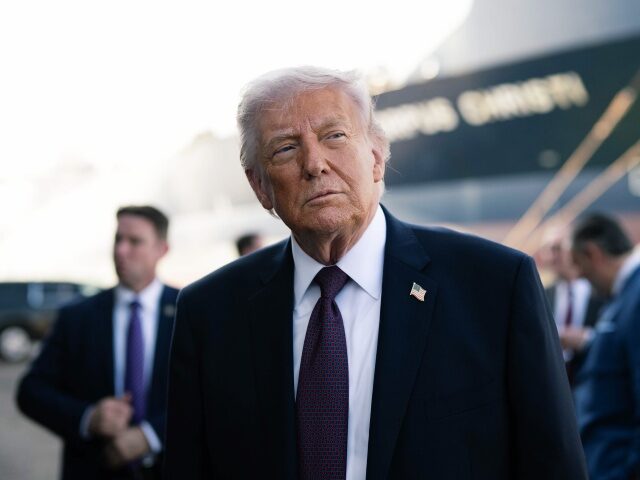
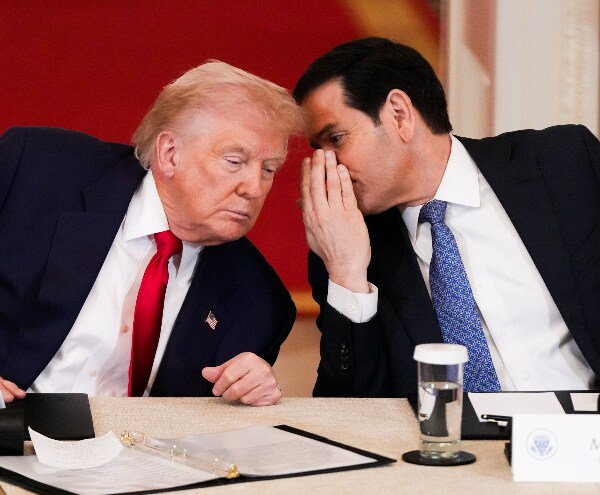
Still, the hesitation from Starmer’s government created friction with Washington. President Trump publicly expressed his frustration over the decision, saying he was “very disappointed” by the refusal. At one point, Trump even remarked that the current British leadership hardly resembles the strength of figures like Winston Churchill.
Blair also dismissed the idea that political pressure from anti-war members of Parliament justified the delay. In his view, strong leadership sometimes means making tough decisions even when they’re unpopular. On foreign policy matters especially, Blair argued that voters often prefer leaders who are decisive and clear about where they stand.
For Blair, the lesson is simple: when your most important ally calls, you show up.
Despite the early tensions, the fact that Britain ultimately allowed the use of its bases suggests the alliance can still move forward. And if history has shown anything, it’s that the partnership between the United States and the United Kingdom—especially when American leadership is strong—has a way of enduring even the rough moments. ????