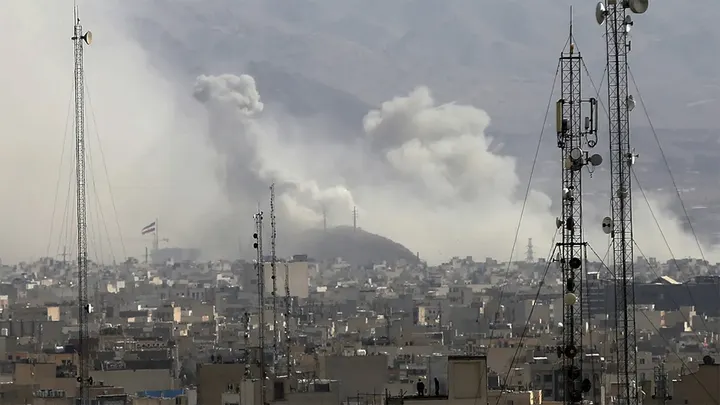
U.S. Treasury Secretary Scott Bessent says the conflict with Iran is entering a new and intense phase, warning that American forces are preparing for what he described as the largest bombing campaign of the war so far.
Speaking Friday on Kudlow with host Larry Kudlow, Bessent said U.S. strikes are expected to deal significant damage to Iran’s missile infrastructure.
“Tonight will be our biggest bombing campaign,” Bessent said, explaining that U.S. forces plan to target missile launchers and factories responsible for producing the weapons.
According to Bessent, Iran has struggled to keep pace with what he described as America’s “overwhelming” military campaign. As a result, Tehran is now attempting to shift the battlefield to the global economy.
“Having not been able to succeed there militarily, they’re trying to create economic chaos,” he said. “I don’t think they’re going to be able to do it.”
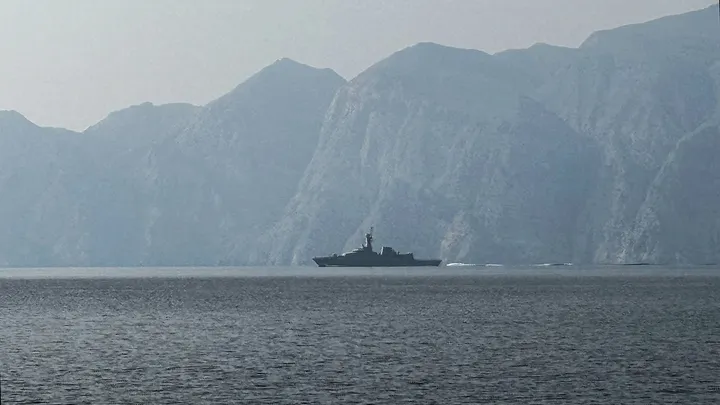
One of the biggest concerns involves the Strait of Hormuz, a narrow but crucial shipping lane where roughly 20 percent of the world’s oil and natural gas supply passes each day. The waterway sits between Iran and Gulf states and has long been viewed as one of the most strategically important chokepoints in global energy markets.
When the conflict first intensified, insurers rapidly pulled coverage for ships traveling through the area, fearing attacks or blockades. That move threatened to disrupt shipping across the region.
To stabilize maritime trade, the U.S. International Development Finance Corporation stepped in earlier this week, announcing up to $20 billion in insurance support for vessels traveling through the strait.
The program is intended to reassure shippers carrying everything from crude oil to fertilizer that they can continue operating despite the conflict.
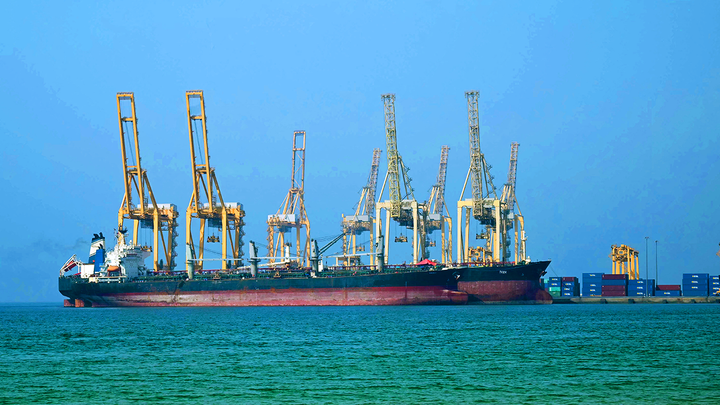
Iran has publicly stated that the waterway remains open but has warned that ships tied to U.S. or Israeli interests may not be allowed safe passage.
The escalating tensions come as the administration of Donald Trump continues its broader strategy of combining military pressure with economic measures aimed at weakening Iran’s ability to sustain the fight.
As the conflict intensifies and global markets watch closely, the Strait of Hormuz remains one of the most critical flashpoints — where military confrontation and economic warfare could collide in ways that impact energy prices and shipping worldwide.