In a decisive move to confront America’s escalating housing affordability crisis, the Trump administration has delivered a significant victory for homeowners and builders, dismantling a burdensome Obama-era mandate that was actively fueling skyrocketing property costs and suffocating the supply of affordable housing.
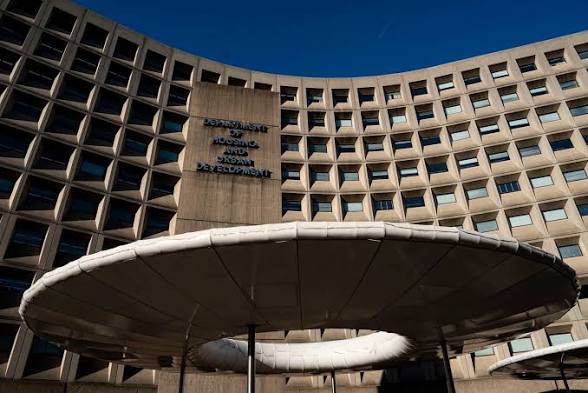
Led by the Department of Housing and Urban Development (HUD), the administration jointly rescinded a controversial policy that permitted third parties to lodge indefinite accessibility-related complaints over original building design flaws. This egregious regulation unfairly placed current property owners on the hook for millions in retrofits, often years after construction was completed, regardless of whether they were the original builders.

The impact of this bureaucratic overreach was staggering. Internal agency data reveals the previous policy forced property owners to cough up more than $112 million in accessibility retrofits over just five years to qualify for Federal Housing Administration (FHA) refinancing. HUD rightly identified these exorbitant costs as a direct chokehold on the nation's affordable housing supply.
Under the Trump administration's updated enforcement framework, the era of perpetual liability is over. The clock for filing Fair Housing Act design and construction challenges now begins precisely when a building receives its official certificate of occupancy, providing much-needed clarity and protection for property owners.
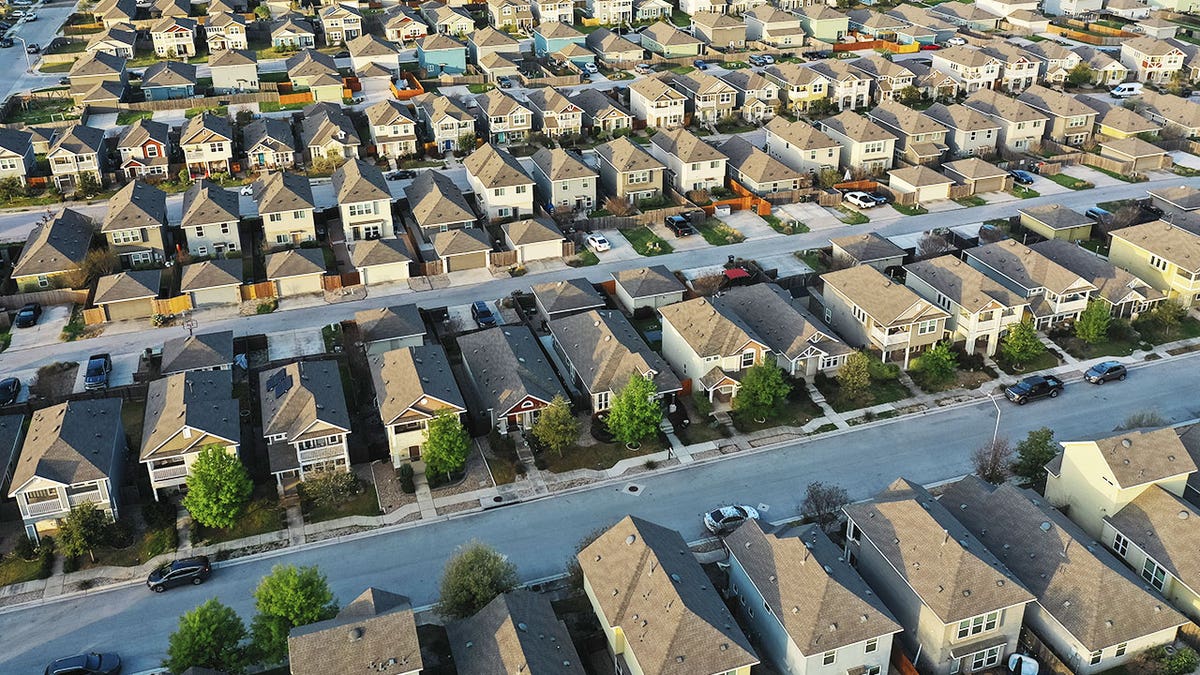
Individuals or advocacy groups now face a strict one-year deadline to file administrative complaints directly with HUD. For private civil lawsuits in federal court, claims are capped at two years from the completion of construction. Once these clear windows close, property owners are shielded from retroactive, building-wide liability for original architectural flaws, while individual tenants still retain their right to reasonable modifications for specific housing needs under existing protections.
The new guidance didn't mince words, declaring the Obama-era regulation "egregiously wrong." It highlighted how the policy "exceeded the Department’s statutory authority, failed to increase the supply of accessible housing for individuals with disabilities, and imposed an unwarranted and unduly prejudicial burden on American homebuilders." This is precisely the kind of sensible deregulation America needs.
The financial toll was not theoretical. Industry reports provided to HUD detailed how one third-party inspection firm alone identified nearly $49 million in required accessibility fixes across almost 500 refinance deals since 2019 – an average of over $100,000 in deficiencies per property. Furthermore, a major affordable multifamily lender reported losing over $1 billion in HUD-insured loan volume in just four years due to the uncertainty triggered by the old guidance, leading to recurring deal dropouts and discouraging FHA financing.
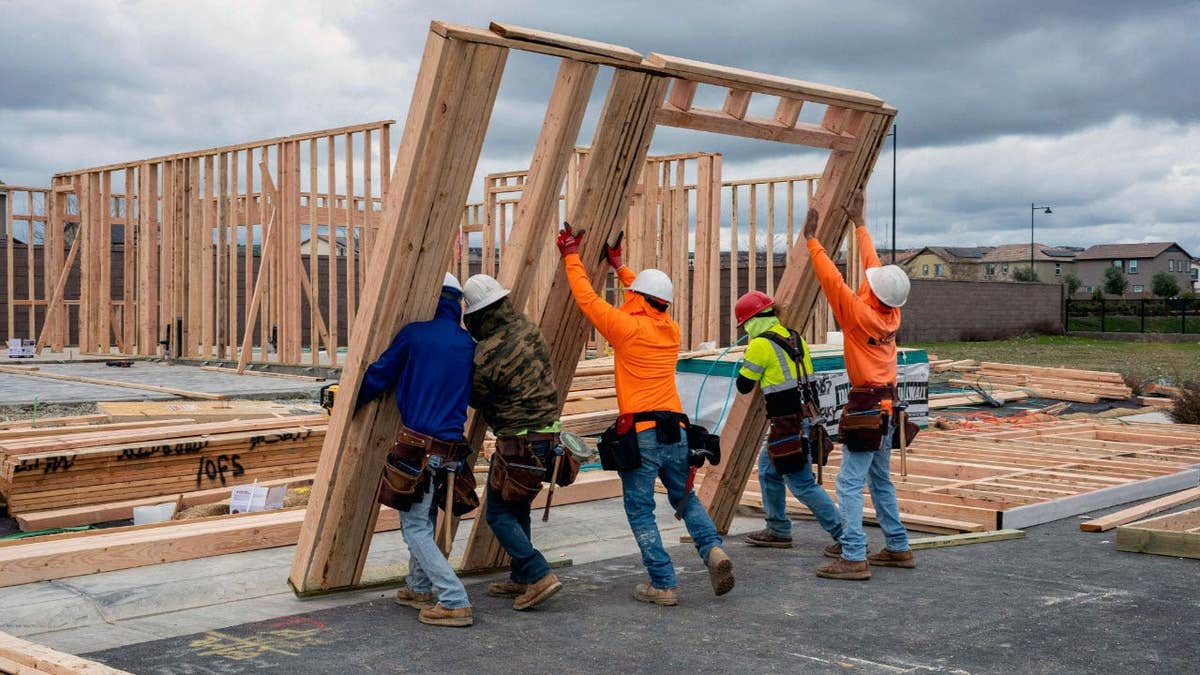
HUD Secretary Scott Turner powerfully articulated the administration's stance: "For too long, unnecessary government policies have contributed to the skyrocketing cost of building, buying, and renting a home. Today’s action rescinds unnecessary and expensive liability created by legal theories that have no basis in law." He affirmed, "The Trump Administration is following the law as written by Congress and interpreted by the courts. We will continue to repeal and replace guidance that does not honor these lawful commitments while ensuring Americans can access affordable housing."

This crucial rollback isn't just about cutting red tape; it's about restoring a fundamental legal principle: federal agencies do not have the authority to unilaterally rewrite laws passed by Congress or ignore federal court rulings. Congress explicitly wrote a strict one-year deadline into the Fair Housing Act in 1988, a mandate the Obama-era policy brazenly disregarded, allowing property owners to be targeted decades after project completion.
Assistant Secretary for Fair Housing and Equal Opportunity Craig Trainor underscored this point, stating, "Congress wrote a clear statute of limitations into the Fair Housing Act. That limitation is part of the law, not a suggestion for sly bureaucrats to disregard." He added, "We will not allow Obama-era guidance to rewrite the Fair Housing Act, expose American builders to indefinite legal liability, and make housing less affordable for hardworking American families." This is a clear message against the unelected bureaucrats who sought to undermine American prosperity.
By championing common sense and accountability over government overreach, the Trump administration is not only making housing more affordable for hardworking American families but also reaffirming the rule of law. This action is a testament to the America First commitment to unleash the economy, cut burdensome regulations, and deliver tangible results for citizens, ensuring that the dream of homeownership remains within reach rather than being stifled by an out-of-control bureaucracy.