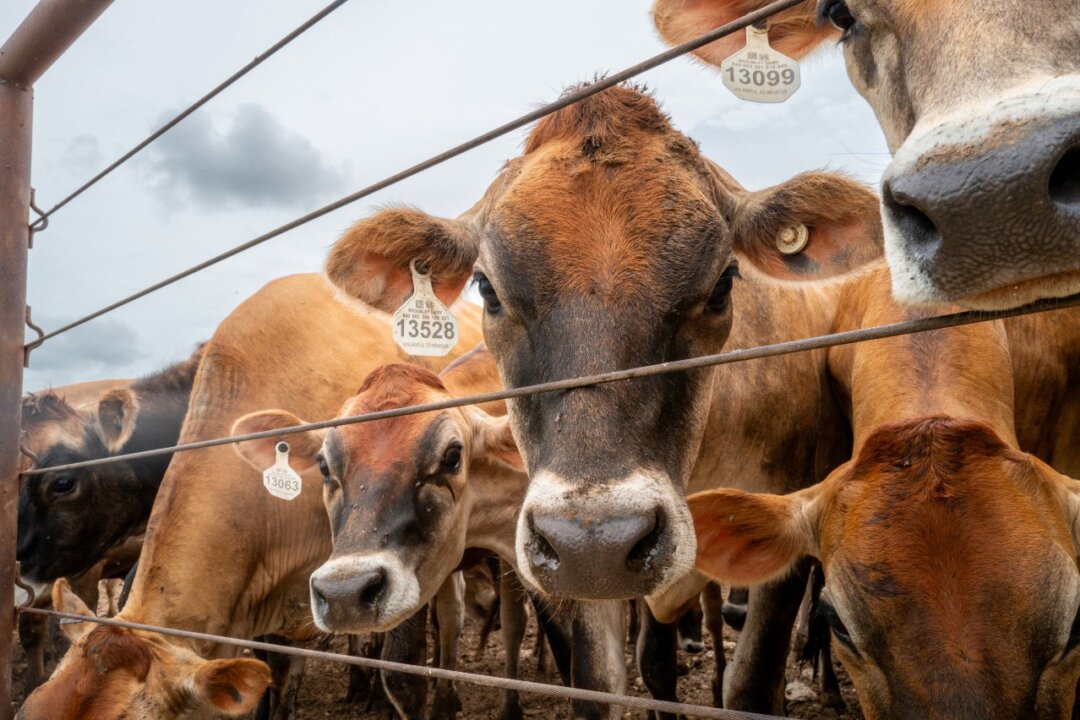
In a powerful move to bolster American agriculture and challenge entrenched corporate power, the Trump administration has unveiled a comprehensive package of initiatives aimed at rebuilding the nation's cattle herds, which have dwindled to their lowest levels in 75 years.
Agriculture Secretary Brooke Rollins on Monday announced the "Ranchers First Initiative," a multi-pronged approach featuring new insurance options for producers, targeted loans for smaller meat processors, and expanded disaster assistance for critical grazing lands. This bold strategy seeks to reverse a decades-long decline that saw the United States enter 2026 with a mere 86.2 million cattle and calves, a figure not seen since the early 1950s.
At the heart of the "Ranchers First" plan is a concerted effort to encourage ranchers to retain more young female cattle for breeding, a crucial step for long-term herd growth. The USDA will introduce a new Beef Retention and National Development (BRAND) endorsement under its Livestock Risk Protection insurance program. This innovative policy will allow ranchers to insure the economic value of keeping a heifer for breeding over a two-year period, covering the difference if the value of selling the animal for slaughter unexpectedly rises.
This pragmatic measure is designed to alleviate the significant financial risks ranchers face, empowering them to make decisions that prioritize the future of American beef production over short-term market pressures. Furthermore, the USDA will expand its Emergency Conservation Program for lands enrolled in the Grassland Conservation Reserve Program, ensuring that ranchers can more swiftly repair vital infrastructure like fences and water systems damaged by wildfires and other natural disasters, thereby mitigating long-term losses.
Beyond herd rebuilding, the administration is tackling the critical issue of market concentration within the meat industry. The USDA is launching a guaranteed-loan program under its Strengthening Processing for U.S. Ranchers (SPUR) initiative. These loans are specifically designed to foster the establishment of processor cooperatives, expand the operations of small processing businesses, and increase the diversity of livestock they can handle. This builds upon an earlier SPUR effort that allocated up to $500 million to support independent and regional beef slaughter facilities, directly challenging the chokehold a few major corporations have on the market.
Currently, a staggering 85 percent of U.S. beef processing is controlled by just four companies—Cargill, Tyson Foods, JBS USA, and National Beef Packing. This centralized power has long been a point of contention for American ranchers and consumers alike. The USDA's new Regional Processor Continuity Effort aims to strengthen regional operations, making the beef supply chain more resilient and less vulnerable to disruption by a handful of players. The department also plans to encourage federal and state institutions, including hospitals and prisons, to prioritize the purchase of locally processed American beef, boosting demand for domestic products.
President Donald Trump himself underscored the administration’s commitment to these vital reforms. In a direct message on Truth Social, President Trump declared his intention to authorize legal documents that would grant ranchers the fundamental right to process their own food, explicitly stating this move would help break up a “nasty monopoly” among the large meatpackers. This bold stance highlights the America First ethos of empowering individual producers and dismantling the corporate giants that too often exploit hardworking Americans. Under current federal food-safety laws, ranchers face significant hurdles in selling self-processed meat without using inspected facilities, a regulatory burden that many see as favoring large-scale operations.
However, the path to re-establishing American beef dominance is not without its complexities. While the administration champions long-term domestic growth, it also faced immediate pressures to address high beef prices for consumers. This led to a temporary measure where President Trump signed a proclamation to increase the import quota for lean beef trimmings by 300,000 metric tons for 90 days, beginning September 1. This short-term solution, while aimed at easing consumer costs, drew sharp opposition from American industry groups and farming advocates. These concerned voices rightly warned that even a temporary influx of cheaper foreign beef could inadvertently undermine the very long-term efforts to rebuild and secure America’s domestic cattle herds, highlighting a delicate balance the administration must continually navigate to truly put America First.
The Trump administration’s multifaceted approach signals a clear commitment to America’s ranchers, ensuring a robust domestic food supply and fiercely challenging the entrenched monopolies that have long stifled competition. This is more than just agricultural policy; it’s a crucial step towards economic independence, national security, and restoring faith in a system that champions hardworking Americans over globalist corporate interests.