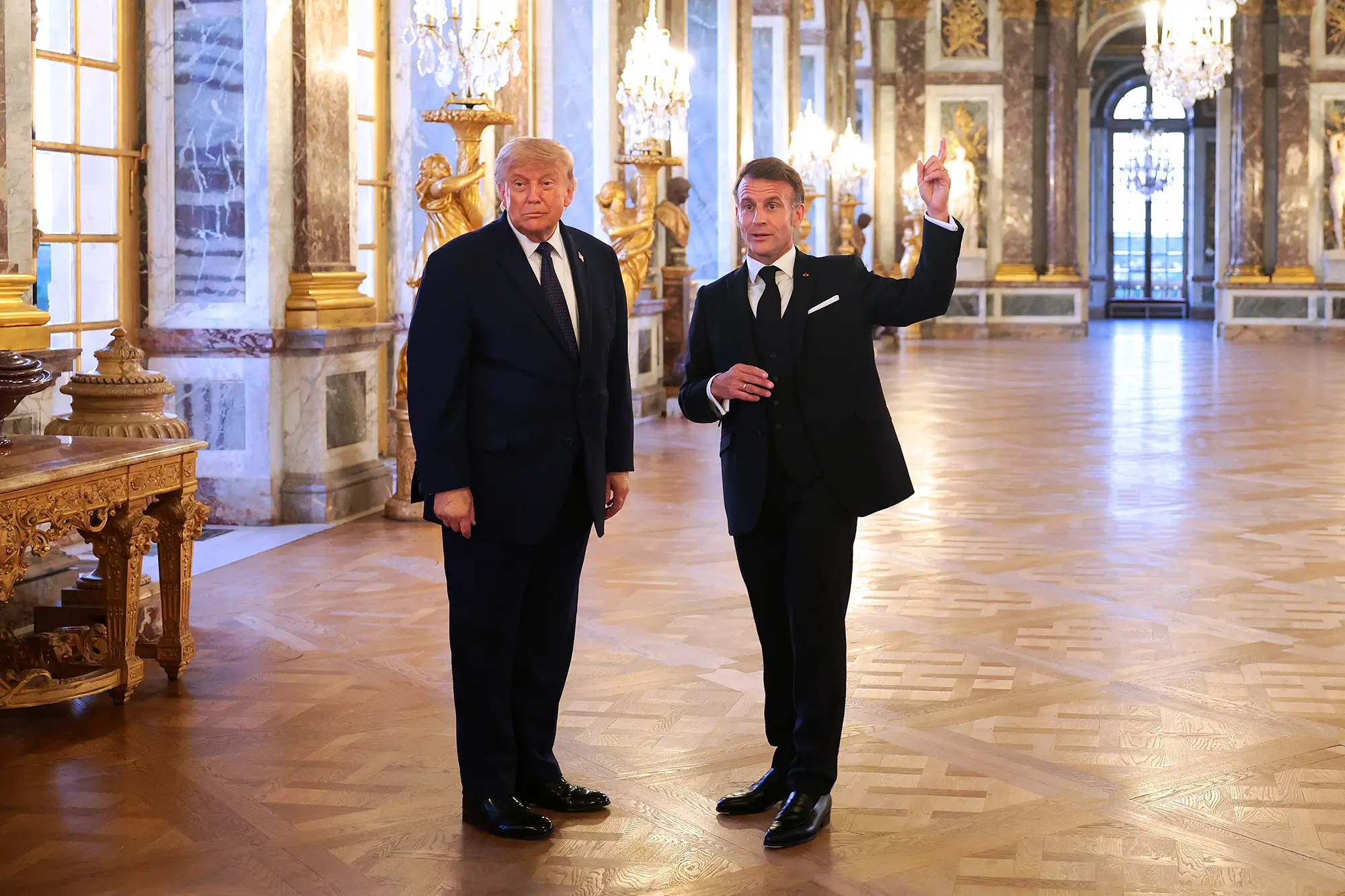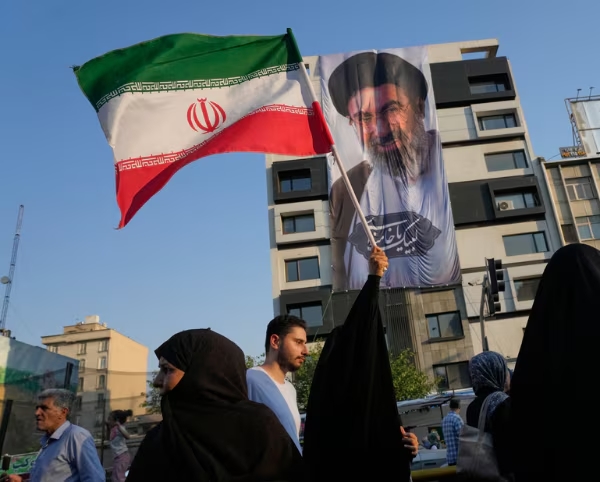
President Donald Trump confirmed Tuesday that his administration plans to move forward with releasing frozen Iranian assets as part of the developing agreement intended to end the U.S.-Iran conflict and establish conditions for renewed economic engagement.
Speaking on the sidelines of the G7 summit, Trump acknowledged that access to frozen Iranian funds would be included within a broader settlement framework designed to reduce tensions and reopen economic ties under negotiated terms.
According to reports on the developing agreement, the broader package could ultimately provide Iran’s government with economic benefits approaching $100 billion through a combination of released assets, sanctions relief, and renewed economic activity. At this stage, however, the exact amount that would become available immediately remains unclear.
The proposal appears to reflect a larger strategy focused on using negotiations and economic arrangements to move the conflict toward a formal resolution rather than prolonging instability.
At the same time, the size of the reported package has already sparked discussion among observers and supporters who are closely watching what conditions, enforcement measures, and long-term commitments would accompany any release of assets. As usual in international negotiations, the fine print suddenly becomes everyone’s favorite reading material.
For now, the agreement remains in development, and attention turns to how the final terms are structured and whether they achieve both stability and accountability moving forward.
Whatever shape the final deal takes, the coming negotiations will likely determine whether diplomacy can translate into a lasting outcome rather than another temporary pause.